
Photography Guide: Capturing Vineyard Weddings
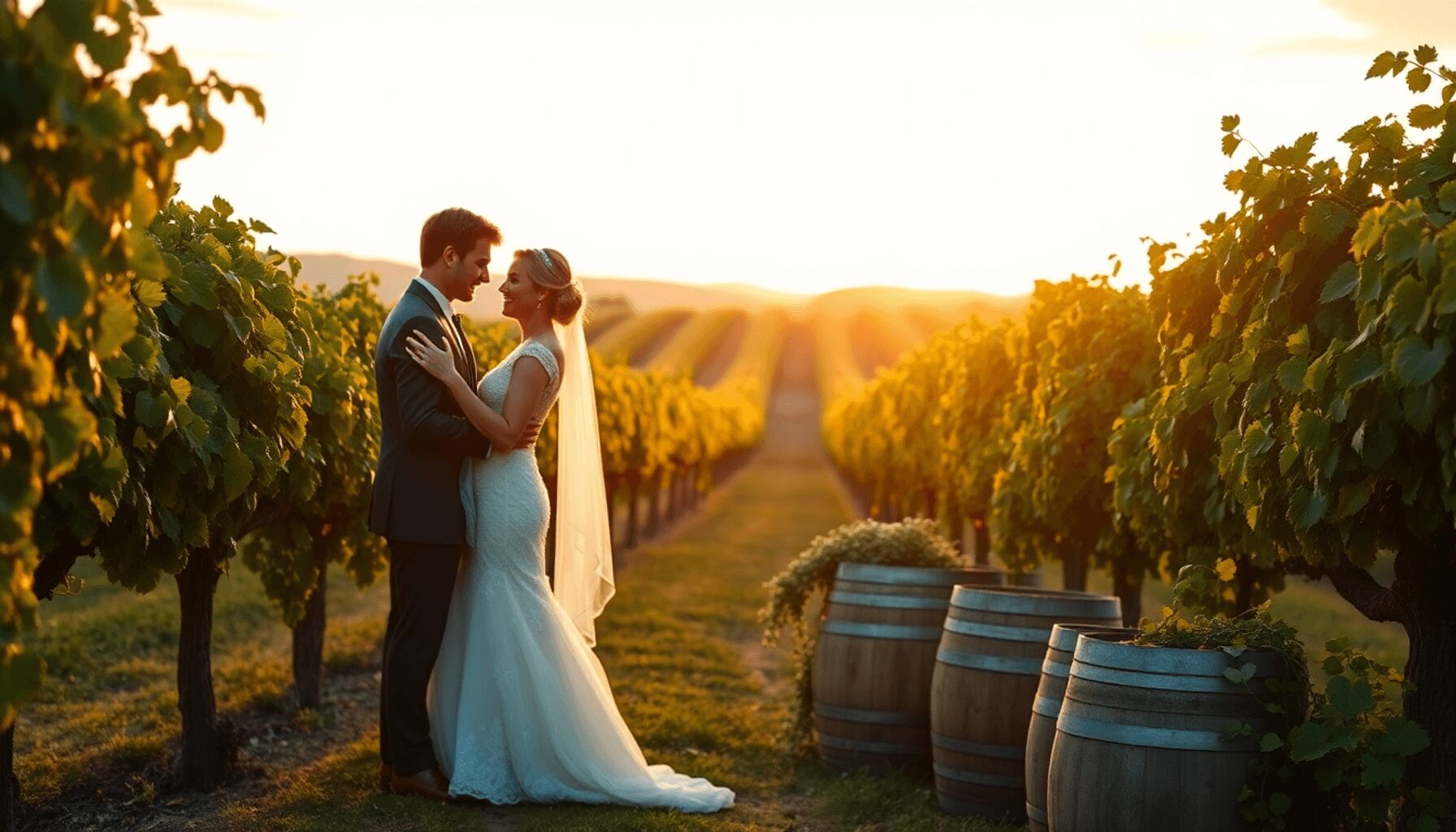
Vineyard weddings offer something truly special—rolling hills draped in grapevines, rustic architecture, and that unmistakable golden light filtering through the leaves. These romantic wedding settings create a photographer's paradise, but they also present unique challenges you need to master.
Capturing vineyard weddings isn't just about pointing your camera at pretty landscapes. You're telling a love story against a backdrop of natural beauty, where the environment becomes as important as the emotions unfolding before your lens. The textures of aged wine barrels, the warmth of sunset over endless rows of vines, and the intimate moments between couples—all these elements need to work together in your images.
This photography guide will walk you through the essential techniques for vineyard wedding photography. You'll learn how to work with challenging lighting conditions, compose shots that showcase both the couple and their stunning surroundings, and capture the authentic emotions that make these celebrations unforgettable. Whether you're shooting your first vineyard wedding or looking to refine your approach, you'll find practical strategies to elevate your work.
As you immerse yourself in this unique genre of photography, consider exploring some vineyard wedding venues like Domaine de Vavril where couples like Anaïs and Arthur have created beautiful memories. Their testimonial speaks volumes about the enchanting experience that these vineyard weddings offer.
Moreover, incorporating elements such as aged wine barrels or even using wine bottles as part of your decor can add a unique touch to the wedding. For instance, you could DIY customize wine bottles into vintage centerpieces for the reception.
And let's not forget about the wine itself! Capturing photos of couples enjoying a glass of Morgon, a powerful Beaujolais wine known for its cherry and licorice aromas, can create stunning visuals that encapsulate the essence of vineyard weddings.
Understanding Vineyard Wedding Venues
Vineyard wedding venues offer a distinctive blend of natural beauty and rustic elegance that sets them apart from traditional wedding locations. When you arrive at these properties, you'll immediately notice the defining characteristics:
- Rolling hills covered in meticulously maintained grapevines
- Stone pathways winding through the grounds
- Often Tuscan-inspired architecture featuring terracotta roofs, stucco walls, and arched doorways
These elements create a romantic Mediterranean atmosphere that translates beautifully in photographs.
Key Areas to Scout
The layout of vineyard wedding venues typically includes several key areas you'll need to scout before the ceremony begins:
- Ceremony Locations: Couples often exchange vows on panoramic decks that overlook rows of vines stretching toward distant mountains, or beneath open-air pavilions draped with flowing fabric and string lights.
- Reception Spaces: Reception spaces might feature exposed wooden beams, wine barrel bars, and long farmhouse tables that embody the rustic aesthetic.
- Backup Locations: You'll also encounter intimate garden spaces, fountain courtyards, and covered terraces that serve as backup locations or spots for cocktail hour.
Shaping Your Photography Approach
These venue features directly shape your photography approach:
- The expansive scenic vineyard views demand wide-angle shots that capture the full scope of the landscape.
- Architectural details like stone columns and wooden pergolas provide natural framing opportunities.
- Uneven terrain means you'll need to think strategically about your positioning and equipment stability.
- The open spaces allow for dramatic backlighting during golden hour, but they also present challenges during midday ceremonies when shade is limited.
Unique Experiences in Beaujolais
If you're looking for an exceptional reception venue in Beaujolais, consider exploring Domaine de Vavril, known for its luxurious wedding services and stunning surroundings. Additionally, the region offers unique experiences such as exploring Beaujolais before or after your wedding.
For those interested in wine, the vineyard's Côte-de-Brouilly is a must-try, known for its purple wine with aromas of iris and fresh grapes. And if you're considering a stay at these beautiful venues, you can find some great accommodation options.
Lastly, if you're captivated by the charm of historical properties, you might want to read about the passionate renovation of an 18th-century manor into a luxurious wedding venue at Domaine de Vavril.
Understanding these spatial dynamics before the wedding day helps you anticipate the best angles, identify potential obstacles, and plan your shot list around the venue's unique character.
Mastering Lighting Techniques in Vineyards
Golden hour photography transforms vineyard wedding images into something magical. The hour after sunrise and before sunset bathes the landscape in warm, amber light that complements the natural earth tones of grapevines and wooden structures. You'll find this soft, directional light creates flattering portraits with minimal shadows on your couple's faces. The low angle of the sun during golden hour adds dimension to the rolling hills and creates long, romantic shadows across the vineyard rows. I've consistently achieved my most stunning vineyard wedding shots during these precious windows of time.
However, midday sun presents challenges you need to address head-on. The harsh overhead light creates unflattering shadows under eyes and noses, washing out the rich colors that make vineyard settings so appealing. You can combat this by positioning a diffuser between the sun and your subjects to soften the light. Reflectors bounce light back into shadowed areas, filling in those harsh contrasts. When possible, move your couple into shaded areas beneath pergolas or between barrel storage buildings where the light becomes more manageable.
Backlighting techniques elevate your vineyard wedding photography to an artistic level. Position your couple between your camera and the sun to create a luminous halo effect around their silhouettes. This technique makes the grapevine leaves glow with translucent green and golden hues. You'll need to expose for your subjects' faces, which means slightly overexposing the background. The result? Dreamy images with enriched colors and an ethereal quality that captures the romance of natural lighting vineyard weddings.
To further enhance the experience, consider choosing wines that complement your wedding theme and guests' preferences. This not only adds a personal touch but also enriches the overall experience for everyone involved.
Moreover, if you're looking for an exclusive venue for your special day, why not take advantage of a long weekend wedding? Such an arrangement offers exclusivity, on-site accommodation, and more time to enjoy with loved ones.
Lastly, when it comes to selecting the perfect location for your nuptials in Beaujolais, here are 10 valuable tips to keep in mind. These insights can guide you in finding that dream wedding venue amidst the picturesque vineyards.
And if you're considering a more intimate celebration surrounded by friends and family, our Domaine de Vavril, located in the heart of French vineyards near Lyon, is available for rental. This luxurious family home offers not just a stunning backdrop for your wedding but also provides an opportunity for gastronomy and wine tasting experiences that you and your guests will cherish forever.
Composition Strategies for Vineyard Weddings
Your composition choices can transform a simple wedding photo into a breathtaking visual story. Vineyard settings, like the enchanting Domaine de Vavril, offer endless opportunities to create images that couples will treasure for decades.
1. Wide-Angle Lens Vineyard Photography
A wide-angle lens vineyard approach lets you capture the sweeping rows of grapevines stretching toward distant hills. You'll want to position your couple within these expansive scenes, allowing the landscape to frame their intimate moments naturally. Shooting at 24mm or wider creates dramatic perspectives that emphasize the grandeur of vineyard estates. You can place the couple in the foreground while showcasing the rolling terrain behind them, giving viewers a sense of place and scale.
2. Rule of Thirds Wedding Photography
The rule of thirds wedding photography technique becomes your best friend when balancing subjects against stunning backdrops. You'll divide your frame into nine equal sections using two horizontal and two vertical lines. Position your couple at the intersection points rather than dead center. This creates visual interest and allows the vineyard landscape to complement rather than compete with your subjects. When you place the horizon line along the top or bottom third, you give proper weight to either the sky or the vineyard rows.
3. Layered Compositions
Incorporating layers transforms flat images into dimensional masterpieces. You can shoot through grape leaves in the foreground, creating natural frames that add depth to your portraits. Wine barrels positioned strategically between your camera and the couple introduce texture and context. Wooden arbors, trailing vines, and rustic fencing all serve as layering elements that guide the viewer's eye through your photograph while telling the vineyard's story.
These strategies not only enhance your photography but also align perfectly with creating an unforgettable experience for couples like Méline and Edouard, who had their dream wedding at Domaine de Vavril featuring a breathtaking view and an unforgettable ceremony, as detailed in their testimonial.
Moreover, incorporating local elements such as wine from Beaujolais region can add a unique touch to weddings, as suggested in these 10 tips for a successful wedding cocktail which emphasize a rustic and bohemian style amidst vineyards.
And let's not forget about the exquisite wines produced in this region, such as the Chardonnay Blanc, known for its rare citrus and peach aromas which could be a delightful addition to any wedding celebration.
Capturing Detailed Shots That Tell a Story
Wedding detail shots can elevate your vineyard wedding portfolio from good to extraordinary. Look for textures that reflect the rustic elegance of the setting—burlap table runners, delicate lace overlays on invitations, and aged wine barrels used as cocktail tables. These elements create texture photography wedding images that viewers can almost feel through the screen.
Get Close with Your Macro Lens
Use your macro lens to get really close to the details. Capture the following:
- The grain of weathered wood signs displaying the couple's names
- The intricate beading on a bride's veil catching afternoon light
- The rough texture of grapevine wreaths adorning ceremony chairs
These shots add warmth and tactile quality to your storytelling.
Personalize Your Shots with Wedding Elements
Personalized wedding elements deserve special attention in your shot list:
- Engraved wine glasses with the couple's initials and wedding date
- Custom wine bottle labels featuring engagement photos
- Hand-calligraphed place cards nestled among grape clusters
- Wedding rings positioned on cork stoppers or vintage wine keys
Capture Intimate Moments
You'll want to photograph intertwined hands holding wine glasses during toasts—these intimate moments connect the couple to the vineyard setting while conveying genuine emotion. Position yourself to capture the bride's fingers tracing details on her bouquet wrapped with her grandmother's handkerchief, or the groom adjusting his cufflinks engraved with coordinates of the vineyard where he proposed. These details become emotional anchors that help couples relive their day for years to come.
Enhance Your Portfolio with Unique Accommodations
Incorporating L'Appartement des Vignes au Domaine de Vavril, a refined accommodation ideal for witnesses, friends or family, into your portfolio can also enhance its appeal. The unique charm of such places adds a personal touch and an extra layer of storytelling to your photographs.
Enrich Your Narrative with Local Traditions
Moreover, understanding the 2007 vendanges qui durent en Beaujolais can provide you with valuable insights into local traditions and practices, enriching your narrative further.
Add Exclusivity with High-Quality Wines
Lastly, capturing moments involving Les Perles de Vavril, a high-quality sparkling white wine produced using traditional methods from Beaujolais, can add an exclusive touch to your collection. Such innovative products like Rosé de Vavril mousseux or Chardonnay blanc du Beaujolais can also serve as excellent subjects for your detailed shots.
Essential Equipment for Vineyard Wedding Photography
Your photography gear for vineyard weddings needs to match the unique demands of these outdoor venues. The vineyard terrain presents challenges you won't encounter in traditional indoor settings, and your equipment choices directly impact your ability to capture those stunning moments.
1. Monopod for Stability on Uneven Ground
A sturdy monopod becomes your best friend when navigating vineyard slopes and uneven ground. You'll find yourself shooting on hillsides, gravel paths, and grass-covered areas where a traditional tripod feels cumbersome. The monopod use in vineyards gives you stability without sacrificing mobility—you can quickly reposition for that perfect angle during the ceremony or reception without missing critical moments.
2. Wide Aperture Lenses for Breathtaking Shots
Wide aperture lenses wedding photography transforms your vineyard shots from good to breathtaking. Lenses with f/2.8 or wider apertures create that dreamy bokeh effect you need to isolate couples against the sprawling vineyard backdrop. The shallow depth of field draws attention to your subjects while the rows of vines blur into artistic background elements. I recommend having at least one prime lens in your bag—a 50mm f/1.8 or 85mm f/1.4 delivers exceptional results in vineyard settings.
3. Backup Equipment for Peace of Mind
Your backup equipment matters just as much as your primary gear:
- Extra batteries (vineyard shoots often last 8+ hours)
- Multiple memory cards (64GB minimum capacity each)
- Second camera body
- Lens cleaning kit (dust and pollen are constant companions)
While capturing those beautiful moments, don't forget about the venue's unique charm, like the exclusive decoration kit at Domaine de Vavril, which adds a personal touch to the wedding setup. This venue has been a popular choice for many couples, as seen in Clara and Quentin's story who had their wedding there amidst its breathtaking scenery.
If you're looking for an ideal location for a rustic chic wedding, Domaine de Vavril in the Beaujolais wine region is highly recommended.
To truly encapsulate the essence of vineyard weddings, it's crucial to understand how to leverage the unique autumn landscapes during this season. For some insightful tips on this topic, refer to this comprehensive guide on capturing the romance of vineyard weddings in autumn landscapes.
Additionally, having a well-rounded photography kit can significantly enhance your shooting experience and output quality. For a detailed understanding of what should be included in your wedding photography kit list, make sure to check out this resourceful article.
Capturing Genuine Emotional Moments at Vineyard Weddings
Vineyard weddings create a relaxed atmosphere where authentic emotions naturally surface. Your role as a photographer is to anticipate and capture these unscripted moments wedding celebrations are built upon. Position yourself strategically during key events—toasts, first dances, and family reunions—where emotional connection photos emerge organically.
Anticipation beats reaction when it comes to candid wedding photography. Watch for subtle cues: a father's eyes welling up before walking his daughter down the aisle, bridesmaids sharing a private laugh while adjusting their dresses among the vines, or the couple stealing a quiet moment between the ceremony and reception. These fleeting interactions tell the real story.
Building rapport with your couples before the wedding day transforms your ability to capture natural expressions. I schedule engagement sessions at the vineyard venue when possible, allowing couples to feel comfortable with my presence and shooting style. This familiarity means they'll forget about the camera during their actual wedding day.
You need to blend into the background while staying alert. Use a longer lens (70-200mm) to capture intimate moments without intruding on personal space. Keep your camera at eye level and ready—genuine laughter during toasts or tearful embraces happen in seconds. The vineyard setting amplifies these emotions, with golden light filtering through grape leaves creating the perfect backdrop for authentic storytelling through your Photography Guide: Capturing Vineyard Weddings approach.
Post-Processing Tips for Vineyard Wedding Photos
Post-editing vineyard photos requires a delicate balance between enhancement and authenticity. You want to amplify the natural warmth of the setting without creating an artificial look that detracts from the venue's organic beauty.
Adjusting White Balance and Saturation
Start by adjusting your white balance to emphasize those golden and amber tones inherent to vineyard settings. This initial step is crucial, as it sets the foundation for the entire editing process. You might want to follow some recommended steps when editing a photo which typically include color correcting, adjusting the white balance, etc. Boost the warmth slider slightly while pulling back on any excessive yellows that might make skin tones appear unnatural. I've found that increasing the orange and yellow saturation by 10-15% brings out the richness of the landscape without oversaturating the image.
Enhancing Warm Tones
Warm tones editing works best when you:
- Enhance the luminance of warm colors to create that sun-kissed glow
- Adjust the HSL sliders to deepen earthy browns and greens
- Keep highlights from blowing out in bright outdoor scenes
- Preserve shadow detail in darker areas like wine cellars or barrel rooms
Creating a Timeless Look with Matte Finish
Matte finish photography adds a romantic, timeless quality to vineyard wedding images. You can achieve this by lifting the blacks slightly and pulling down the highlights, creating that signature flat contrast curve. This technique softens the overall look while maintaining detail, much like creating a vintage look using Lightroom.
Drawing Attention with Subtle Vignettes
Subtle vignettes draw attention to your subjects without feeling heavy-handed. Apply them at 15-20% opacity, feathering the edges generously. Light flares, when used sparingly, can mimic natural sun rays filtering through grapevines, adding an ethereal quality to your compositions.
Showcasing Popular Vineyard Wedding Venues Through Photography
Each vineyard venue has its own unique architectural features and natural elements that deserve special attention in photography. By understanding these characteristics, you can create images that truly capture the essence of the location.
BR Cohn Winery Photography
BR Cohn Winery in Sonoma Valley offers photographers a wealth of visual opportunities with its expansive decks overlooking rows of grapevines. To make the most of this setting, position couples at the edge of the deck during late afternoon when the sun casts long shadows across the vines, creating dramatic leading lines. The property's beautifully landscaped grounds feature mature oak trees and manicured gardens that provide natural framing elements. I recommend capturing wide shots that show the connection between the ceremony space and the surrounding vineyards, then moving in closer for intimate portraits beneath the ancient oaks.
Montaluce Winery Photoshoot Ideas
Montaluce Winery's Tuscan-inspired architecture requires a different approach to photographing notable vineyard venues. The stone facades, arched doorways, and terra cotta roofing tiles exude Mediterranean elegance in the North Georgia mountains. Look for interesting compositions by shooting through the architectural arches, using them as natural frames for your subjects. The venue's elevated position offers sweeping mountain views that make for stunning backdrops during ceremonies. Don't forget to capture detail shots of the wrought iron fixtures and stone textures that define the property's character.
Leveraging Venue-Specific Charm
Your photo storytelling becomes more powerful when you identify and emphasize what makes each location distinctive. Scout the venue beforehand to locate signature spots—whether that's a specific overlook, a unique architectural detail, or a particularly photogenic section of vineyard. These location-specific images create a sense of place that generic vineyard shots cannot achieve.
Conclusion
Creating timeless vineyard wedding photos requires you to balance your technical expertise with artistic interpretation. You've learned how lighting, composition, and equipment choices work together to capture the romance of these venues. The real magic happens when you combine these skills with genuine storytelling through photography vineyards offer naturally.
Your success in vineyard wedding photography depends on three core elements:
- Technical mastery – controlling exposure, focus, and composition in challenging outdoor conditions
- Creative vision – seeing unique angles and moments others might miss
- Emotional connection – building trust with couples to capture authentic moments
You need to approach each vineyard wedding as a unique narrative waiting to unfold. The rolling hills, rustic details, and golden light provide your canvas. Your camera becomes the tool that preserves these fleeting moments into cherished memories.
This guide has equipped you with practical strategies to elevate your work. You're ready to create images that couples will treasure for generations, blending the natural beauty of vineyards with the raw emotion of their special day.
FAQs (Frequently Asked Questions)
What makes vineyard weddings unique and romantic settings for photography?
Vineyard weddings offer rolling landscapes, Tuscan-inspired architecture, and scenic views that create a romantic and unique backdrop. Capturing both the environment and genuine emotions in these settings highlights the special atmosphere of vineyard weddings.
How can I master lighting techniques for vineyard wedding photography?
Shooting during the golden hour provides warm, soft portraits ideal for vineyard settings. Managing harsh midday light with diffusers or reflectors maintains image quality, while backlighting techniques create halo effects and enrich colors, enhancing the romantic feel of vineyard wedding photos.
What composition strategies work best for capturing vineyard weddings?
Using wide-angle lenses captures expansive vineyard scenes, applying the Rule of Thirds balances subjects with stunning landscapes, and incorporating layers such as leaves and wine barrels adds depth and texture to your images, effectively showcasing the beauty of vineyard venues.
Which detailed shots help tell a compelling story at vineyard weddings?
Photographing textures like burlap, lace, and aged wood conveys warmth, while focusing on personalized items such as engraved glasses or intertwined hands adds emotional depth. These details enrich your storytelling by highlighting intimate elements unique to each wedding.
What essential equipment should I bring for vineyard wedding photography?
A sturdy monopod ensures stability on uneven terrain common in vineyards. Wide aperture lenses (e.g., f/2.8) enable dreamy portraits with shallow depth of field. Additionally, carrying backup batteries and memory cards is crucial to capture spontaneous moments reliably during dynamic shoots.
How can post-processing enhance vineyard wedding photographs?
Enhancing warm golden tones and earthy hues while maintaining a natural look reflects the true beauty of vineyards. Experimenting with vignettes, matte finishes, and light flares can further elevate images, adding artistic touches that complement the romantic vineyard setting.