
Weather Patterns in Beaujolais Region
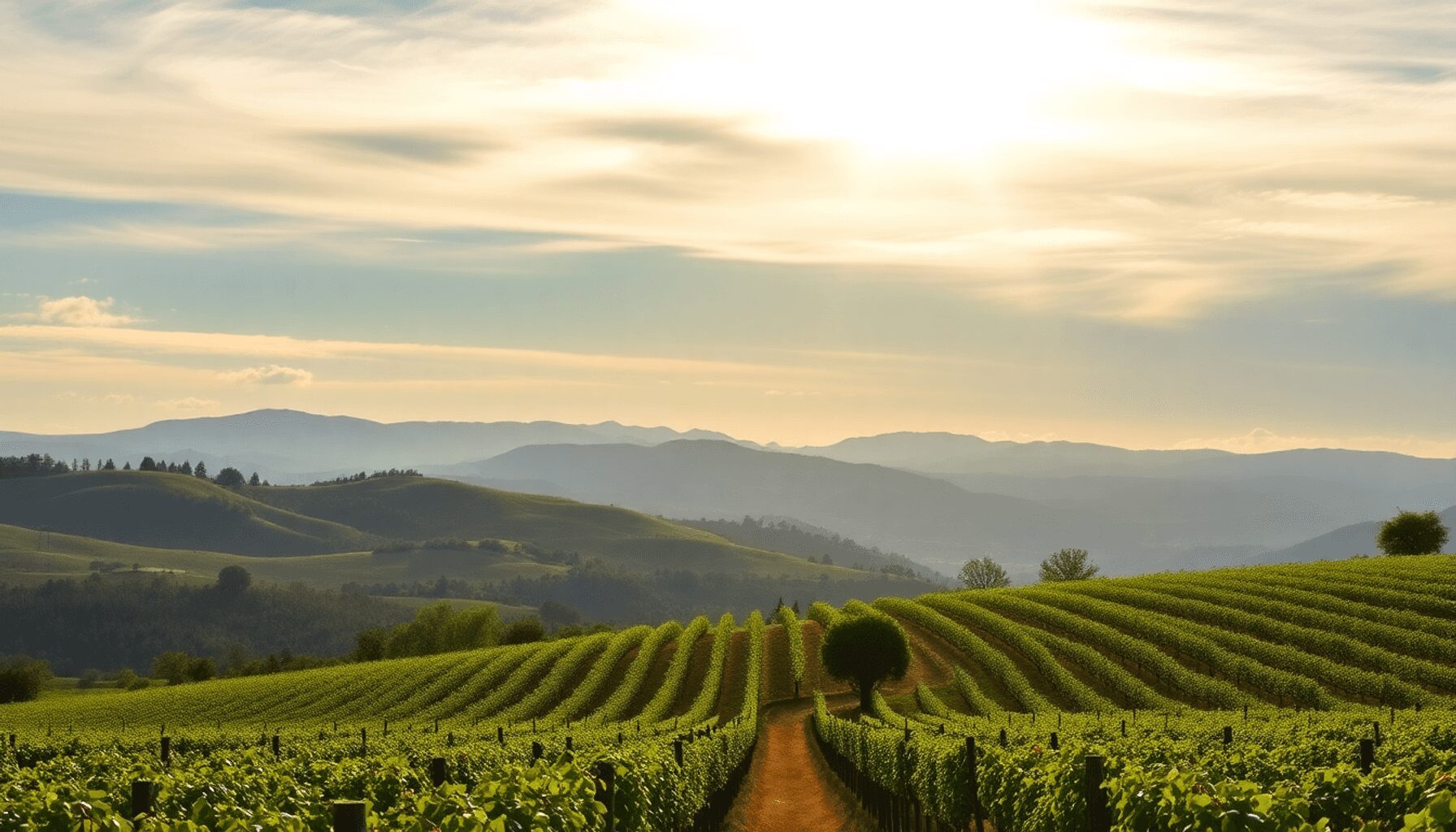
Nestled in eastern France, the Beaujolais region stretches across rolling hills between Burgundy to the north and Lyon to the south. This picturesque wine-producing area spans approximately 34 miles and encompasses 96 villages dedicated to viticulture. The region's reputation is built on its distinctive Gamay grape, which thrives in the unique conditions created by the Beaujolais region climate.
The weather patterns Beaujolais experiences directly influence every bottle produced here. From the light, fruity Beaujolais Nouveau released each November to the complex, age-worthy Cru wines from the northern hills, climate shapes it all. The continental climate France delivers to this region creates distinct seasonal variations—warm summers encourage grape ripening while cool winters allow vines their necessary dormancy. These patterns don't just affect yield; they determine acidity levels, tannin structure, and aromatic profiles that make Beaujolais wines recognizable worldwide.
Understanding weather patterns in Beaujolais region means understanding the soul of these wines. Moreover, this enchanting region is not just about wine; it's also a beautiful destination for weddings and events. For instance, Anaïs and Arthur's wedding at Domaine de Vavril showcases how the scenic beauty of Beaujolais can enhance such special occasions.
In addition to its wine and wedding venues, Beaujolais also offers a unique opportunity for personalized experiences like DIY customization of wine bottles. This trend allows visitors to recycle their wine bottles into vintage centerpieces for events such as Christmas or weddings.
If you're considering a visit and need accommodation, there are several options available in the region. You can explore some of these here. The charm of Beaujolais extends beyond its vineyards and into its hospitality industry, making it a truly remarkable destination.
Understanding the Continental Climate of Beaujolais
The Beaujolais region, renowned for its wine production, experiences distinct continental climate features that shape its winemaking identity. The area is characterized by warm summers with temperatures regularly reaching 25-30°C (77-86°F), followed by cold winters that can drop below freezing. This dramatic swing between seasons creates the foundation for the region's viticultural character.
Warm Growing Seasons
Warm growing seasons typically span from April through October, providing grapevines with the extended sunshine hours they need for optimal photosynthesis and sugar development. The summer heat accelerates grape maturation, allowing the predominantly Gamay grapes to develop their characteristic bright fruit flavors. You can expect average July temperatures hovering around 20-22°C (68-72°F), ideal for steady ripening without excessive stress on the vines.
However, the charm of Beaujolais extends beyond its winemaking. The region's unique climate also contributes to its stunning landscapes and historical architecture. For instance, the Domaine de Vavril, a renovated 18th-century manor in Beaujolais, now serves as a luxurious wedding venue and family retreat. This renovation has transformed the estate into a beautiful location that reflects the region's rich history and natural beauty.
Temperature Variability
Temperature variability plays a significant role in shaping vineyard conditions throughout the year. The cold winter months force vines into dormancy, a critical rest period that allows them to conserve energy for the upcoming growing season. Spring brings gradual warming, triggering bud break typically in early April. You'll notice that this timing makes Beaujolais' vineyards particularly susceptible to climate influences, which can affect both quantity and quality of grape yield.
As we delve deeper into understanding how these climatic factors influence not just the vineyards but also grape characteristics and wine outcomes, it becomes evident that the interplay between climate and viticulture is intricate and profound.
Geographic Influences on Beaujolais Weather Patterns
The Beaujolais region sits in a strategic position within eastern France, nestled south of Burgundy and northwest of Lyon. This Beaujolais geography creates a natural corridor where multiple climatic forces converge, shaping the distinctive weather patterns that define the region's viticulture.
The Influence of Massif Central
Two major mountain ranges act as protective barriers and climate moderators for Beaujolais vineyards. The Massif Central influence comes from the west, where this ancient volcanic plateau shields the region from Atlantic weather systems. You'll find that these mountains intercept moisture-laden winds, reducing rainfall in Beaujolais and creating a rain shadow effect that benefits grape cultivation. The western hills of the region experience slightly different conditions compared to the eastern slopes, with elevation changes of up to 500 meters creating varied exposure to these weather patterns.
The Impact of the Alps
The Alps climate impact manifests differently, as this towering range to the east blocks cold continental air masses from sweeping directly across the vineyards. The Alps create a buffer zone that moderates extreme temperature fluctuations, though cold air can still funnel through valleys during winter months. This eastern protection allows Beaujolais to maintain warmer temperatures than you might expect at this latitude.
The Role of Saône River Valley
The Saône River valley running along the eastern edge of Beaujolais adds another geographic element to local weather patterns. This low-lying corridor channels both warm and cool air through the region, creating thermal currents that affect vineyard microclimates. The combination of mountainous terrain, river valleys, and strategic positioning between major geographic features produces the complex weather patterns that make Beaujolais viticulture both challenging and rewarding.
These unique geographical and climatic conditions not only produce exceptional wines but also create a stunning backdrop for significant life events such as weddings. If you're considering hosting your wedding in this picturesque region, it's essential to know how to choose the right wines for your marriage, which can greatly enhance your celebration.
Moreover, finding the ideal venue is crucial for a successful wedding. With its breathtaking landscapes and renowned vineyards, Beaujolais offers numerous options. Here are 10 tips for selecting your dream wedding venue in Beaujolais that can help streamline your planning process.
For those who have opted for a wedding at a vineyard, like the Domaine de Vavril, their experiences can provide valuable insights into making your special day memorable.
Seasonal Weather Trends and Their Effects on Viticulture in Beaujolais
The weather during the growing season in Beaujolais follows a predictable pattern that directly influences the success of winemaking in the region.
Spring: Budbreak and Flowering
Spring arrives with moderate temperatures that encourage budbreak, typically occurring in April when the risk of devastating frosts begins to diminish. You'll find that May and June bring increasing warmth, setting the stage for flowering—a critical period where stable weather determines the eventual crop size.
Summer: Grape Development
Summer months deliver the warmth necessary for grape development, with July and August temperatures regularly reaching 25-30°C (77-86°F) during the day.
Autumn: Harvest Conditions
The harvest weather conditions that define September and October showcase one of Beaujolais' most valuable assets: significant diurnal temperature variation. These temperature swings vineyards experience—warm days followed by cool nights dropping to 10-15°C (50-59°F)—create ideal conditions for maintaining natural acidity while sugars accumulate in the grapes.
The Weather Patterns in Beaujolais Region during harvest time prove particularly influential for Gamay grapes. Cool nights preserve the fresh, vibrant fruit character that defines the region
Case Studies: Recent Vintages Highlighting the Impact of Weather on Wine Quality in Beaujolais
2019 Vintage: Weather Challenges and Mixed Results
The 2019 vintage Beaujolais weather presented significant challenges that tested even the most experienced vignerons:
- Spring arrived with devastating frost events that damaged early buds, reducing potential yields across the region.
- Temperatures swung wildly throughout the growing season, creating stress conditions that affected vine health.
- Summer brought intense heat waves interspersed with periods of excessive rainfall, leading to uneven ripening patterns.
- The combination of humidity and heat created ideal conditions for fungal diseases like mildew, forcing producers to work tirelessly in their vineyards to protect their crops.
- Harvest decisions became particularly difficult as growers balanced the need for physiological ripeness against the risk of losing fruit to disease or further weather complications.
The resulting wines from 2019 showed mixed quality levels—some producers who managed their vineyards meticulously crafted excellent wines with concentrated flavors, while others struggled with diluted fruit characteristics and lower alcohol levels.
2020 Vintage: Ideal Conditions and Remarkable Wines
In contrast, the 2020 vintage exceptional weather told a completely different story. You experienced near-perfect growing conditions that many producers described as a textbook vintage:
- The season started with a warm, dry spring that encouraged healthy flowering and fruit set.
- Summer delivered consistent dry heat that allowed grapes to ripen evenly without the stress of extreme temperature spikes.
- Strategic rainfall arrived at precisely the right moments, providing necessary hydration without compromising fruit concentration.
- Cool nights during the final weeks before harvest preserved crucial acidity levels while allowing phenolic ripeness to develop fully.
- The harvest period remained dry and stable, giving producers the luxury of picking each parcel at optimal maturity.
This careful management during such favorable conditions resulted in remarkable wines displaying vibrant fruit expression, structured tannins, and aging potential that exceeds typical expectations for the region.
A perfect example of this is Les Perles de Vavril, a high-quality sparkling white wine produced using traditional methods, reflecting the exceptional quality of 2020 vintage. Furthermore, producers like Vavril are also known for their innovative products such as their sparkling rosé and Chardonnay from Beaujolais which embody freshness and quality.
You can taste the difference between these vintages immediately—2020 wines show depth, precision, and harmony that reflect the exceptional weather conditions while also showcasing the innovative spirit of local producers.
Exploring Microclimates Within the Beaujolais Region and Their Influence on Wine Style
The Beaujolais region spans approximately 34 miles from north to south, and within this relatively compact area, you'll discover remarkable microclimate variations Beaujolais that dramatically shape wine character. The ten Cru appellations in the northern sector experience distinctly different conditions compared to the southern Beaujolais and Beaujolais-Villages zones.
Northern Crus: Granite-Driven Elegance
The northern appellations—Morgon, Moulin-à-Vent, Fleurie, and their neighbors—sit on steep, granite-rich hillsides that create their own weather patterns. These elevated sites benefit from:
- Enhanced sun exposure on south-facing slopes
- Superior drainage that prevents waterlogging during heavy rains
- Cooler nighttime temperatures that preserve acidity
- Granite soils that reflect heat back to the vines during the day
Southern Beaujolais: Clay and Sandstone Influence
You'll find a different story in the southern sections where local weather effects vineyards differently. The flatter terrain with clay and sandstone soils retains more moisture and experiences:
- Warmer daytime temperatures with less elevation-driven cooling
- Greater risk of frost in low-lying areas during spring
- Heavier soils that slow ripening and produce lighter-bodied wines
These geological and topographical differences create wines ranging from the structured, age-worthy expressions of Morgon to the fresh, approachable styles typical of basic Beaujolais appellations.
In addition to its renowned wines, the Beaujolais region also offers stunning venues for special events. For instance, Le Domaine de Vavril, a magnificent 18th-century manor in the heart of the Beaujolais wine region, is considered one of the best places to get married in France. This venue not only provides a rustic chic setting but also allows couples to immerse themselves in the rich wine culture of the region.
Furthermore, each vintage brings its unique characteristics to the wines produced. A prime example is the 2007 vintage, which was marked by an extended harvest period in Beaujeu. This patience during harvesting resulted in a millésime with a character unlike any other.
Lastly, for those looking to add a personal touch to their events held within this picturesque region, Domaine de Vavril has launched a decoration kit. This kit is designed to help couples create a unique, subtle and refined decoration for their wedding tables that truly represents their personality.
The Role of Weather in Distinguishing Between Beaujolais Nouveau and Cru Wines
Weather Patterns in Beaujolais Region create distinct opportunities for two very different wine styles.
How Weather Affects Beaujolais Nouveau
The Beaujolais Nouveau climate needs center around consistent warmth during the growing season. These conditions produce grapes with immediate drinkability—high in fresh fruit character and low in harsh tannins.
- The warm, steady temperatures allow for carbonic maceration, a technique that extracts vibrant berry flavors while keeping the wine structure light and approachable.
- You need predictable heat without extreme fluctuations to achieve the soft, juicy profile that defines Nouveau wines released just weeks after harvest.
The Impact of Microclimates on Cru Wines
Cru wines microclimate impact tells a completely different story. You're looking at ten distinct Cru appellations where localized weather patterns shape complex, age-worthy wines.
- The northern Crus like Morgon and Morgon benefit from cooler evening temperatures that slow ripening, allowing grapes to develop deeper flavors and firmer tannins.
- You'll notice how these wines require more nuanced weather conditions—warm days for sugar development paired with cool nights for acidity retention.
Temperature Variations Across Cru Sites
The elevation differences across Cru sites create temperature variations of several degrees. You can taste this variation in the glass:
- Saint-Amour's lighter body reflects its warmer, lower-elevation sites
- Chénas produces more structured wines from its cooler, higher vineyards
These weather-driven differences give each Cru its distinctive personality.
Conclusion
The weather in the Beaujolais region creates a constantly changing environment where winemakers must adapt to nature's unpredictability while also taking advantage of favorable conditions. We've seen how the continental climate brings warm growing seasons that perfectly ripen Gamay grapes, but these same weather patterns also pose risks such as frost, hailstorms, and drought that challenge even the most experienced winemakers.
Success in Beaujolais depends on understanding microclimates, quickly responding to seasonal changes, and making strategic decisions during critical growth periods. When the weather is on their side, winemakers can produce exceptional vintages like 2020 with balanced acidity and concentrated flavors. However, when faced with difficult conditions like in 2019, they must rely on their expertise to salvage quality.
This unpredictability isn't just a hurdle—it's what sets Beaujolais wines apart. Each vintage tells a story of the weather, showcasing the unique combination of sun, rain, and temperature that shapes the region's character. You can experience these variations in every sip, from the lighthearted Nouveau to the intricate Crus that mature beautifully over time.
FAQs (Frequently Asked Questions)
What are the key weather patterns in the Beaujolais region and how do they affect wine production?
The Beaujolais region experiences a continental climate characterized by warm growing seasons and significant temperature variability. These weather patterns play a crucial role in shaping the unique characteristics of its wines by influencing grapevine growth cycles and vineyard conditions.
How does the continental climate influence viticulture in Beaujolais?
Beaujolais' continental climate brings warm summers and cold winters, which impact grape development through seasonal temperature fluctuations. Warm growing seasons promote ripening, while cooler periods help preserve acidity, essential for balanced wines.
In what ways do geographic features like the Massif Central and Alps affect Beaujolais' weather?
Located south of Burgundy and northwest of Lyon, Beaujolais is influenced by nearby mountain ranges such as the Massif Central and Alps. These geographic features modify local climate by affecting temperature and rainfall patterns, creating diverse microclimates within the region.
How do seasonal weather trends impact grape ripening and harvest conditions in Beaujolais?
Typical spring to autumn trends include warm days and cool nights, especially during harvest. Such temperature swings aid in grape ripening and acidity preservation but also present challenges due to unpredictable weather during growing seasons that can stress vineyards.
Can you provide examples of recent vintages where weather significantly affected wine quality in Beaujolais?
The 2019 vintage was marked by stressful growing conditions with variable weather affecting grape health and wine quality negatively. In contrast, 2020 experienced ideal conditions with dry heat followed by rain and cooler temperatures, resulting in high-quality wines reflecting these favorable weather patterns.
How do microclimates within Beaujolais contribute to differences between Nouveau and Cru wines?
Microclimate variations shaped by terrain and soil types create distinct local weather effects on vineyards. Consistent warm harvests favor fresh, fruity Beaujolais Nouveau wines with soft tannins produced via carbonic maceration, while age-worthy Cru wines reflect complex microclimates leading to more nuanced styles.