
How to Coordinate Group Transportation for Rural Destination Events in France
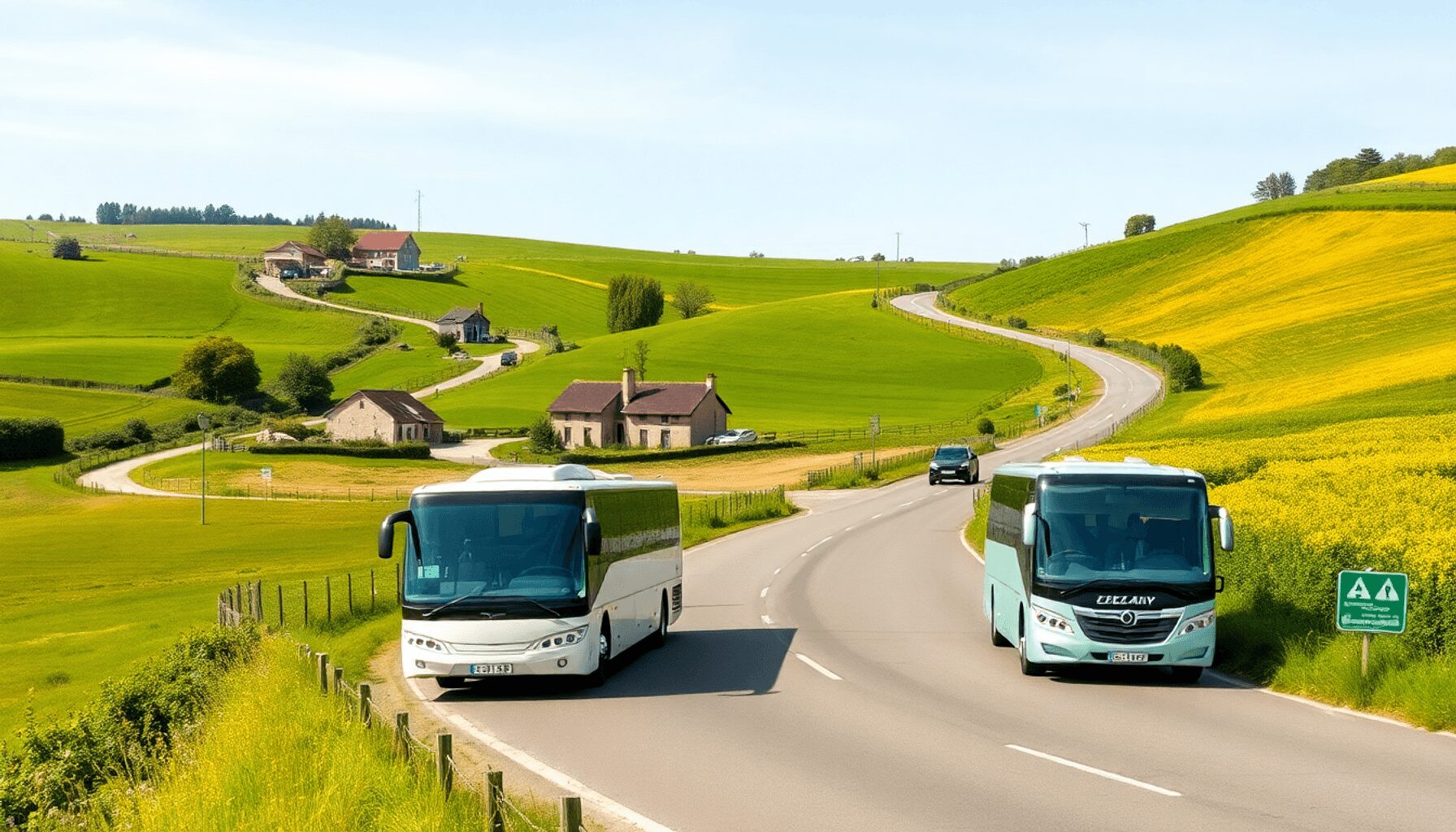
Planning group transportation for rural destination events in France requires careful attention to detail. You're not just moving people from one place to another—you're creating the first and last impression of your event experience. When your venue is located in the French countryside, away from major cities and transport networks, event logistics become significantly more complicated.
Rural locations have unique challenges that you won't face in urban areas. Limited public transit, winding country roads, and sparse infrastructure can turn simple transfers into logistical nightmares if you don't plan ahead. I've seen events struggle because organizers underestimated the complexity of moving groups through the French countryside.
This guide will show you how to coordinate group transportation for rural destination events in France. You'll discover practical strategies for selecting the right vehicles, working with local providers, managing costs, and ensuring every attendee arrives safely and on time. Whether you're organizing a corporate retreat in Provence or a wedding at a beautiful venue like the Domaine de Vavril in Beaujolais known for its exquisite Morgon wine or planning a rustic wedding similar to Anaïs and Arthur's at this very domain, these insights will help you master the transportation puzzle.
Additionally, if you're thinking about adding a personal touch to your event like custom wine bottles for your guests, our DIY guide on how to recycle wine bottles into beautiful centerpieces could be a great resource.
Understanding Rural Destination Accessibility in France
Rural France presents distinct logistical challenges that you need to understand before coordinating group transportation. These destinations often sit nestled in regions like Provence, the Loire Valley, or the Dordogne—areas celebrated for their charm but notorious for their distance from major infrastructure.
Identifying Your Nearest Transport Hubs
Identifying your nearest transport hubs becomes your first critical task. You'll typically work with airports such as Lyon-Saint Exupéry, Toulouse-Blagnac, or smaller regional airports like Bergerac. Train stations in cities like Avignon, Tours, or Bordeaux serve as alternative entry points. The reality? Your event venue might be 60-90 minutes from these hubs, sometimes more.
Understanding Road Conditions
Road conditions in rural France vary dramatically. You'll encounter:
- Narrow departmental roads (D-roads) that wind through villages
- Single-lane routes with limited passing opportunities
- Seasonal challenges like snow in mountainous regions or flooding in valleys
- Limited signage in remote areas
Calculating Travel Times
Travel times require careful calculation. A 50-kilometer journey doesn't translate to a quick 30-minute drive. You're looking at potentially double that time when navigating rural routes.
Navigating Public Transportation Challenges
The accessibility challenge intensifies with public transportation. Rural France operates minimal bus services—often just one or two daily routes serving local residents. Weekend services? Practically non-existent. This reality means you can't rely on public options as backup plans. Your group transportation strategy must be self-contained and thoroughly planned from the start.
However, once you overcome these logistical hurdles, the rewards are plentiful. Imagine hosting your event at a stunning Domaine de Vavril, a luxurious venue that has undergone a passionate renovation of an 18th-century manor in Beaujolais. This exceptional reception location not only offers breathtaking views but also provides top-notch service, including wedding planning if needed.
Moreover, while exploring the picturesque landscapes of rural France, don't miss out on indulging in some local delicacies and wines—like the exquisite Côte-de-Brouilly, known for its purple wine with iris and fresh grape aromas.
For those planning a wedding or special event, it's essential to create beautiful decor corners that enhance the overall experience. You can find valuable tips and ideas on how to design these stunning decorative corners, making your event even more memorable.
Exploring Transportation Options for Group Travel
When planning a large event, such as a wedding in rural France, private coach hire stands as the most practical solution for transporting 40+ attendees. These full-sized coaches offer comfortable seating, climate control, and onboard restrooms—essential for longer journeys through the countryside. You'll appreciate the cost-per-person efficiency when splitting expenses across a large group, and having everyone travel together maintains your event's cohesive atmosphere.
For smaller groups of 8-20 people, minibuses become your go-to choice. These vehicles navigate narrow village roads and tight parking areas that larger coaches simply can't access. You gain flexibility with multiple departure times and can easily adjust routes based on your attendees' specific needs. I've found minibuses particularly valuable when your guests are staying at different accommodations scattered across a region.
While planning your transportation, consider also incorporating some local experiences into your itinerary. For instance, if you're hosting a wedding over a long weekend, it offers exclusivity, on-site accommodation, and more time to enjoy with loved ones.
Filling Gaps with Local Taxi Services
Next up in the transportation plan are local taxi services, which fill the gaps in your transportation strategy. You'll need them for late arrivals, early departures, or attendees who miss scheduled transfers. Pre-arranging accounts with local taxi companies can streamline billing and ensure availability during your event dates.
Creating Seamless Connections with Shuttle Services
Shuttle services create seamless connections between hotels, venues, and activity sites. Running shuttles on a fixed schedule—say, every 30 minutes during peak times—gives attendees independence while maintaining structure. You can adjust frequency based on demand patterns throughout your event, ensuring no one waits unnecessarily in remote locations where alternative options don't exist.
The Importance of Venue and Catering Choices
While organizing the logistics of such an event is crucial, there's another important aspect to consider: choosing the right venue and catering options. If you're unsure about how to select the perfect wedding venue in Beaujolais or how to choose wines that pair well with your meal choices, there are resources available that provide valuable insights.
Finding Inspiration from Personal Stories
Lastly, it's always heartwarming to hear personal stories from couples who have tied the knot at beautiful venues like the Domaine de Vavril or enjoyed their wedding day amidst stunning views and enchanting settings as described by others like Méline and Edouard in their testimonial. Such narratives not only provide inspiration but also help in making informed decisions about your own special day.
Effective Planning and Coordination Strategies
Early planning separates successful group transportation from logistical nightmares when coordinating rural destination events in France. Particularly if your event falls during summer holidays (July-August) or harvest season in wine regions when demand peaks, you need to book your vehicles and drivers at least three to four months in advance.
1. Scheduling Transport with Precision
Scheduling transport requires precision. You should create a master timeline that accounts for:
- Travel duration from major hubs to your rural venue (often 2-3 hours from airports)
- Buffer time for unexpected delays on country roads
- Staggered departure times if managing multiple pick-up points
- Return journey coordination based on event end times
2. Strategic Selection of Pick-up Points
Pick-up points demand strategic selection. You want locations that balance convenience with accessibility—choosing spots near major hotels, train stations like those in regional centers (Avignon, Bordeaux, Lyon), or designated parking areas that accommodate large coaches. Avoid narrow village streets where buses struggle to maneuver.
For events like weddings, incorporating local elements such as a vin d'honneur can enhance the experience. If you're considering a vineyard wedding, places like the Domaine de Vavril in Beaujolais offer stunning backdrops and exceptional service.
3. Keeping Everyone Synchronized through Communication Channels
Communication channels keep everyone synchronized. You should establish dedicated WhatsApp groups, use event management apps, or provide a 24/7 hotline number for your transport coordinator. Real-time updates become critical when dealing with rural road closures, weather conditions affecting mountain passes, or last-minute attendee changes. Direct communication with drivers ensures you can adjust routes instantly when situations demand flexibility.
Additionally, if your event includes wine tasting sessions, consider exploring the variety of wines available in the region. For example, trying out the Chardonnay Blanc could be a delightful experience for your guests.
After the event, if you have guests needing accommodation, the L'Appartement des Vignes at Domaine de Vavril offers refined lodging ideal for witnesses, friends or family.
Collaborating with Local Transport Providers
Local transport companies bring invaluable knowledge that external providers simply can't match. When you partner with businesses based in or near your event location, such as those involved in the wedding planning process, you gain access to drivers who navigate these rural routes daily. They understand which roads become impassable after rain, where seasonal construction causes delays, and which alternative paths save precious time.
These providers have firsthand experience with the logistical challenges specific to French rural areas. They know that certain village streets can't accommodate full-size coaches, requiring strategic vehicle selection. They're familiar with market days when town centers close to through traffic, and they understand local parking restrictions that could derail your carefully planned schedule.
Building strong relationships with local transport companies creates a foundation for reliability you can depend on. When you work with the same providers across multiple events, they become invested in your success. You'll notice improved responsiveness when last-minute changes arise—a driver who knows your standards will go the extra mile to accommodate unexpected guest arrivals or venue adjustments.
Local companies also maintain connections with other regional service providers. If your primary transport option faces mechanical issues, a well-connected local partner can quickly arrange backup vehicles through their network. This safety net becomes particularly critical in remote areas where alternatives are limited and response times matter.
Moreover, collaborating with local businesses can enhance your overall event experience. For instance, if you're hosting a wedding in the Beaujolais region, local transport providers can seamlessly integrate into your wedding plans, allowing you to focus more on enjoying the day rather than worrying about logistics.
In addition to transport, these local partners often provide access to unique experiences such as local wine tours, which could be a delightful addition to your event schedule. Whether it's tasting the renowned Les Perles de Vavril, a high-quality sparkling white wine from the region or exploring their innovative products like the Rosé de Vavril mousseux or Chardonnay blanc du Beaujolais, these experiences can add a unique touch to your event.
Additionally, if you're looking for ways to personalize your event further, consider collaborating with local decor providers as well. They can help create a unique ambiance that reflects your personality by providing exclusive decoration kits tailored for your wedding.
Legal and Safety Considerations in French Group Transport
When you're coordinating group transportation in France, understanding French transport regulations becomes non-negotiable. The country maintains strict standards for commercial passenger transport, and you need to verify that your chosen provider operates under the appropriate licenses. Professional transport companies must hold a Licence de Transport Intérieur for domestic operations, which demonstrates their legal authorization to carry passengers.
Vehicle insurance requirements in France extend beyond basic coverage. You should request proof of comprehensive insurance that specifically covers passenger transport, including liability protection for all travelers. The minimum coverage amounts are substantial, and you'll want documentation showing the policy remains valid throughout your event dates.
Driver licensing standards in France require specific qualifications beyond a standard driving permit. Professional drivers must possess a Permis D (for vehicles over 9 seats) or Permis D1 (for smaller buses), along with a professional competency certificate called the FIMO (Formation Initiale Minimale Obligatoire). You can find more details about these driver licensing standards here. Request copies of these credentials before finalizing any transport agreements.
Safety protocols become particularly critical when your event involves night travel or takes place during winter months. You should establish clear procedures for:
- Emergency contact systems between drivers and event coordinators
- Weather monitoring protocols with contingency routes
- Rest stop schedules for longer journeys exceeding two hours
- Vehicle inspection requirements before each departure
Rural French roads can present unexpected challenges, from sudden fog in valley areas to ice on mountain passes. It's essential to be aware of such challenges and adapt accordingly.
Managing Costs Associated with Group Transportation
Budget planning for group transportation requires careful attention to both obvious and hidden expenses. When you coordinate group transportation for rural destination events in France, such as a weekend getaway at the Domaine de Vavril or a rustic chic wedding at a venue like Le Domaine de Vavril, you'll find that strategic negotiations can significantly reduce your overall costs.
Maximizing Group Booking Discounts
Contact multiple transport providers at least three months before your event. You'll discover that most companies offer substantial discounts for group bookings, particularly when you commit to multiple vehicles or round-trip services. Request detailed quotes that break down all costs—this transparency helps you compare providers accurately and identify the best value.
Accounting for French-Specific Expenses
France's autoroutes present a notable cost consideration. Tolls can add €50-150 per vehicle depending on your route distance. Request that providers include these charges in their initial quotes rather than adding them as surprises later. Fuel surcharges fluctuate based on market prices, so confirm whether your quote locks in fuel costs or includes adjustment clauses.
Protecting Your Budget
Build a 15-20% contingency buffer into your transportation budget. This cushion covers unexpected scenarios like additional pick-ups, route changes, or extended waiting times. Document all agreements in writing, specifying what's included in the base rate: driver accommodation for overnight trips, parking fees, and vehicle cleaning charges. You'll avoid disputes and budget overruns when every detail is confirmed upfront.
In addition to transportation costs, it's essential to consider other aspects of your event budget such as accommodation and meals. For instance, if you're planning a corporate retreat, managing costs associated with it can help ensure that you stay within your financial limits while still providing a memorable experience for attendees.
Communicating Transportation Details with Attendees
Clear communication prevents confusion and ensures your attendees arrive at the right place at the right time. You need to master itinerary sharing to keep everyone informed and coordinated throughout your event.
Create Comprehensive Digital Itineraries
Start by creating comprehensive digital itineraries that include all transport schedules, departure times, and estimated arrival windows. Send these documents at least two weeks before your event, giving attendees enough time to plan their personal schedules around the group transportation. Include specific addresses with GPS coordinates for each pick-up location, not just general descriptions like "near the town square."
Utilize Real-Time Communication Tools
Real-time communication tools become essential when managing group transport in rural France where delays can happen unexpectedly. Set up dedicated WhatsApp groups or use event management apps like Whova or Eventbrite to push instant notifications. You can quickly inform attendees about traffic delays on rural routes, weather-related schedule changes, or last-minute pick-up point adjustments.
Create Visual Maps and Provide Contact Information
Create visual maps showing exact pick-up locations with recognizable landmarks. Rural French villages often lack clear street signage, so photographs of the actual meeting spots help attendees identify where they need to be. Include contact numbers for transport coordinators who can answer questions or assist lost attendees.
Send Reminder Notifications
Send reminder notifications 24 hours and 2 hours before each scheduled departure. This simple practice significantly reduces no-shows and keeps your transport running on schedule.
Incorporating Environmental Considerations in Transport Planning
Eco-friendly transportation options are becoming increasingly available in France, even for rural event logistics. You can partner with transport providers who operate hybrid or electric coaches, though availability varies by region. Some companies now offer biodiesel-powered vehicles specifically for group travel, reducing emissions without compromising capacity or comfort.
Carpooling promotion deserves your attention as a practical sustainability measure. You can create a digital platform or shared spreadsheet where attendees indicate their departure locations and available vehicle space. This approach works particularly well when guests travel from the same major cities like Paris, Lyon, or Marseille to your rural venue. You'll reduce the number of vehicles on the road while fostering connections among attendees before they even arrive.
Sustainable event logistics extend beyond vehicle selection. You can calculate the carbon footprint of your transportation plan and offset it through verified environmental programs. Consider these strategies:
- Prioritize transport providers with documented environmental certifications
- Schedule routes that minimize unnecessary mileage and fuel consumption
- Combine multiple trips into single journeys when coordinating airport pickups
- Choose accommodations within walking distance of your event venue to eliminate short-distance transfers
You'll find that many attendees appreciate and actively support green initiatives. Communicate your environmental commitments in pre-event materials, explaining how their participation in shared transportation contributes to reducing the event's ecological impact.
Conclusion
Successful rural event transportation in France depends on your commitment to detailed planning and strategic coordination. When you implement these coordination best practices—from early bookings with local providers to clear attendee communication—you create seamless logistics that directly enhance the attendee experience.
The strategies outlined here address the unique challenges of rural French destinations. You've learned how to navigate limited infrastructure, manage costs effectively, and incorporate sustainability into your transport planning. Apply these techniques to your next event, and you'll transform potential transportation obstacles into smooth, memorable journeys that set the tone for exceptional rural gatherings. Your attendees will appreciate the effort you invest in their comfort and convenience from the moment they arrive.
FAQs (Frequently Asked Questions)
Why is efficient group transportation crucial for rural destination events in France?
Efficient group transportation is essential for rural destination events in France because it addresses the unique challenges posed by the remoteness and limited public transport options of rural areas. Proper coordination ensures timely arrivals, enhances attendee experience, and smooths overall event logistics.
What are the best transportation options for group travel to rural French events?
For group travel to rural French events, hiring private coaches or buses is ideal for large groups due to comfort and capacity. Minibuses or vans offer flexibility for smaller groups, while local taxi services can supplement transport needs. Organizing shuttle services between accommodations and venues further facilitates seamless transfers.
How can event organizers effectively plan and coordinate group transportation in rural France?
Effective planning involves early booking of vehicles and drivers, especially during peak seasons, selecting accessible pick-up and drop-off points, aligning transport schedules with event timings, and establishing clear communication channels for real-time updates to attendees.
What legal and safety considerations must be observed when coordinating group transport in France?
Organizers must ensure compliance with French passenger transport laws, verify vehicle insurance coverage, confirm that drivers hold necessary licenses and qualifications, and implement safety protocols for night travel or adverse weather conditions to guarantee safe and legal operations.
How can collaborating with local transport providers benefit rural event transportation?
Partnering with local transport companies offers advantages such as expert knowledge of regional routes, better navigation of narrow roads or traffic restrictions unique to rural areas, improved responsiveness, reliability, and enhanced logistical support tailored to the event's specific location.
What strategies help manage costs associated with group transportation for rural events in France?
Cost management strategies include negotiating group booking discounts, anticipating additional expenses like fuel surcharges and autoroute tolls, careful budget planning to avoid surprises, and optimizing vehicle usage to balance cost efficiency with attendee convenience.