
Comparing UK Manor Houses vs French Vineyards
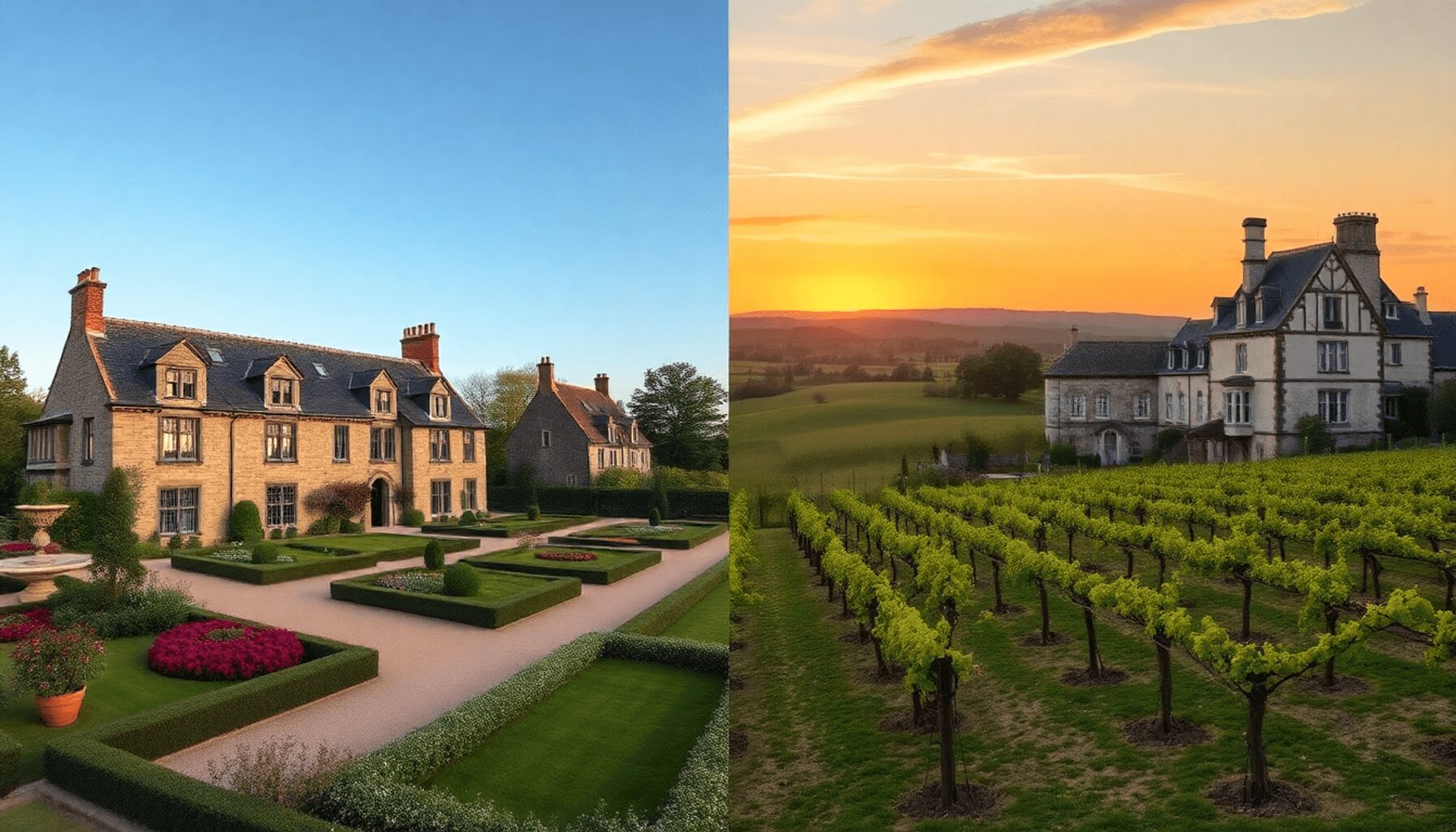
When you think about grand historic properties in Europe, two distinct images likely come to mind: the stately UK manor houses set amid rolling English countryside, and the elegant French vineyards with their sun-drenched châteaux overlooking rows of grapevines. Both represent centuries of heritage, architectural magnificence, and a lifestyle that many aspire to own.
I've spent considerable time researching and visiting these properties, and I can tell you that the differences between them run far deeper than geography. Understanding the cultural and functional differences between UK manor houses and French vineyards can greatly influence your property choice, whether for personal use or investment purposes.
The appeal of these properties extends beyond their romantic facades. You're looking at distinct investment opportunities, different operational models, and contrasting lifestyle experiences. A UK manor house offers you the prestige of British landed gentry tradition, while a French vineyard property combines residential elegance with active agricultural enterprise.
For instance, a vineyard in France could offer not just a beautiful home but also an opportunity to produce renowned wines such as Morgon, a powerful Beaujolais wine known for its fine tannic structure and longevity. This blend of residential comfort and agricultural enterprise is a unique aspect of owning a vineyard.
Throughout this property comparison, we'll explore:
- The historical and architectural distinctions that define each property type
- Land characteristics and estate layouts
- Functional uses and lifestyle implications
- Cultural heritage and preservation considerations
- Economic viability and commercial potential
This comprehensive analysis will help you make an informed decision about which property type aligns with your vision. Whether it's the grandeur of a UK manor house or the charm of a French vineyard where you could even host events like weddings – like Anaïs et Arthur who shared their marriage at Domaine de Vavril – the choice ultimately lies in what suits your aspirations best.
1. Historical and Architectural Overview
The Legacy of UK Manor Houses
Historic manor houses emerged during the medieval period as the residences of landed gentry and nobility. These properties served as the administrative centers of large estates, where lords managed their agricultural holdings and exercised local authority. The earliest examples date back to the 11th century, though most surviving manors were constructed between the 15th and 18th centuries.
British architecture evolved dramatically across these centuries, and manor houses reflect this progression:
- Tudor Period (1485-1603): Characterized by half-timbered facades, mullioned windows, and imposing chimneys
- Jacobean Era (1603-1625): Introduction of more symmetrical designs with elaborate stonework
- Georgian Period (1714-1830): Classical proportions, sash windows, and refined elegance became paramount
- Victorian Age (1837-1901): Gothic Revival elements and eclectic mixing of historical styles
The interiors of these properties tell their own story through distinctive features. You'll find rich wood paneling adorning walls and libraries, often crafted from oak or mahogany. Grand fireplaces anchor reception rooms, their mantels carved with family crests and heraldic symbols. Ornate staircases sweep upward as architectural centerpieces, featuring turned balusters and polished handrails that have been touched by generations.
French Vineyard Chateaux: A Different Heritage
French chateaux in vineyard regions developed along a separate trajectory. These properties, particularly prominent in Bordeaux, Burgundy, and the Loire Valley, combined residential grandeur with agricultural enterprise. The term chateau in this context doesn't necessarily denote a fortified castle but rather an elegant country house integrated with wine production.
The architectural language differs markedly from British manors. French vineyard properties typically showcase:
- Symmetrical facades with central entrance pavilions
- Mansard roofs with dormer windows
- Classical French proportions emphasizing horizontal lines
- Integration of working buildings (cellars, pressing rooms) into the estate design
Inside these properties, you'll discover stone fireplaces with limestone surrounds rather than the carved wood common in England. Parquet flooring in geometric patterns—often herringbone or Versailles designs—covers reception rooms. High ceilings with decorative moldings create an atmosphere of refined spaciousness, while tall French windows flood interiors with natural light.
One such property is the Domaine de Vavril in Beaujolais, which has been lovingly renovated into a luxurious wedding venue and family retreat. This transformation highlights the unique charm that such French vineyard chateaux can offer.
The distinction extends beyond aesthetics. Where British manor houses projected territorial authority and social hierarchy, French vineyard chateaux embodied a marriage between aristocratic living and commercial viticulture—a relationship that continues to define these properties today.
For instance, the Côte-de-Brouilly region is renowned for its elegant purple wines with aromas of iris and fresh grapes. This area is part of the Mont Brouilly vineyard which features unique soil types including diorites and blue schists – a true testament to the [C
2. Land Size & Estate Characteristics
UK Manor Houses
UK manor houses typically have large estate grounds, ranging from 10 to several hundred acres. The layout reflects centuries of careful planning, with the main residence positioned to maximize views across manicured landscapes and parkland. You'll find these properties feature distinct zones—formal gardens nearest the house, transitioning to working farmland or woodland at the periphery.
Manor house gardens are a defining characteristic of these estates. The grounds often include:
- Walled kitchen gardens spanning 1-2 acres
- Ornamental rose gardens with heritage varieties
- Ancient woodland walks with established tree canopies
- Formal lawns suitable for croquet or garden parties
- Water features including ornamental lakes or streams
The estate buildings add significant value and functionality to these properties. You'll encounter original coach houses, now converted into garages or guest accommodations, alongside stable blocks that housed dozens of horses during the property's working era. Many estates retain their original glasshouses—Victorian structures where exotic plants thrived year-round.
Gate lodges mark the entrance points to larger estates, while dovecotes, ice houses, and game larders speak to the self-sufficient lifestyle these properties once supported. The estate grounds UK properties offer create a sense of complete privacy, with tree-lined driveways often stretching half a mile from public roads to the main house.
One notable example of a UK manor house is Chatsworth House, renowned for its stunning architecture and extensive gardens.
French Vineyard Estates
In contrast, French vineyard estates present a different picture. While the chateau itself may sit on modest grounds of 2-5 acres, the working vineyard extends the property's footprint dramatically—often encompassing 20 to 200+ acres of cultivated vines arranged in precise rows across hillsides. These vineyards not only produce exquisite wines but also provide an enchanting backdrop for special events such as weddings.
If you're considering a unique venue for your wedding, a long weekend at a vineyard estate could be an ideal choice. This offers exclusivity, onsite accommodation, and more time to enjoy with loved ones. When it comes to selecting wines for such an occasion, choosing the right ones is crucial – from food pairings to quantities and even tasting them at the vineyard itself.
For those dreaming of a picturesque wedding in Beaujolais, here are 10 tips for finding your dream venue. But don't just take our word for it; hear from couples like Clara and Quentin who recently celebrated their wedding at Domaine de Vavril, sharing their memorable experience amidst stunning scenery and heartfelt moments.
Additionally, if you're looking for a beautiful setting for a family gathering or reunion, consider renting out [the luxurious family home at Domaine de Vavril](
3. Functional Use & Lifestyle Differences
Aristocratic homes in the UK have always centered on one primary purpose: serving as grand family residences that showcase generational wealth and social standing. When you step into a British manor house, you're entering a space designed for domestic life at its most refined level. The drawing rooms, libraries, and formal dining halls weren't merely decorative—they hosted everything from intimate family gatherings to elaborate social events that reinforced connections within the upper classes.
The layout of these properties reflects their residential focus. You'll find:
- Multiple reception rooms for entertaining guests at different levels of formality
- Private family wings separate from guest accommodations
- Servants' quarters and service corridors designed for discreet household management
- Nurseries and schoolrooms for raising children within the estate
The landed gentry tradition shaped every aspect of manor house life. These weren't weekend retreats or seasonal properties—they represented permanent seats of family power, often occupied by the same bloodline for centuries. The estate owner's role extended beyond property management to include responsibilities as local magistrate, employer, and community leader.
However, the functional use and lifestyle differences between UK manor houses and French vineyard properties are noteworthy. While French vineyard properties evolved around agricultural production and wine-making operations—often hosting weddings amidst enchanting settings—the British manors prioritized residential comfort and social ceremony.
In contrast to the focused agricultural operations in vineyards where wine is produced, you won't typically find working farms as the central feature of a manor house estate. The emphasis remained firmly on creating an environment that reflected aristocratic values: stability, tradition, and the careful preservation of family legacy through architecture and land stewardship.
Interestingly, this traditional residential focus of UK manor houses contrasts sharply with the lifestyle offered by French vineyard estates like those in Beaujolais, which are not only known for their exquisite wines such as Chardonnay Blanc, but also serve as picturesque venues for weddings, offering a unique blend of agricultural charm and residential comfort.
4. Cultural Significance & Heritage Impact
British heritage estates carry profound symbolic weight that extends far beyond their physical boundaries. These manor houses represent centuries of social hierarchy, where ownership signified membership in the landed gentry—a class that wielded considerable political and economic influence. Many UK manors served as administrative centers for entire regions, with the lord of the manor holding judicial powers and community responsibilities. This legacy shapes how we view these properties today, as tangible connections to Britain's feudal past and the evolution of its class system.
The cultural significance UK manors hold creates unique preservation challenges. Unlike French vineyards that generate income through wine production, British manor houses often struggle with financial sustainability. You're looking at properties that require:
- Constant maintenance of historic fabric and architectural features
- Compliance with strict listed building regulations
- Specialized craftspeople for authentic restoration work
- Significant heating and operational costs for large-scale buildings
Heritage organizations like English Heritage and the National Trust work tirelessly to protect these estates, recognizing their irreplaceable value to national identity. Many privately-owned manors benefit from government grants and tax incentives designed to encourage preservation, yet the financial burden remains substantial.
The emotional and historical narratives embedded in these properties make them living museums. Each manor house tells stories of political intrigue, artistic patronage, and social change. When you own or visit a British manor, you're not simply occupying a building—you're becoming a custodian of collective memory, responsible for passing these architectural treasures to future generations.
In contrast, [the Beaujolais region](https://vavril.fr/2007-des-vendanges-qui-durent-en-beaujolais-linformation-agricole-du-rhone) in France offers a different narrative with its vineyards and wine production. The region's unique characteristics are reflected in its exceptional wines, such as the Perles de Vavril, which are crafted using traditional methods. This blend of heritage and innovation is also evident in their innovative products like the Rosé de Vavril mousseux or Chardonnay blanc du Beaujolais.
5. Economic Considerations & Commercial Potential
The financial landscape surrounding UK manor houses has shifted dramatically in recent decades. Many property owners have discovered that these grand estates can generate substantial revenue streams when reimagined as commercial enterprises.
1. Manor House Hotels
Manor house hotels UK have become increasingly popular, transforming historic properties into luxury accommodations. Guests are willing to pay premium rates for the experience of staying in authentic period settings. Properties like Cliveden House in Berkshire and Babington House in Somerset demonstrate how successfully these conversions can perform financially. The combination of historical architecture, modern amenities, and exclusive atmospheres creates a unique market position that standard hotels cannot replicate.
2. Event Venues
The event venues Britain market has exploded with demand for manor houses as wedding and corporate event locations. These properties offer:
- Exclusive use of historic grounds and interiors
- Built-in photographic backdrops with architectural significance
- Multiple indoor and outdoor spaces for different event components
- Accommodation options for guests within the estate
- Prestige and uniqueness that modern venues cannot match
Market research indicates that couples spend an average of £31,000 on weddings in the UK, with historic venues commanding top-tier pricing. You can charge between £5,000 and £15,000 just for venue hire, depending on the property's location and amenities.
For those seeking an exceptional wedding venue, Domaine de Vavril in Beaujolais offers a stunning setting along with professional wedding planning services. This venue not only provides exclusive use of its grounds but also presents unique decorative options through its newly launched decoration kit which allows couples to personalize their wedding to reflect their style.
3. Other Revenue Opportunities
The commercial viability extends beyond hospitality. Film and television productions regularly seek authentic period locations, offering daily rates that can reach £10,000 or more. Corporate retreats, private dining experiences, and heritage tours provide additional revenue opportunities that leverage the property's historical authenticity without requiring permanent structural changes.
It's interesting to note that the allure of manor houses isn't confined to the UK alone. They are also sought after for [rustic chic weddings](https://vavril.fr/brides-magazine-octobre-2016-best-place-to-get-married-in-france) in other countries such as France, where venues like Le Domaine de Vavril are considered some of the best places to get married due to their unique charm and historical significance.
Making The Choice: UK Manor House or French Vineyard?
Choosing between a UK Manor House and a French Vineyard depends on your personal vision and financial goals. Each property type has its own advantages that cater to different aspirations.
When to Choose UK Manor Houses
UK manor houses are a better fit when:
- Your main focus is on luxurious living with the ability to move in right away
- You're interested in the British landed gentry tradition and its cultural significance
- You find the idea of transforming the property into commercial ventures like boutique hotels or wedding venues appealing
- You prefer properties that already have well-established gardens and estate facilities
- The stability and accessibility of the UK property market are important factors in your investment strategy
When to Choose French Vineyards
On the other hand, French vineyards might be more suitable if:
- You have a strong passion for wine production and agricultural business
- Generating income through grape growing and winemaking is something you find interesting
- The Mediterranean or temperate climate of France aligns with your lifestyle preferences
- You appreciate the combination of elegant château living with working farmland
- Tax benefits associated with agricultural properties fit into your financial plans
Assessing Your Capabilities
When comparing these historic properties, it's important to honestly evaluate your abilities. UK manors require significant budgets for maintenance but offer straightforward income through rentals or events. French vineyards demand knowledge about viticulture or reliable management teams, yet they provide multiple sources of revenue such as wine sales, tourism, and hospitality.
Your decision ultimately depends on whether you see yourself as a guardian of British heritage or an owner of French terroir. Both paths offer fulfilling experiences as an owner—you just need to align the property type with your true goals.
FAQs (Frequently Asked Questions)
What are the key historical and architectural differences between UK manor houses and French vineyards?
UK manor houses showcase British architecture with features like wood paneling, fireplaces, and ornate staircases reflecting various historical periods. French vineyards often include elegant chateaux with stone fireplaces and parquet flooring, distinct from castle designs.
How do the land size and estate characteristics of UK manor houses compare to those of French vineyards?
UK manor houses typically have extensive grounds including large gardens and additional estate buildings, emphasizing the grandeur of the property. French vineyards combine vineyard landscapes with chateau estates, integrating agricultural land with residential elegance.
What are the functional uses and lifestyle differences between UK manor houses and French vineyards?
UK manor houses primarily serve as grand family residences tied to the landed gentry tradition, focusing on residential grandeur. French vineyards blend residential living with viticulture, offering a lifestyle centered around wine production alongside elegant living.
How do cultural significance and heritage impact UK manor houses versus French vineyards?
UK manor houses symbolize social status within British history and face preservation challenges due to their importance in national heritage. French vineyards hold cultural value through their winemaking heritage and architectural elegance, reflecting regional traditions.
What economic considerations should be taken into account when choosing between a UK manor house and a French vineyard?
UK manor houses can be converted into commercial ventures like boutique hotels or event venues, meeting market demand for historic estate experiences. French vineyards offer commercial potential through wine production combined with hospitality opportunities.
How should one decide between investing in a UK manor house or a French vineyard?
Choosing between these properties depends on lifestyle preferences or investment goals. Consider factors such as cultural significance, functional use, economic potential, and personal affinity for either British aristocratic homes or French viticultural estates.