
Benefits of Working with Local Artisans and Vendors When Planning Events Abroad
Introduction
Planning an event abroad presents unique opportunities to create something truly unforgettable. You want your attendees to experience genuine cultural moments that go beyond standard conference halls and generic catering. Authentic event experiences abroad leave lasting impressions that participants talk about for years.
The reality of event planning abroad comes with significant hurdles. You're navigating unfamiliar territory—literally and figuratively. Language barriers complicate vendor negotiations. Time zones make communication frustrating. You're unsure about local regulations, customs requirements, and quality standards. Finding reliable suppliers from thousands of miles away feels like a gamble with your event's success on the line.
This is where the benefits of local artisans and vendors become game-changing. When you partner with on-the-ground experts who know their craft and their community, you transform these challenges into advantages. Local vendors advantages extend far beyond convenience—they bring specialized knowledge, cultural authenticity, and logistical expertise that remote planning simply cannot match.
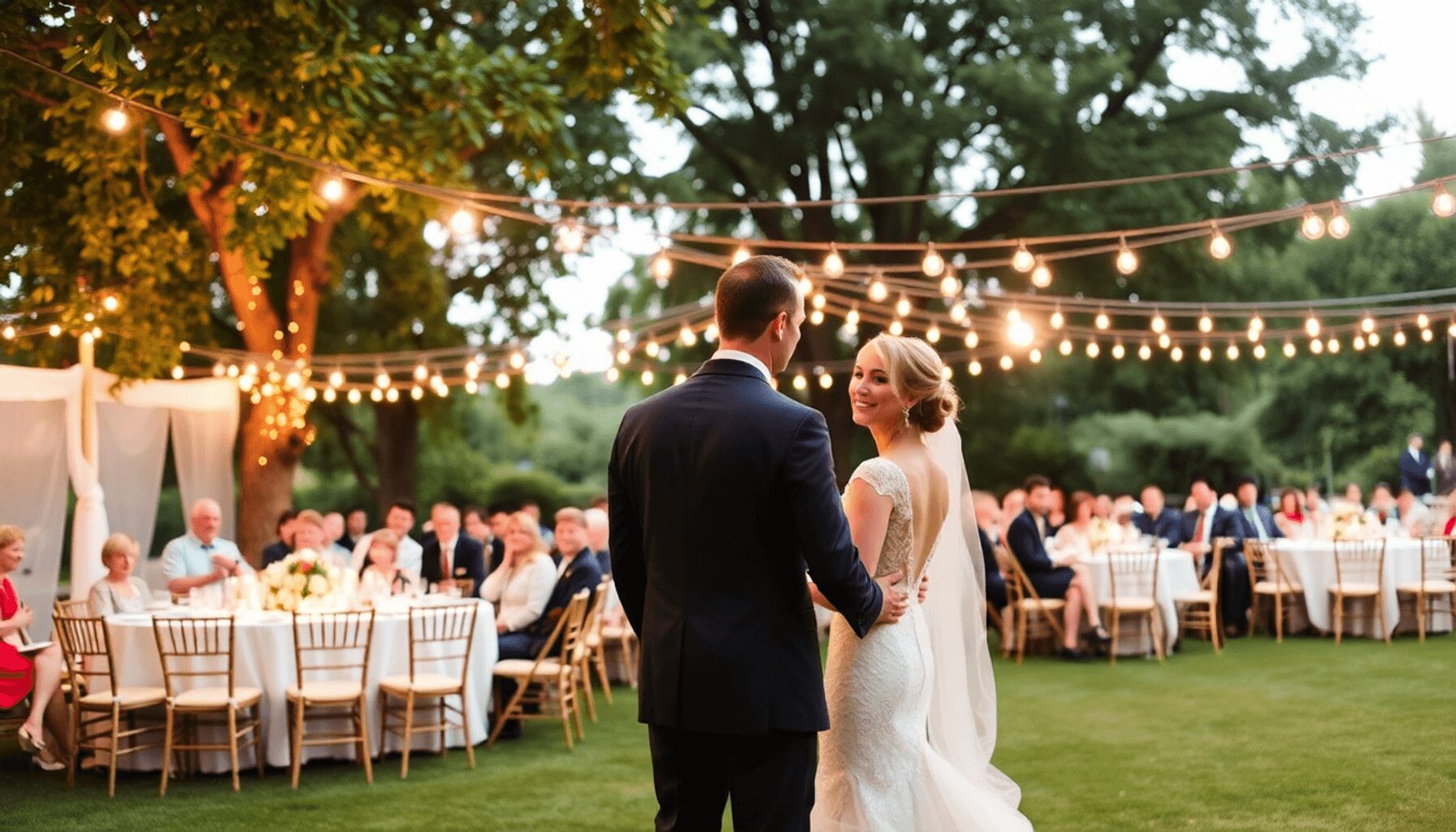
An excellent example of leveraging local artisanship is seen in the Domaine de Vavril, a venue that has successfully hosted numerous weddings and events, providing a unique blend of local culture and expertise. Their marriage testimonials highlight the memorable experiences crafted through collaboration with local vendors.
Moreover, working with local artisans allows for personalized touches in your event planning, such as DIY customisation of wine bottles for centerpieces or gifts, which can add a unique flair to your event. The Morgon wine, a powerful Beaujolais cru known for its fine tannic structure, could also be sourced directly from local vineyards, providing authenticity to your event's catering.
The benefits of working with local artisans and vendors when planning events abroad create a foundation for events that resonate deeply with attendees while simplifying your planning process. You gain partners who understand both the vision you're trying to achieve and the practical realities of executing it in their home environment.
1. Enhancing Event Authenticity Through Local Artisans
Working with local artisans allows you to access generations of authentic craftsmanship that mass-produced alternatives cannot replicate. These skilled craftspeople bring cultural elements directly into your event design, transforming generic spaces into environments that genuinely reflect the destination's heritage.
The Impact of Local Artisans on Event Design
Local artisans incorporate unique cultural artistry through their intimate understanding of regional symbolism, color palettes, and design motifs. For example:
- A Moroccan metalworker doesn't just create lanterns—they craft pieces embedded with geometric patterns that carry centuries of mathematical and spiritual significance.
- A Japanese calligrapher brings more than beautiful writing; they deliver an art form rooted in discipline and aesthetic philosophy.
Traditional techniques and materials create depth that attendees can feel. Here are some examples:
- Hand-woven textiles from Guatemalan artisans add texture and warmth that factory-made fabrics simply can't match.
- Ceramics fired in traditional kilns carry subtle variations that make each piece distinctive.
These elements create immersive experiences because they engage multiple senses and tell authentic stories.
Examples of Authentic Crafts Enhancing Event Aesthetics
Consider these examples of authentic crafts enhancing event aesthetics:
- Hand-carved wooden signage in Balinese style guiding guests through venue spaces
- Mexican papel picado (perforated paper art) creating dramatic overhead installations
- Indian block-printed fabrics serving as table runners and wall hangings
- Thai silk cushions providing both comfort and visual richness in lounge areas
You'll notice guests naturally gravitate toward these handcrafted elements, touching fabrics, examining details, and asking questions about their origins.
Enhancing Authenticity with Local Wines
To further enhance the authenticity of your event, consider incorporating local wines such as the Côte-de-Brouilly, a purple wine with iris and fresh grape aromas, known for its elegance. This wine, originating from the Mont Brouilly region with diorite and blue schist soils, can serve as a delightful addition to your event's catering.
An Exceptional Venue Option: Domaine de Vavril
If you're looking for a unique venue to host your event or wedding, the Domaine de Vavril offers an exceptional setting in Beaujolais. This luxurious location has been transformed from an 18th-century manor into a beautiful wedding venue and family retreat through passionate renovation efforts detailed in our story of love at first sight.
Moreover, the accommodation options available at this venue provide an added layer of convenience for your guests, allowing them to fully immerse themselves in the experience without worrying about travel logistics.
Incorporating local crafts not only enhances the aesthetic appeal of your event but also aligns with sustainable practices by supporting local artisans. You might want to explore more about such cultural heritage crafts which could
2. Specialized Knowledge and Expertise of Local Artisans
Local artisans bring specialized craftsmanship knowledge that you simply can't replicate through remote partnerships or imported materials. These skilled professionals have spent years—often generations—perfecting techniques passed down through their families and communities. When you work with a Moroccan zellige tile master, you're accessing centuries of geometric precision and color theory that no online tutorial can teach.
The depth of artisan expertise becomes apparent when you need problem-solving on the ground. A Japanese ikebana master doesn't just arrange flowers; they understand seasonal blooms, symbolic meanings, and how arrangements interact with specific architectural spaces. This regional understanding transforms your event from decorated to deeply meaningful.
Traditional materials require intimate knowledge that only local experts possess. You might source what appears to be authentic Peruvian textiles online, but a Cusco weaver knows which alpaca wool works best in high-altitude venues, how natural dyes respond to local humidity, and which weaving patterns hold cultural significance for your event's purpose. They can guide you away from culturally inappropriate choices you wouldn't recognize as an outsider.
The quality difference is measurable. Local artisans working with familiar materials produce superior results because they understand how those materials behave in their native environment. A Balinese wood carver knows which tropical hardwoods withstand outdoor humidity for your garden reception, ensuring your custom installations remain flawless throughout your event.
Incorporating local expertise into your wedding planning can significantly enhance the overall experience. For instance, if you're considering a long weekend wedding to enjoy more time with loved ones, here are some tips to make the most of it.
Moreover, choosing the right wines for your celebration is crucial. You might find our guide on selecting wines for weddings useful, covering everything from food pairings to quantities needed.
When it comes to finding the perfect venue for your special day, we have some valuable insights in our article about choosing the ideal wedding location in Beaujolais.
Lastly, if you're looking for inspiration from real weddings held at beautiful locations like Domaine de Vavril, Clara and Quentin's story could provide some wonderful ideas for your own celebration.
It's also worth noting that the skills of local artisans extend beyond traditional crafts into areas such as sustainable practices in construction or agriculture. For example, recent research highlights the importance of artisanal knowledge in sustainable practices which can be incredibly beneficial when planning eco-friendly events or sourcing sustainable materials.
3. Simplifying Logistics with Local Vendors
Planning events abroad presents complex logistical hurdles that can derail even the most carefully crafted plans. However, partnering with local vendors can simplify these challenges significantly.
1. Regional Market Knowledge
Local vendors bring regional market knowledge that transforms these challenges into manageable tasks. For instance, navigating permits and transportation becomes significantly easier when you collaborate with vendors who already understand the bureaucratic landscape. They know exactly which permits your event requires, how long approval processes take, and which government offices to contact. Such relationships with local authorities often expedite what would otherwise be lengthy approval timelines.
I remember working with a local vendor in Barcelona who managed to secure our street performance permits in just three days—a process that typically takes international planners weeks to navigate. Similarly, if you're planning a wedding or a family gathering in France, local vendors like those at Domaine de Vavril, known for their luxury rentals and immersive gastronomic experiences, can make your event planning much smoother.
2. Real-Time Problem-Solving
The Benefits of Working with Local Artisans and Vendors When Planning Events Abroad extend to real-time problem-solving. Your on-the-ground partners can physically inspect venues, meet with other service providers face-to-face, and handle last-minute adjustments without the constraints of international coordination. For example, local artisans in Beaujolais can help create an enchanting atmosphere for weddings as seen in the testimonials from couples like Méline and Edouard here or Sarah and Raphaël here.
3. Streamlined Event Logistics
Moreover, when your vendors operate within the same time zone and geographic area, event logistics abroad become streamlined. You eliminate shipping delays, customs complications, and the risk of damaged goods arriving from overseas. Local vendors source materials from nearby suppliers, arrange same-day deliveries, and provide backup options when plans change unexpectedly.
They understand local traffic patterns, know reliable transportation companies, and can quickly pivot when weather or other factors impact your event timeline. Furthermore, if you're considering hosting a vin d'honneur at your wedding in Beaujolais, Feed Traiteur's 10 tips could be invaluable for ensuring its success amidst the beautiful vineyards of Domaine de Vavril.
4. Supporting the Local Economy and Sustainable Practices
When you partner with local artisans and vendors, such as those producing the exquisite Chardonnay Blanc from Beaujolais or the renowned Perles de Vavril, you directly inject funds into the communities hosting your event. Your payments support families, preserve traditional crafts, and help maintain cultural heritage that might otherwise disappear. You're not just planning an event—you're contributing to the economic vitality of the destination.
Supporting local economy extends beyond individual transactions. Local vendors typically source materials from nearby suppliers, creating a ripple effect throughout the community. When you hire a local florist, they purchase from regional growers. When you work with local caterers, they buy from neighborhood markets and farms.
Sustainable event planning becomes significantly easier through local partnerships. You eliminate the environmental costs associated with international shipping, including carbon emissions from air freight and excessive packaging materials. A ceramic artist based in Oaxaca doesn't need bubble wrap, cardboard boxes, and intercontinental transport to deliver handcrafted plates to your event venue.
The reduced shipping impact translates to measurable environmental benefits. You avoid the fuel consumption, packaging waste, and carbon footprint that come with importing event materials from overseas suppliers.
Local collaboration naturally encourages ethical sourcing practices. You can verify working conditions, ask questions about material origins, and ensure fair compensation. This transparency becomes nearly impossible when working through international intermediaries or online marketplaces.
Moreover, when you choose to stay at local accommodations like L'Appartement des Vignes au Domaine de Vavril, you're not just enjoying a refined stay but also supporting the local economy. This kind of sustainable practice extends beyond just event planning; it's about creating a positive impact on the community while enjoying its offerings.
5. Improved Communication, Responsiveness, and Quality Outcomes from Personalized Services with Local Vendors
Communication with local vendors transforms how you handle event planning abroad. When you work with vendors in the same time zone, you eliminate the frustration of waiting hours for email responses. You can arrange face-to-face meetings, conduct site visits, and address concerns in real-time. This proximity means you're not relying on video calls at inconvenient hours or struggling with language barriers through translation apps.
The cultural context in events becomes clearer when your vendors share the same cultural background as your event location. They understand unspoken social norms, appropriate color symbolism, and seasonal considerations that you might miss. For instance, a local caterer understands dietary customs without lengthy explanations while a local florist knows which blooms carry specific meanings in their culture.
In places like France, where the wedding industry is renowned globally, understanding these nuances is vital. Choosing the right local wedding vendors can significantly enhance your wedding experience. The personalized services offered by these vendors reach new heights when they can adapt quickly to your changing needs. Local artisans visit your venue multiple times during setup, making adjustments based on lighting, space, and your feedback. They bring backup materials, suggest alternatives when something isn't working, and pivot strategies without the constraints of international shipping timelines.
Moreover, quality vendor partnerships built on proximity allow you to inspect work in progress, request modifications, and ensure standards meet your expectations. You develop relationships that extend beyond transactional exchanges, creating trust that improves outcomes for your event.
If you're considering a destination wedding in France, places like Le Domaine de Vavril offer stunning venues that can host rustic chic weddings.
6. Enriched Guest Experience Through Cultural Immersion Events
Your attendees don't just want another generic event—they want experiences that stay with them long after they return home. When you work with local artisans and vendors, you're giving your guests authentic cultural immersion events that transform ordinary gatherings into extraordinary memories.
Genuine Interactions That Create Emotional Connections
Picture your guests learning traditional pottery techniques from a fourth-generation ceramicist in Oaxaca, or watching silk weavers demonstrate ancient methods in Vietnam while enjoying locally-sourced refreshments. These aren't staged performances—they're genuine interactions that create emotional connections between your attendees and the destination.
Enhancing Guest Experience Through Local Partnerships
The guest experience enhancement you achieve through local partnerships goes beyond surface-level decoration. You're offering your attendees:
- Hands-on workshops where they create their own cultural artifacts to take home
- Live demonstrations of traditional crafts that showcase regional heritage
- Authentic culinary experiences prepared by local chefs using indigenous ingredients
- Interactive sessions with artisans who share stories behind their craft
When you integrate these culturally rich environments into your event programming, you'll see measurable impacts on attendee satisfaction. Your guests become active participants rather than passive observers, engaging with the destination in ways that hotel ballrooms and convention centers simply cannot replicate. This level of authenticity creates talking points that extend your event's reach through organic word-of-mouth and social media sharing.
Conclusion
The benefits of working with local artisans and vendors when planning events abroad go beyond just convenience. You get authentic cultural experiences, specialized knowledge, smooth logistics, and eco-friendly practices that make your event special. Local partnerships turn your international gatherings into immersive experiences that deeply connect with attendees.
When you choose local collaborators, you're investing in successful event planning abroad that delivers tangible results. Your guests leave with genuine connections to the destination's culture. Your event runs smoothly because you have local partners who understand every detail of their surroundings. You positively impact local economies while minimizing your environmental impact.
The summary of benefits for local artisans and vendors makes a strong case: authenticity, quality, efficiency, sustainability, and unforgettable guest experiences all come from one smart decision. You'll discover that local partnerships don't just fix problems—they open doors for new ideas and cultural exchange that make your events truly unforgettable. Start building these relationships for your next international event, and see how they improve your planning process and results.
FAQs (Frequently Asked Questions)
What are the benefits of working with local artisans and vendors when planning events abroad?
Partnering with local artisans and vendors enhances event authenticity, simplifies logistics, supports the local economy, promotes sustainable practices, improves communication and responsiveness, and enriches guest experiences through cultural immersion.
How do local artisans enhance the authenticity of international events?
Local artisans incorporate unique cultural artistry using traditional techniques and materials, creating immersive experiences that reflect authentic craftsmanship and regional cultural elements, thereby enhancing event aesthetics and authenticity.
In what ways do local vendors simplify event logistics abroad?
Local vendors possess regional market knowledge and understand local regulations, permit requirements, transportation, and sourcing processes. This expertise streamlines logistics by reducing challenges associated with permits, transportation, and supply chain management in foreign locations.
How does working with local artisans support sustainable event planning?
Collaborating with local artisans reduces shipping impact and packaging needs, encourages ethical sourcing, promotes sustainability practices, and economically benefits local communities by supporting their businesses during event planning abroad.
Why is communication with local vendors important for successful international events?
Proximity to local vendors allows for timely communication, problem-solving, personalized services tailored to specific event needs, and smoother coordination due to shared cultural understanding. This leads to higher quality vendor partnerships and better event outcomes.
How do cultural immersion events created with local artisans impact guest experience?
Integrating authentic local culture through artisan-crafted elements creates memorable experiences that deeply engage attendees. Such culturally rich environments enhance guest satisfaction by providing meaningful connections to the host region's traditions and artistry.