
French Wine Tasting Etiquette: What Every Visitor Must Know
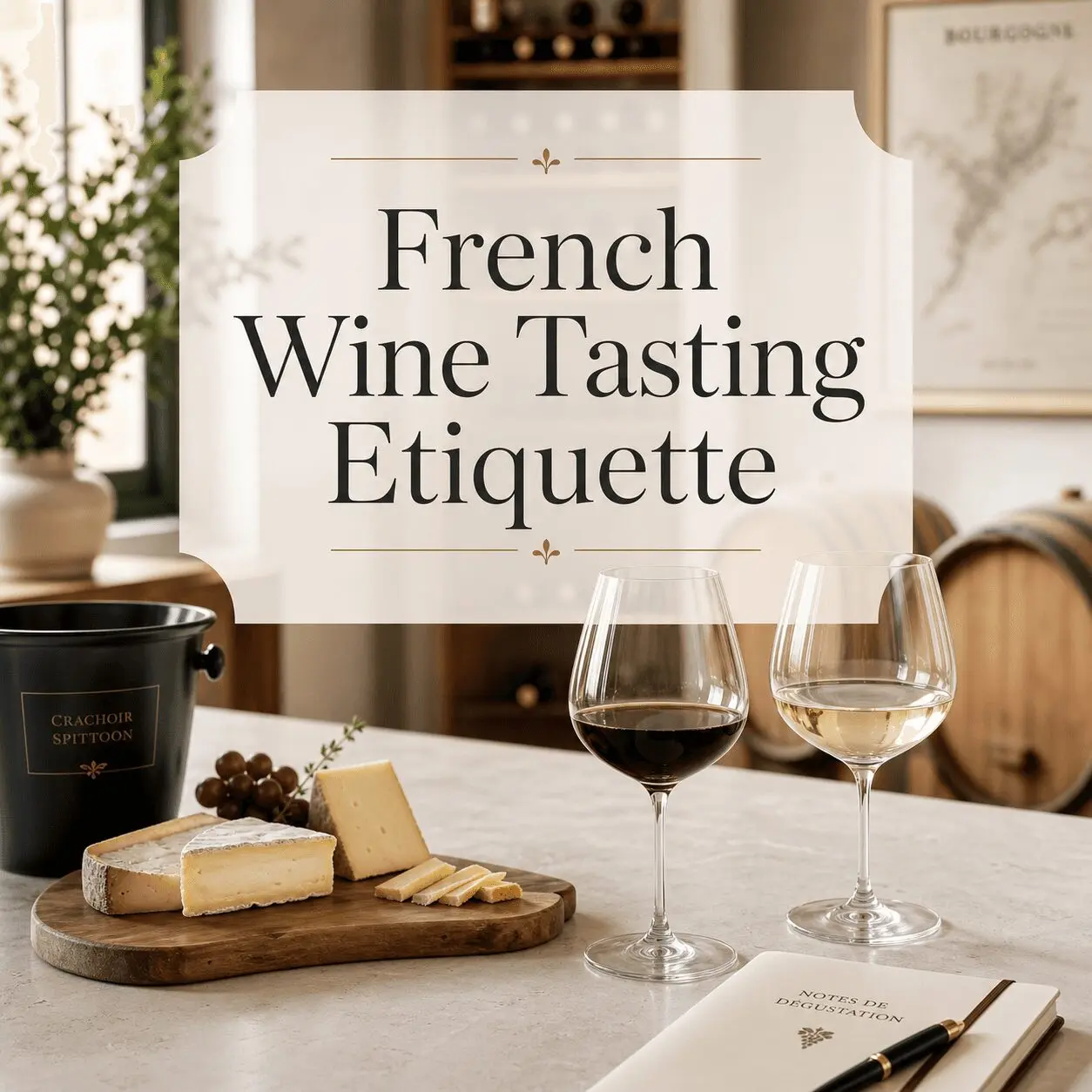
People often think a wine tasting in France is a rather stiff affair. People silently swirling their glasses, sniffing for ages, coming out with strange words like "forest floor" or "gunflint." Well. Sometimes, yes.
But the reality, especially at a domaine, is much simpler. And warmer. The only thing that can really spoil the experience is showing up without a clue, or worse, thinking you have to impress.
So here it is. This guide is French wine tasting etiquette, the useful version. Not snobby. Just what you need to feel at ease, respect the place, and enjoy it to the fullest.
Before you go: book ahead, arrive prepared, and… slow down a little
In France, many domaines welcome visitors by appointment only. Even when they're "open," there may be a small team on hand, the harvest, a bottling day, a wedding on site (maybe a vineyard wedding), or just the normal daily life of an estate.
So yes, the right reflex: let them know you're coming.
- Book if you can, especially in high season.
- Be on time. If you're running 10 minutes late, send a quick message and you're all set.
- Skip the strong perfume. It sounds like a detail, but it literally kills the aromas in the room.
And here's something that surprises some visitors: you don't have to rush through everything. A pleasant tasting is a calm moment. You're on vacation or on a getaway. Enjoy it.
If you're thinking about getting married in a wine region, know that there are affordable wedding ideas and ideas for outdoor vineyard weddings that could make your day even more memorable.
The greeting, the tone, the first minute
When you arrive, a clear "bonjour," a smile, and you're off. In France, greetings matter. They set the tone and show that you respect the place. No need for a big speech.
If you speak English and a little French, mix the two, it works really well. And if you don't speak any French at all, no problem, but keep up that small effort to be polite: "bonjour" (hello), "merci" (thank you), "au revoir" (goodbye). It changes everything.
It's not a test. It's just people meeting people.
How a wine tasting works in France (and what's normal)
Usually, you'll be offered several wines, often from the lightest to the most structured. White, rosé, red. Or only reds, depending on the region.
The typical rhythm:
- A quick introduction to the domaine and its terroir.
- A first wine is poured.
- You smell, you taste, you ask questions.
- On to the next one.
There's almost always a spittoon. Yes, that's normal. No, it's not rude to spit. Quite the opposite: it's often seen as a sign that you're tasting seriously, especially when there are several wines.
Holding your glass: a small gesture with a big impact
Hold the glass by the foot or the stem. Not by the bowl.
Why? Because the warmth of your hand heats up the wine, and because you leave fingerprints, which makes it harder to look at the wine. Is it a big deal? No. Is it better to do it this way? Yes.
And if they only pour you a little, that's normal too. A tasting isn't a bar.
Weddings in French vineyards: a one-of-a-kind experience
If, after this wine tasting experience, you ever find yourself thinking about a wedding in an idyllic setting like a French vineyard, as several American couples have done, know that these places offer an unmatched romantic atmosphere. You can even choose from sustainable wedding venues in French vineyards, or explore French wedding traditions to make your event even more memorable.
French vineyards aren't just ideal for weddings; they also offer a fascinating alternative to traditional English manor houses.
Look, smell, taste: the simple order
1) Look
Tilt the glass slightly against a light background. You look at the color, the brilliance, sometimes the density. It's quick.
2) Smell
Take a first sniff without swirling, then you can swirl the wine (gently) and smell it again. No need to swirl like in a movie. A small movement is enough.
3) Taste
A small sip. Let the wine move around your mouth. You can draw in a little air to aerate it, but if that feels awkward, don't force it. Nobody will judge you for it.
Then you either swallow or spit. And if you spit, do it decisively. Half-hearted attempts are how it ends up on your shirt.
Talking about wine without embarrassing yourself (spoiler: there's no wrong answer)
People think you need "the right words." In reality, what helps the person across from you most is your own impression.
Say simple things:
- "I like fruity wines, and I like this one"
- "I find it drier than the last one"
- "It reminds me of cherry, doesn't it?"
- "It's lighter, easier to drink"
You don't need to recite a poem. And if you don't smell "anything"… that's okay. Ask: "What do you smell?" It opens up the conversation.
If you're attending a wine tasting during a French wedding, these tips will be especially helpful for appreciating and talking about the different wines you'll come across.
A word on superlatives
Avoid the theatrics, like "incredible, exceptional, the best wine of my life," from the very first glass. Not because it's forbidden. But because it often sounds fake. And above all, you miss out on the nuances.
Questions you can ask (and the ones to avoid)
The best questions are often the most practical ones:
- "What's the blend or the grape variety?"
- "Is it aged in tanks or in barrels?"
- "What would you pair with this wine?"
- "How long can I keep it?"
- "What temperature should I serve it at?"
- "Do you have a signature cuvée?"
Questions to handle with tact:
- "How many bottles do you produce?" (fine, but not in audit mode)
- "Why is it so expensive?" (if you ask, ask instead what explains the price: yields, aging, work in the vineyard)
- "Can you give me a big discount?" (more on that below)
Buying etiquette: yes, you can taste without buying, but…
In France, it's generally acceptable to taste without buying. Especially if the tasting is free and you're polite.
There's a nuance, though. A wine estate isn't an endless showroom. It's people's time.
So if you liked the wines, buy at least one bottle. Or ask how to order later. Or leave a review. A small gesture.
And if the tasting is paid, it's simple: pay, and don't haggle. You're paying for an experience, not just liquid in a glass.
If you're thinking about including wine tastings in your wedding weekend, it could be a great opportunity to explore the richness of local wines while celebrating your marriage. And if you're in the area for a wedding at a French vineyard, or you're a guest at a vineyard wedding, it could also be the perfect time to ask these questions about the wines.
For those planning their intimate French vineyard wedding from America, these tips on tasting and buying wine can be invaluable. Indeed, choosing a French vineyard over a château for your wedding can offer an authentic and unique experience.
Finally, it's essential to understand the difference between authentic and commercial French wedding venues.
On negotiating
Aggressive haggling, market-style, goes down badly at most domaines. If you're buying a case, you can calmly ask: "Is there a discount for several bottles?" and accept the answer.
Photos, videos and phones: common sense, applied
You can take photos. It's often even encouraged, especially if you tag the domaine. But ask before filming the person in front of you. That's basic courtesy.
And during the tasting… try not to scroll. I know, it's tempting. But it breaks the connection. And it makes it look like you're somewhere else.
The unwritten rules of the spittoon
We've touched on this already, but it deserves a mini chapter of its own.
- Use it if you're driving, or if you're doing several tastings in a row.
- Don't apologize for spitting.
- Don't make exaggerated noises. One small, clean gesture, and you carry on.
- Don't leave tissues or trash lying around.
It sounds silly, but a clean tasting is a relaxed tasting.
Talking about service, temperature, the glass… without lecturing
If the wine seems too warm, you can ask: "Could we taste it a little cooler?" rather than "This wine is served too warm." How you say it matters.
The same goes for the glass. Most domaines know exactly what they're doing. If you're a very knowledgeable wine lover, keep the "curious" energy, not the "professor" one.
Don't forget that every domaine has its own atmosphere and its own rules. For example, if you get the chance to visit a domaine like Domaine de Vavril, take the opportunity to discover its unique philosophy and its approach to tastings.
In Beaujolais, a few extra codes (very simple ones)
Beaujolais is often friendlier, more direct, less ceremonial. And at the same time, people here take wine very seriously.
You'll hear about crus, granite, soils, lieux-dits (named vineyard sites), semi-carbonic maceration, Gamay, sometimes Chardonnay. Don't panic. Ask questions. People here love to explain. Really.
And if you're here for an event like a wedding or a big family reunion, a tasting can become a highlight of the stay. It creates a shared memory. And that's worth its weight in gold.
Tastings and events: how to behave as a group
Groups are great, but they can get loud fast. A few easy rules:
- Let the person guiding you finish their sentences.
- Hold the jokes during the technical explanation, you can come back to them afterward.
- Pick one or two people to ask the questions, otherwise it goes in every direction.
- If you're a large group, be okay with a more structured tasting, sometimes with a set time slot.
If you happen to be looking for a venue in Beaujolais where all of this is easy to organize, with reception spaces and on-site accommodation, all while being immersed in the world of wine, Domaine de Vavril could be the ideal place. The estate offers not only memorable experiences for guests, but also the chance to organize wine tours for wedding guests, creating an unforgettable experience for everyone.
Speaking of wine and events in Beaujolais, it's worth understanding a few wine fundamentals that could enrich your experience. For example, semi-carbonic maceration is a technique often used in this wine region, and it helps produce unique, flavorful wines.
Classic mistakes (and how to avoid them without stress)
- Arriving late without warning.
- Wearing a lot of perfume.
- Talking louder than everyone else.
- Trying to "test" the person serving you.
- Saying all the wines taste the same, starting with the first one.
- Touching bottles or equipment without asking.
- Driving after swallowing everything.
Honestly, if you avoid these, you're already above average.
A mini guide to polite phrases (simple and useful)
- "Est-ce que je peux prendre une photo?" (Can I take a photo?)
- "Vous conseillez de le carafer?" (Do you recommend decanting it?)
- "Je préfère les vins plus frais, vous avez une cuvée dans ce style?" (I prefer fresher wines, do you have a cuvée in that style?)
- "On peut acheter sur place ou vous livrez?" (Can we buy here, or do you deliver?)
- "Merci pour la dégustation, c'était super clair" (Thank you for the tasting, it was really clear)
Simple. Effective. And very French in spirit.
The end of the tasting: say thank you, buy, and stay in touch
When it's over, take 20 seconds to say thank you. Even if you don't buy anything. It's physical, seasonal, intense work. The time they spend welcoming you is a gift.
If you buy, ask how to transport the bottles, especially in summer. And if you're traveling far, ask about shipping. Many domaines have solutions.
And if you truly fell for a wine… stay in touch. Sign up for the newsletter, follow the domaine, come back one day. That's also what wine country France is about. Coming back. Habits. A relationship.
Micro-Weddings in French Vineyards: The Ultimate Guide
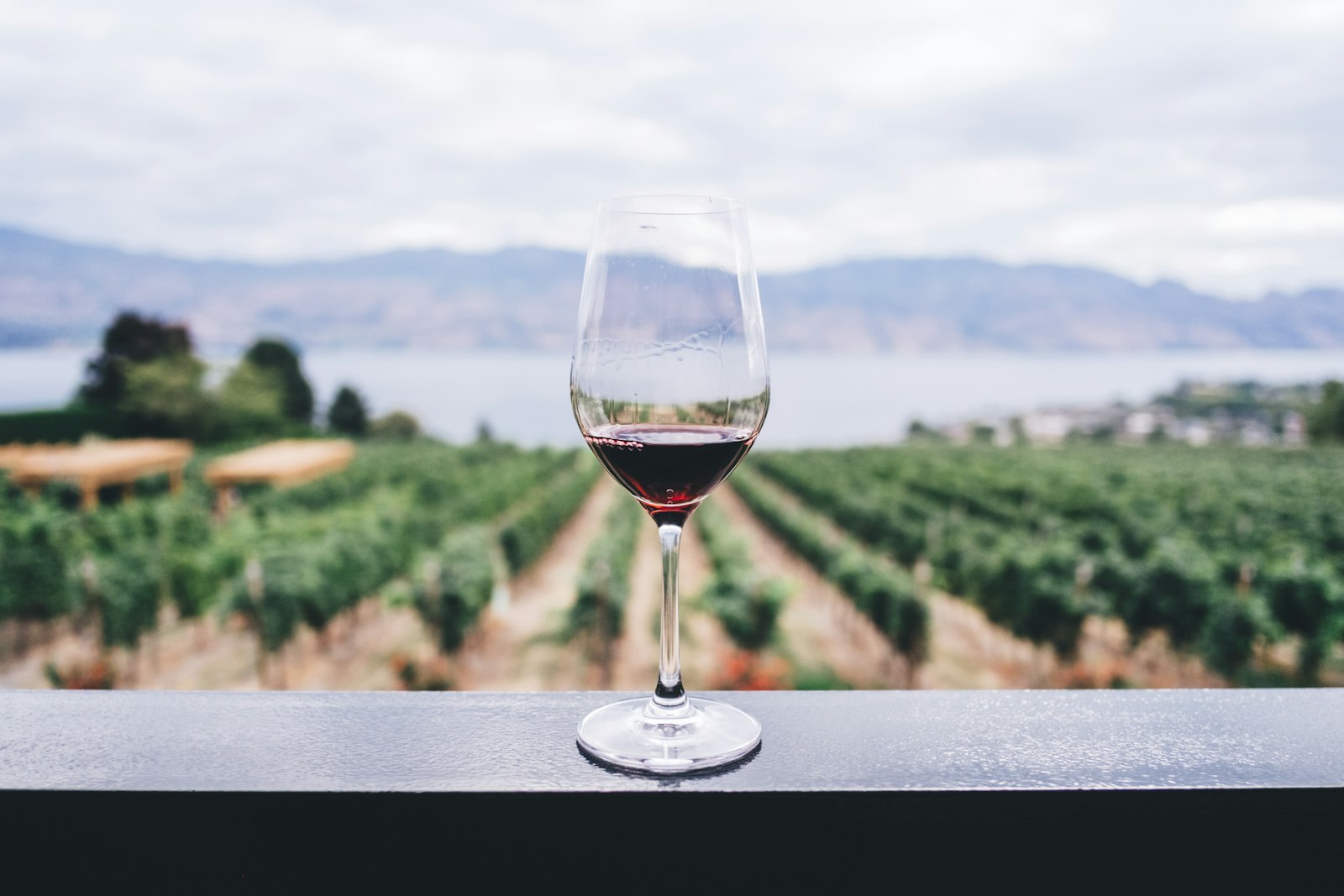
If you're dreaming of a unique and memorable wedding, why not consider a micro-wedding in a French vineyard? These intimate events can offer an unforgettable experience surrounded by lush vines and picturesque landscapes.
French Vineyard Wedding Costs: The Complete Budget Guide
However, it's essential to be aware of the costs that come with these weddings. A well-planned budget can make all the difference in making sure your special day goes off without a hitch while staying within your means.
In a nutshell
Good etiquette isn't about reciting a glossary. It's about being attentive. Present. Respectful. Curious, too.
You arrive, you say bonjour, you listen, you taste at your own pace, you ask simple questions. You spit if you need to. You say thank you.
And then you leave with a bottle, or at least with a vivid memory. A wine tied to a place, to people, to the light in the vineyards.
That's French-style wine tasting. Not an exam. A moment.
Frequently asked questions
Do you have to book a wine tasting at an estate in France?
Yes, booking ahead is strongly recommended, especially in high season. Many domaines only welcome visitors by appointment because of activities like the harvest or bottling.
How does a wine tasting in France usually work?
A typical tasting includes an introduction to the domaine and its terroir, followed by a tasting of several wines from the lightest to the most structured, often with a spittoon so you can spit if needed.
Is it rude to spit out wine during a tasting?
No, it's not rude. On the contrary, spitting is often seen as a sign that you're tasting seriously, especially when several wines are offered.
What's the right way to hold your glass during a tasting?
It's best to hold the glass by the foot or the stem, so you don't warm the wine with your hand or leave marks on the bowl, which makes it easier to look at the wine.
Any tips for behaving well at a tasting at a French wine estate?
Be on time, avoid strong perfumes that can mask the wines' aromas, greet people politely with a "bonjour" and a smile, and take your time to enjoy the experience calmly.
Can you have a wedding at a French vineyard?
Yes, getting married at a French vineyard offers a unique experience. There are affordable ideas and suggestions for outdoor vineyard weddings to make the day memorable.