
Beaujolais Wine Region: A First-Timer’s Travel Guide
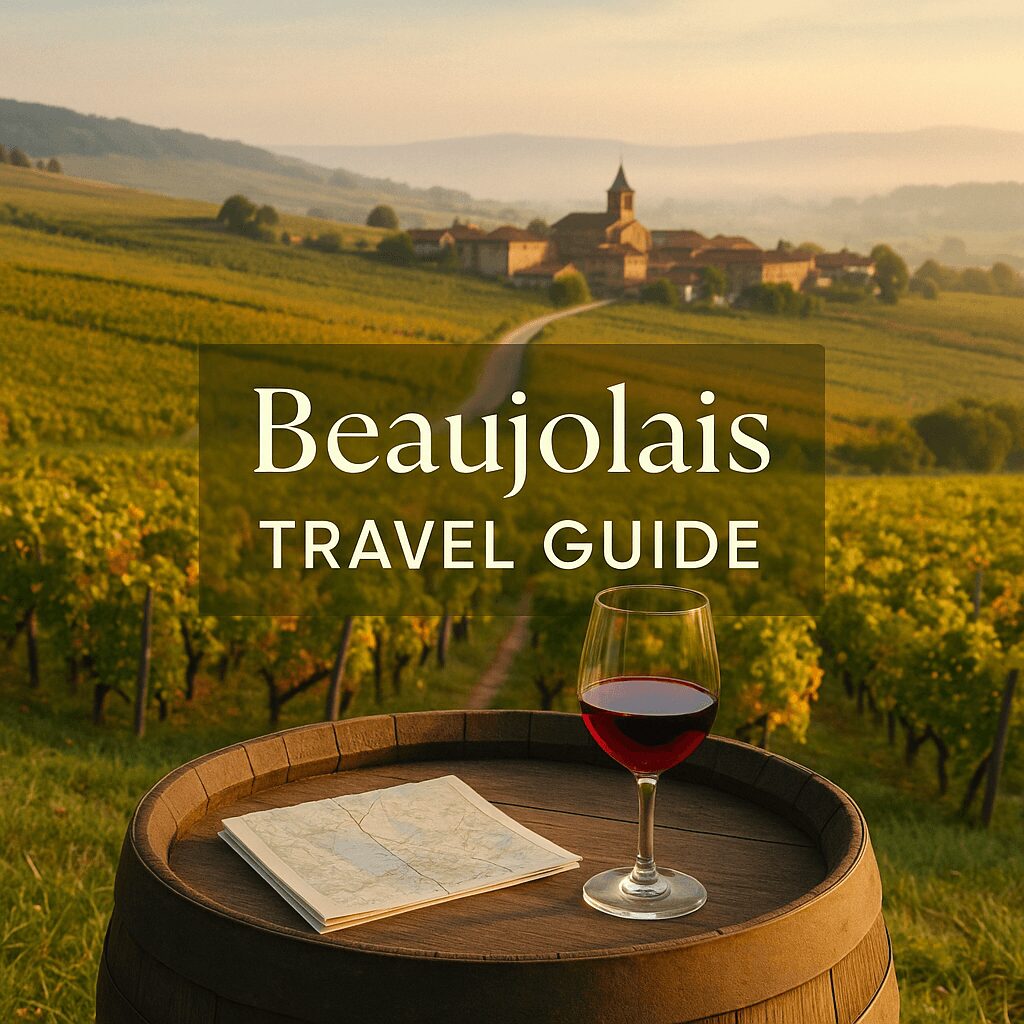
If you've heard of Beaujolais at all, it was probably in the same sentence as Beaujolais Nouveau. Which is fine. It's fun. It has its moment.
But the real reason people quietly fall in love with this region is simpler than that. It's pretty. It's approachable. It's full of small villages where lunch runs long, the hills look like a painting, and nobody acts like you need a sommelier certification to enjoy a glass of Gamay.
This is a first timer guide. Not the encyclopedia version. More like… here's what to do, where to base yourself, what to taste, and how to not overplan it.
Where is Beaujolais, exactly?
Beaujolais sits just north of Lyon, in eastern France. It's basically the soft countryside transition between the city and Burgundy.
The region is usually split into:
- Beaujolais (the southern part, closer to Lyon, often called Beaujolais des Pierres Dorées because the villages glow gold at sunset)
- Beaujolais-Villages (a step up in quality, more rural, more hills)
- The 10 Crus of Beaujolais (the names you'll see on bottles like Morgon, Fleurie, Moulin à Vent…)
If you're visiting for the first time, the crus are the headline. But honestly, the southern golden stone villages are the ones that surprise people. They look like Tuscany's cousin who moved to France and chilled out.
These picturesque villages also serve as ideal locations for intimate celebrations such as micro-weddings, offering stunning backdrops amidst lush vineyards.
Best time to visit (and what it feels like)
There's not really a "wrong" season. Just different moods.
Spring (April to June)
Expect green vineyards, wildflowers, fresh air. Some wineries are quieter during this time which is nice if you hate crowds.
Summer (July to August)
This season brings long days perfect for pool weather, weddings, and village festivals. Expect more activity and a little more planning ahead.
Harvest season (September)
Probably the best all around. The light is gorgeous, the food gets heartier, and you can feel the energy in the vines.
Late autumn (November)
This is when Beaujolais Nouveau buzz happens. Fun if you like parties but it's not the calm countryside vibe.
Winter
Quiet, cozy and a bit sleepy – still lovely if you want fireplaces, local food and slow drives.
When planning your visit, it's essential to consider weather patterns as they can greatly influence your experience in this beautiful region.
Getting there and getting around
Fly or train in
Most first timers do one of these:
- Fly into Lyon (LYS), then drive up.
- Train to Lyon, then rent a car.
- Or if you're already in Paris, you can take a fast train to Lyon and continue from there.
You probably want a car
Beaujolais is rural. The villages are spread out. You can do some taxi hopping, but it gets annoying fast.
With a car, you can do the best Beaujolais thing, which is… stop whenever the view is good. And it will be good a lot.
A simple way to plan your first trip (without losing your mind)
If you're staying 2 to 3 days, do this:
- Day 1: southern Beaujolais golden stone villages, a winery visit like those in the Beaujolais Villages, relaxed dinner
- Day 2: crus day trip (pick 2 to 4 crus, not 10, you are not on a mission)
- Day 3 (optional): market morning, one last tasting, long lunch, slow drive back
If you're staying 4 to 6 days, you can add:
- a hike or bike day
- a Lyon day trip
- a proper "stay at an estate" moment where you don't move around much
That last one matters more than people think. For instance, consider some budget-friendly elopement ideas in French wine country.
The crus of Beaujolais, explained like a normal person
There are 10 crus. Each has a reputation, but it's not a rigid rule. Producers matter. Vintage matters. Your own taste matters.
Still, here's a helpful first timer map of vibes:
- Fleurie: floral, pretty, light on its feet
- Morgon: deeper, more structured, often the "oh wow" moment
- Moulin à Vent: bold, ages well, more serious
- Brouilly: friendly, easy, a great introduction
- Côte de Brouilly: a touch more intensity than Brouilly
- Chénas: small, less touristy, worth it if you like exploring
- Juliénas: spice, structure, very food friendly
- Chiroubles: higher altitude, fresh, bright
- Régnié: often underrated, balanced
- Saint-Amour: romantic name, popular around Valentine's, can be charming and soft
If you're also considering making your trip special with unique experiences that blend luxury and relaxation such as staying at an estate with luxury and zen attitude, or even planning for a [destination wedding in Beaujolais](https://vavril.fr/la-liste-ultime-pour-organiser-un-mariage
What tastings are like here (and how to book them)
Beaujolais tastings tend to feel more human than intimidating. Lots of family domaines. Lots of people who actually live there and work their vines.
A few tips:
- Book ahead if you're visiting in summer or around harvest.
- Keep tastings to 1 to 2 wineries a day if you want to enjoy it.
- Ask if they do vineyard walks. It changes everything when you see the slopes and soils.
And yes, you can spit. People do. Nobody will judge you. If anything they'll respect you for staying conscious.
If you're considering a unique experience, incorporating wine tastings into your wedding weekend could be an unforgettable addition.
The prettiest villages for wandering (and unplanned lunches)
Beaujolais is full of small places that feel like they were designed for strolling slowly. A few worth putting on your map:
Oingt
One of the most famous golden stone villages. Tiny lanes, views, craft shops, a very "take a photo here" kind of place.
Beaujeu
Historic capital of Beaujolais, and a good base if you want to feel more local than tourist. Also, it's close to countryside estates and vineyards.
Vaux-en-Beaujolais (Clochemerle)
Known for its satirical novel and a gentle sense of humor about itself. Easy, pretty stop.
The Pierres Dorées villages (general vibe)
Even if you don't target one exact village, just driving through this area late afternoon is… yeah. You'll get it.
A very real food section (because you will get hungry)
Beaujolais is not a "just snack" region. It's a sit down and eat region.
Look for:
- Saucisson, pâté, terrines
- Poulet de Bresse nearby, if you're lucky
- Cheeses from the wider Rhône Alpes area
- Andouillette if you're brave and curious
- Tarte aux pralines (pink, sweet, Lyon adjacent classic)
Wine-wise, Gamay is versatile. It's bright enough for summer lunches and still holds up with richer food.
If you're planning a wedding in this beautiful region, understanding the French vineyard wedding costs can help you budget effectively. Additionally, consider exploring all-inclusive elopement packages in French wine country, which often include stunning vineyard locations and exquisite wine experiences such as wine tours for wedding guests.
And don't forget to try out the local delicacy – oeufs meurette au Beaujolais nouveau, a dish that beautifully combines the region's culinary and viticultural heritage!
A first timer's wine buying guide (what to bring home)
Don't just buy what you tasted first. It happens to everyone.
Instead:
- Buy one "easy" bottle for casual nights (Brouilly, Beaujolais-Villages)
- Buy one cru bottle you loved right away (Fleurie or Morgon are common favorites)
- Buy one bottle to age, even if you're not an aging person (Moulin à Vent or Morgon)
- If you find a producer doing something special, trust it. Buy two. Future you will be grateful.
Also, ask wineries if they can ship. Some can. It saves luggage drama.
Where to stay: the choice that changes your trip
You can stay in a city hotel and do day trips. Sure.
But Beaujolais is at its best when you stay somewhere that makes you slow down. Somewhere with space. Gardens. A view. Breakfast that turns into a planless morning.
If you're traveling as a group, or you're doing a celebration trip, it's even more important.
One option to keep on your radar is Domaine de Vavril, a countryside estate in the Beaujolais area near Beaujeu. It's the kind of place that works for multi-day stays with friends or family, and yes, it's also set up for full privatization events like weddings, making it an ideal location for those considering a vineyard wedding.
The estate features stone reception spaces, gardens, on-site accommodations, and a heated pool – all the stuff that makes people actually settle in instead of rushing back out the door.
Even if you're not planning a wedding, it's worth seeing what they offer for private stays and gatherings. Sometimes the best Beaujolais trip is just: arrive, unpack, taste locally, and let the days breathe a little.
If you're looking for activities and entertainment during your wedding guest stay, or are curious about how to choose the right season for your wedding or event in Beaujolais, Domaine de Vavril has all the information you need.
Moreover, if you're interested in exploring Beaujolais before or after your wedding, consider checking out these itinerary ideas which could help enhance your experience in this beautiful region.
A simple 3 day itinerary you can copy
Day 1: Golden stone villages and an easy first tasting
- Morning: arrive, settle in
- Afternoon: Oingt and nearby villages drive
- Late afternoon: first winery tasting, something relaxed
- Evening: dinner in a village, early night
Day 2: Crus loop day
- Morning: head north into the crus
- Pick 2 villages to anchor your day (example: Fleurie and Morgon)
- Winery visit, long lunch, second tasting if you feel up to it
- Sunset viewpoint stop on the way back
Day 3: Market, last bottle, slow departure
- Morning market (wherever you are, ask locally)
- Buy cheese, fruit, bread, something sweet
- One last stop for bottles
- Drive back to Lyon
A few small mistakes first timers make (so you don't)
- Trying to do all 10 crus. It turns into a checklist, not a trip.
- Skipping lunch. In France, lunch is part of the point.
- Not booking tastings. Some small domaines are appointment only.
- Driving too aggressively on tiny roads. Slow is safer, and also nicer.
- Only drinking Nouveau. It's like visiting Champagne and only drinking mini bottles on New Year's. Fun, but incomplete.
If you're planning a special event such as an anniversary celebration or a destination wedding, Beaujolais offers an array of beautiful settings and unique experiences. The autumn season is particularly enchanting with various harvest season events taking place. Additionally, if you're part of a wedding party looking for some fun activities around Beaujolais, there are plenty of options available.
What to pack (lightly, but smart)
- Comfortable shoes for cobblestones and vineyard paths
- A layer for evenings, even in summer
- A tote bag for market mornings
- If you're buying wine, bring a bottle protector or ask about shipping
- And, if you're staying at an estate with outdoor space, throw in something you can wear for a lazy afternoon by the pool
For more extensive travel plans, consider checking out this Italy packing list for two weeks which offers useful insights.
The quick takeaway
Beaujolais is one of those regions that doesn't demand much from you. You don't need to know everything. You just need a few good stops, a bit of time, and a willingness to linger.
Pick a base you'll actually enjoy being at, plan a couple of cru visits, leave space for long lunches and roadside viewpoints, and let the rest happen. Given the recent trends and insights into its wine production, it's clear that Beaujolais is becoming one of France's major wine regions.
And if you want a stay that feels like the countryside version of exhaling, take a look at Domaine de Vavril. Even browsing it can spark ideas for the kind of Beaujolais trip you'll remember, not just document.
FAQs (Frequently Asked Questions)
Where is the Beaujolais wine region located and what are its main subregions?
Beaujolais is located just north of Lyon in eastern France, serving as a soft countryside transition between the city and Burgundy. The region is divided into three main parts: Beaujolais (the southern part known as Beaujolais des Pierres Dorées), Beaujolais-Villages (more rural with rolling hills), and the 10 Crus of Beaujolais, which include famous names like Morgon, Fleurie, and Moulin à Vent.
What is the best time to visit Beaujolais for wine tourism?
Beaujolais can be visited year-round, each season offering a unique experience. Spring offers green vineyards and fewer crowds; summer features long days with festivals and weddings; harvest season in September provides gorgeous light and hearty food; late autumn brings the lively Beaujolais Nouveau celebrations; and winter is cozy and quiet, perfect for slow drives and enjoying local food by the fireplace.
How do I get to Beaujolais and what is the best way to get around?
Most visitors fly or take the train into Lyon (LYS) then rent a car to explore Beaujolais. The region is rural with spread-out villages, so having a car is highly recommended to enjoy spontaneous stops at scenic views and wineries. Taxi hopping is possible but can become inconvenient quickly.
What should a first-time visitor do when planning a trip to Beaujolais?
For a 2-3 day trip, start with exploring the southern golden stone villages and a winery visit on day one, dedicate day two to visiting 2-4 of the 10 crus, and optionally spend day three enjoying a market morning, one last tasting, a long lunch, and a slow drive back. For longer stays (4-6 days), consider adding hiking or biking days, a day trip to Lyon, or staying at an estate for a relaxed experience.
What are the characteristics of the 10 Crus of Beaujolais?
Each of the 10 crus has unique vibes: Fleurie is floral and light; Morgon offers deeper structure often surprising visitors; Moulin à Vent is bold and ages well; Brouilly is friendly and easy-drinking; Côte de Brouilly has more intensity than Brouilly; Chénas is small and less touristy; Juliénas features spice and structure making it very food-friendly; Chiroubles is fresh due to higher altitude; Régnié is balanced but underrated; Saint-Amour is charming with romantic appeal especially around Valentine's Day.
Can Beaujolais villages be suitable locations for special celebrations like micro-weddings?
Yes! The picturesque golden stone villages in southern Beaujolais provide stunning backdrops amidst lush vineyards, making them ideal for intimate celebrations such as micro-weddings. These settings combine natural beauty with rustic charm perfect for memorable events.