
Private Wine Tastings for Wedding Guests: What to Book
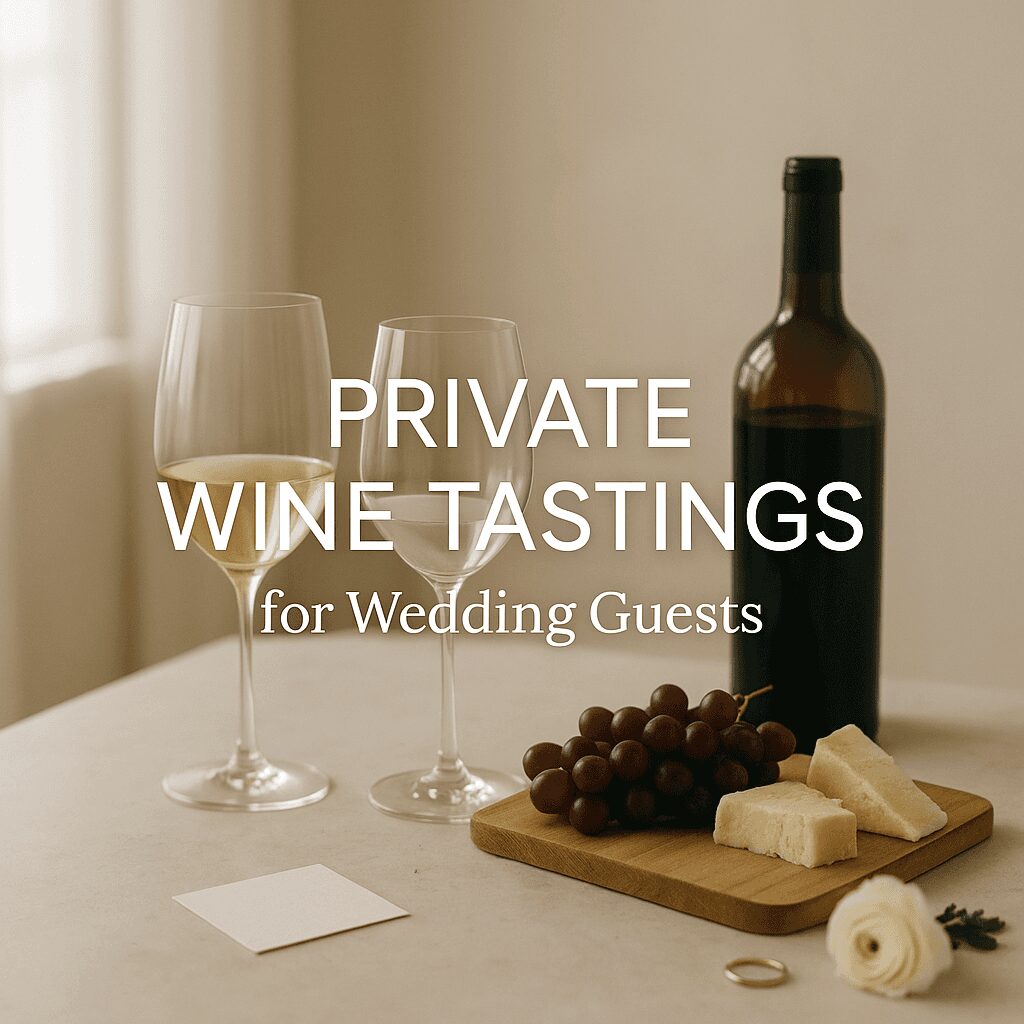
If you are planning a wedding in France, there is a moment you probably keep coming back to in your head.
Not the first dance. Not the cake.
It's that in between time. When people have arrived, they are a little dressed up, a little excited, they are meeting cousins and friends and plus ones, and they want something to do that feels special but not forced.
A private wine tasting is basically perfect for that. It gives your guests an experience that feels local and a bit luxurious, without turning your wedding weekend into a rigid schedule. And in a region like Beaujolais, it just makes sense. You are literally surrounded by vineyards. People want to taste what they are looking at.
This guide is for choosing what to book, how to plan it, how long it should be, what to pour, what to pair it with, and how to keep it feeling relaxed. And yes, if you are hosting your wedding at a wine estate like Domaine de Vavril, you can make this ridiculously easy on yourself because the setting is already doing half the work.
Why private tastings work so well for weddings
A private tasting is one of the few wedding activities that works for almost every personality type. Your wine lovers get to nerd out a little. Your non-wine people still enjoy the vibe because it is basically "good drink, nice view, light snacks, no pressure". Your older guests like that it is calm and seated. Your younger guests like that it feels like the start of the party.
Also, it creates easy conversation. Guests do not need to invent small talk. They can just say, oh I like this one, what do you taste, do you usually drink Gamay, and suddenly they are chatting.
A tasting is also an easy way to:
- welcome guests who traveled far
- bridge the gap between ceremony and dinner
- fill the day after the wedding when everyone is a bit slower
- highlight the region you chose for your wedding
And in Beaujolais specifically, it is kind of the point. You came to a place with vineyards and real winemaking culture. Let guests experience it through wine tours or by incorporating wine tastings into your wedding weekend.
Moreover, don't forget about the unique opportunity to [pair French wine with your wedding](https://vavril.fr/en/french-wine-and-wedding-pairing-guide/), making your special day even more memorable.
First decision: when should you schedule the tasting?
This matters more than people think. The same tasting can feel totally different depending on timing.
Option 1: Welcome tasting on arrival day (best for most weddings)
This is the classic. Guests check in, freshen up, then you meet for an early evening tasting.
Why it works:
- sets the tone for the weekend
- helps people mingle before the main day
- feels like a gift, not an obligation
Good timing:
- 5:00 to 6:30 pm, or 5:30 to 7:00 pm
Keep it light. Nobody wants a 2 hour masterclass right after traveling.
Option 2: Pre ceremony "calm" tasting (works for small groups)
This can be lovely for close family, wedding party, or VIP guests. Think parents, siblings, your best friends.
Why it works:
- intimate and quiet
- gives you a structured moment with important people
- doesn't compete with the party energy
Good timing:
- late morning, around 11:00 am
Pour fewer wines. Add snacks. Make it gentle.
Option 3: Cocktail hour tasting (only if it stays simple)
This is where it can go wrong, because cocktail hour already has movement, photos, hugs, timing pressure.
If you do it, keep it minimal:
- 2 featured wines max
- one sentence of explanation
- focus on flow, not education
Option 4: Day after brunch tasting (surprisingly great)
This is underrated. Guests are relaxed, the pressure is off, and a tasting becomes a soft landing.
Best format:
- 2 to 3 wines
- optional vineyard walk
- brunch style pairings
Not too boozy. People still have trains and flights.
Second decision: what kind of private tasting are you actually booking?
Here are the main formats that work for weddings, from simplest to most involved.
1) The "Welcome Pour" (30 to 45 minutes)
This is not really a tasting. It is a warm greeting with one or two wines.
Book this if:
- you have lots of guests arriving at different times
- you want something elegant but easy
- your schedule is already full
What it includes:
- 1 white or sparkling option
- 1 red option
- minimal commentary
- light nibbles
This is especially nice if you are privatizing a venue and guests can drift in and out.
2) Classic guided tasting (60 to 90 minutes)
This is the sweet spot for most wedding groups.
Book this if:
- you want a real experience, but not intense
- you have 15 to 80 guests (depending on setup)
- you want guests seated and comfortable
What it includes:
- usually 4 to 6 wines
- a host who guides the tasting
- time for questions
- often a small regional pairing
This is where you can start telling a story. About the place, the vines, the winemaking, the region.
3) Premium tasting with food pairings (90 minutes to 2 hours)
This is where it starts to feel like a culinary event.
Book this if:
- your guests are serious about food and wine
- you want a "wow" moment
- you have the budget for proper pairings
What it includes:
- 5 to 7 wines
- cheeses and charcuterie, sometimes multiple courses
- paced pours
- more explanation about why each pairing works
This format is also great if you are doing a smaller wedding and want to add richness to the weekend.
4) Vineyard walk + tasting (90 minutes to 2 hours)
This is a favorite for destination weddings. Planning a destination wedding can be made even more special with this option.
Book this if:
- guests want to be outside
- you want photos that feel candid and beautiful
- you want the region to be the backdrop
What it includes:
- short guided walk
- stops for views and vineyard explanation
- tasting at the end, or at a viewpoint
Just keep accessibility in mind. Shoes, slopes, older guests. Always offer a non walking alternative.
5) Cellar tasting (60 to 90 minutes)
This can be magical. Cool air, barrels, stone walls, that feeling of being behind the scenes.
Book this if:
- you want atmosphere
- your group is not too large
- you want something that feels exclusive
Note: cellars can be cold. Tell guests in advance.
6) Blind tasting game (60 to 90 minutes)
This is fun for groups that like a bit of competition. It can get loud in a good way.
Book this if:
- your guests are playful
- you want energy
- you are ok with some chaos
A nice twist is to make it "France vs the world" or "Beaujolais villages vs crus".
What wines should you include? A simple wedding friendly structure
A wedding tasting is not the same as a wine club tasting. You're not trying to prove anything; you're trying to create a shared moment. Here are formats that work, especially if you're considering a wedding in Beaujolais.
The safest lineup (4 wines)
- 1 fresh white (or Crémant / sparkling if you prefer)
- 2 reds that show contrast (lighter vs deeper)
- 1 special bottle to finish (older vintage, single parcel, or a prestige cuvée)
This keeps it interesting without overwhelming people.
The "Beaujolais story" lineup (5 to 6 wines)
If you are in Beaujolais, lean into it. A beautiful progression could be:
- a white from the region (or nearby) for freshness
- Beaujolais Villages
- a cru that is bright and floral (Fleurie style profile, for example)
- a cru that is deeper and structured (Morgon style profile, for example)
- an aged Gamay to show how it evolves
- optional: something unexpected like a rosé or a sparkling
Even non wine people understand this. Light to deeper. Young to aged. Easy.
If you're planning your wedding in France, consider these wedding planning tips and take advantage of the stunning Beaujolais wine country. Also, think about the season when choosing your wedding date with our guide on [how to choose the right season for your Beaujolais wedding or event](https://vavril.fr/en/how-to-choose-the-right-season-for-your-beaujolais-wedding-or-event/). For those considering a more adventurous route, our article on from Napa to Beaujolais wine country weddings could provide some valuable insights.
The "crowd pleasing" lineup (3 wines)
Sometimes you just want to keep it short.
- sparkling or white
- classic red
- one "wow" red
That is enough.
Food pairings: what actually works for a wedding group
Pairings can be as simple as bread and cheese, or as structured as mini courses. Either way, you want it to feel generous.
Here are the best options for wedding guests.
Cheese and charcuterie boards (always works)
This is the easiest yes.
Tips:
- include one mild cheese and one stronger cheese
- add nuts, fruit, maybe a local jam
- have vegetarian friendly options that are not just lettuce
Passed bites (better for mingling)
If you do a welcome tasting where people stand, passed bites help. Nobody wants to balance a plate, a glass, and a handbag.
Think:
- gougères
- small tartlets
- mini sandwiches
- olives and tapenade
A light pairing meal (best for premium tastings)
If you are doing 6 wines, give people more food. It makes the experience smoother and safer.
Small plates that work:
- roast chicken bites, simple herbs
- mushroom toast
- seasonal vegetable tart
- pâté or terrine with pickles
- a small dessert bite with the final pour
Avoid messy sauces. Avoid anything too spicy. You want wine to be the star.
How many guests can join without it feeling like a lecture?
This depends on the setup and the person leading it, but here is the honest breakdown.
6 to 14 guests
Intimate. Everyone can ask questions. You can go deeper. You can do barrel samples or older vintages and it feels natural.
15 to 40 guests
Still great. This is the best range for weddings. Big enough to feel social, small enough to stay connected.
40 to 100 guests
Possible, but the format needs to shift.
- use microphones if needed
- keep it shorter
- focus on a few key points, not too technical
- consider having multiple stations or splitting into two groups
Above 100, it becomes more like a wine reception than a tasting. Which is fine. Just call it what it is.
What to ask when you are booking (so you do not regret it later)
This is the part that saves you.
When you contact a venue, a winery, or a tasting provider, ask these questions. Even if it feels picky. Weddings are logistics.
- How long is the experience, really?
Not just "1 hour tasting". Ask if that includes seating guests, introductions, and wrap up. - How many wines and what sizes are the pours?
You want to avoid accidental over serving, especially before dinner. - Can you include non alcoholic options that feel thoughtful?
Not just water and juice. Think sparkling grape juice, botanical drinks, alcohol free wine, or at least a nice local lemonade. - Is it seated or standing?
And do they provide tables? Standing tastings need surfaces. - What language is the tasting in?
If you have international guests, bilingual hosting matters. - What is the plan for bad weather?
If you want it outdoors, there needs to be an indoor fallback that still feels nice. - Is it private, or will other groups be present?
For weddings, private usually feels better. Less distraction. - Are there allergies and dietary accommodations?
Especially if food is included. - Do you handle glassware and staffing?
This is one of those hidden stress points. - Can we buy bottles on site or pre order for the wedding dinner?
This is a great way to connect the tasting to the reception.
If you're considering spring weddings in French wine country, these tips will come in handy for your winery wedding reception planning as well!
Sample tasting packages you can book (and who each one is for)
These are practical templates. You can literally copy them and send them to a provider.
Package A: Welcome to Beaujolais (best for arrival day)
- Duration: 60 minutes
- Wines: 4 (1 white, 3 reds)
- Food: shared boards, simple and generous
- Tone: relaxed, story driven, not technical
- Extras: short intro about the estate and the region
Package B: Vineyard walk + golden hour tasting (best for photos)
- Duration: 90 minutes
- Wines: 3 to 4
- Food: light bites
- Timing: 1.5 hours before sunset
- Notes: provide a flat route option for anyone who needs it
- Additional Suggestion: Incorporate some vineyard wedding photography best shots during this package for stunning memories.
Package C: Premium pairing tasting (best for smaller weddings)
- Duration: 2 hours
- Wines: 6 to 7
- Food: paired small plates or structured cheese courses
- Tone: a bit more detailed, but still friendly
- Extras: include one aged wine, something memorable
Package D: Family and wedding party cellar tasting (best for intimate groups)
- Duration: 60 to 75 minutes
- Wines: 5
- Food: bread, cheese, charcuterie
- Extras: behind the scenes cellar moment, photos
Package E: Tasting stations during cocktail hour (best for large groups)
- Duration: 60 minutes (open flow)
- Wines: 2 to 3 stations with one featured wine each
- Food: your cocktail hour catering
- Notes: station hosts keep it moving, short explanations only
The small details that make it feel high end (without spending a fortune)
A tasting becomes "private" not because it is expensive, but because it is cared for.
A few ideas that genuinely change the feel:
- printed tasting cards at each place setting
- one sentence per wine, not a novel
- a bottle display so guests can see labels
- water already on the table
- spit buckets discreetly available (yes, even at weddings)
- one good story about the place, not ten facts
- a little surprise bottle at the end
And if you want it to feel wedding connected, add one personal touch. Like naming the final wine "the toast bottle" and telling everyone it will be served again at dinner.
How to keep it fun for guests who do not care about wine
You will have these guests. Always.
Do not fight it.
Instead, make the tasting accessible:
- pour smaller amounts, more frequently
- avoid heavy technical language
- let people say "this tastes like cherries" without correcting them
- encourage preferences, not right answers
- keep it moving
Also, food helps. A lot.
And non alcoholic options should be treated like part of the experience, not an afterthought. Put them on the tasting card. Serve them in the same glassware. Let people feel included.
Planning it at a wedding venue with vineyards on site (the easy mode)
Getting married at a venue with an existing vineyard offers a significant advantage. It eliminates the hassle of transporting guests, coordinating between multiple vendors, and hoping for perfect timing.
You can seamlessly incorporate wine tastings into your wedding schedule:
- in a reception room before dinner
- outdoors with stunning vineyard views
- in a courtyard moment between events
- as a day-after activity for guests who stay on site
This is one reason why full property privatization is so appealing. Everything remains cohesive.
Take Domaine de Vavril for instance, where the entire experience is centered around the estate. The atmosphere, the spaces, the on-site accommodations, and yes, the wine identity of the domain all contribute to making a tasting feel like an integral part of the place rather than just an add-on.
If you're in the early stages of planning and want to visualize what a wedding weekend could look like at this beautiful venue, start by exploring the venue overview and wedding information on vavril.fr. After that, reach out with your specific dates and guest count to make your conversation more concrete.
A simple timeline that works (steal this)
Here is a natural flow for your wedding weekend.
Day 1, arrival
- 4:00 pm check-in and settling
- 5:30 pm private welcome tasting (60 minutes)
- 7:00 pm casual dinner or pizza night, something easy
In addition to these initial plans, you might want to consider some [unique ideas for outdoor wedding receptions in the vineyards](https://vavril.fr/en/unique-ideas-for-outdoor-wedding-receptions-in-the-vineyards/) which could add a special touch to your celebration. Also, if you're looking for ways to enhance your guests' experience while staying at the estate, you can explore these top activities for guests during a multi-day event at Domaine de Vavril.
Day 2, wedding day
- late morning: optional short tasting for close family (45 minutes)
- afternoon: ceremony
- cocktail hour: featured local wine station
- dinner: serve at least one wine guests tasted the day before
Day 3, farewell
- 11:00 am brunch
- 12:00 pm light farewell tasting (2 to 3 wines) or bottle shop moment
It is not packed. People can breathe. But there is still structure.
What it should cost (rough guidance, because people always ask)
Pricing varies a lot depending on region, wines, staff, and food. But to help you plan:
- welcome pour: lowest cost, minimal staff, 1 to 2 wines
- classic guided tasting: mid range, 4 to 6 wines
- premium pairing tasting: higher, because food and staffing add up fast
- vineyard walk + tasting: similar to classic, sometimes higher if it includes logistics
- large group station tasting: can be efficient per person, but needs more staffing
If you want to keep it reasonable, spend on:
- a great host
- good glassware
- one memorable bottle
And keep everything else simple.
Quick booking checklist (print this in your brain)
Before you confirm anything, make sure you have:
- final guest count estimate
- language needs (French, English, bilingual)
- timing and duration
- indoor backup plan
- non alcoholic options
- food plan and allergies
- who sets up and clears
- where guests will stand or sit
- how it connects to the rest of the weekend (dinner wines, toast, etc.)
If the provider answers these clearly, you are in good hands.
For those considering a romantic vineyard wedding in the South of France, there are numerous factors to consider. Utilizing the local wine culture during your wedding day can create an unforgettable experience for your guests. A short tasting for close family in the late morning could set a lovely tone for the day ahead.
During the cocktail hour, featuring local wines would not only support local businesses but also provide an authentic experience. It's crucial that at least one of the wines served during dinner was tasted by guests the day before – a perfect way to reminisce about the previous day's experiences.
As you plan your farewell brunch on Day 3, incorporating a light farewell tasting or even a bottle shop moment can serve as a sweet ending to your wedding festivities.
When it comes to budgeting for these experiences, remember that costs can vary significantly based on several factors such as region and wine selection. Therefore it's important to have a clear understanding of what each type of tasting entails – from [classic guided tastings](https://vavril.fr/en/how
Final thoughts
A private wine tasting is one of those wedding additions that sounds like a nice idea, and then ends up being the thing guests talk about later. Because it is not generic. It is not copy paste.
It is specific to where you are.
Book it like you would book music. Choose the mood you want. Choose the timing that makes guests feel cared for. Keep it friendly. Keep it flowing.
If you're looking for a tasting experience that feels seamless because the vineyards and the wedding setting are part of the same narrative, consider exploring Domaine de Vavril. Their stunning vineyard locations offer unique private wine tasting experiences during your wedding stay, making it one of those details that can quietly elevate the whole weekend. For more information on their offerings, feel free to reach out through their site.
Moreover, if you're in search of a truly magical setting for your nuptials, don't miss out on their selection of fairytale wedding venues nestled within beautiful French vineyards.
FAQs (Frequently Asked Questions)
Why is a private wine tasting ideal for weddings in France, especially in Beaujolais?
A private wine tasting offers guests a local, luxurious experience that feels special without being forced. In Beaujolais, surrounded by vineyards, it allows guests to taste the wines they see around them, creating a relaxed and authentic atmosphere perfect for wedding celebrations.
What are the best times to schedule a private wine tasting during a wedding weekend?
Ideal times include the welcome tasting on arrival day (5:00-7:00 pm) to set the tone and encourage mingling; a calm pre-ceremony tasting for close family or VIPs around 11:00 am; a simple cocktail hour tasting with minimal wines; or a relaxed day-after brunch tasting with 2-3 wines paired with brunch-style food.
How long should a private wine tasting last at a wedding?
Tastings can range from 30 minutes for a casual "Welcome Pour" to 60-90 minutes for a classic guided tasting, and up to 2 hours for premium tastings with food pairings. The duration depends on guest preferences and the desired level of experience.
What types of private wine tastings can be booked for weddings?
Options include the "Welcome Pour" (30-45 minutes) with one or two wines and light nibbles; classic guided tastings (60-90 minutes) featuring 4-6 wines with host commentary; and premium tastings (90 minutes to 2 hours) that pair multiple wines with curated food for a culinary event.
How does incorporating a private wine tasting benefit guests at different personality types?
Wine tastings cater to all guests by allowing wine lovers to engage deeply, while non-wine drinkers enjoy the ambiance of good drinks, nice views, and light snacks without pressure. It fosters easy conversation and suits older guests seeking calm seating as well as younger guests eager to start the party.
Can hosting a wedding at a vineyard like Domaine de Vavril simplify planning a private wine tasting?
Yes, venues like Domaine de Vavril provide an ideal setting surrounded by vineyards and winemaking culture, making it easier to host authentic wine tastings. The natural ambiance contributes significantly, reducing the need for additional decor or complex scheduling.