
French Wedding Traditions Explained
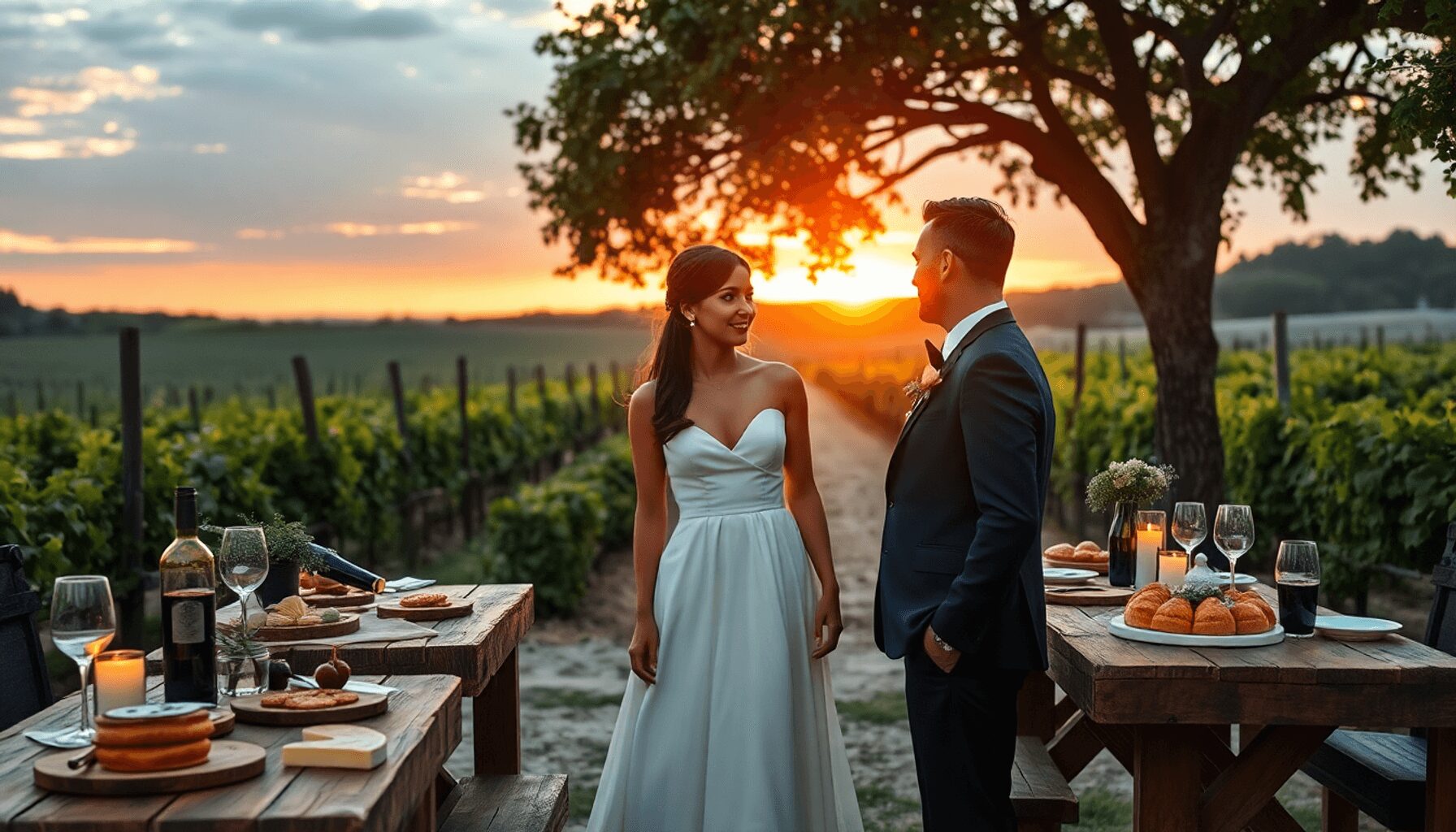
French wedding traditions blend centuries-old customs with modern sophistication, creating celebrations that feel both timeless and refined. When you attend a wedding in France, you're experiencing more than just a ceremony—you're witnessing a cultural expression of love, family, and community that's been carefully preserved through generations.
Understanding French marriage customs gives you insight into what the French value most: intimacy over extravagance, quality over quantity, and meaningful connections over superficial displays. These principles shape every aspect of wedding ceremonies in France, from the mandatory civil ceremony at the local town hall to the late-night festivities that stretch into the early morning hours.
What sets French weddings apart is their distinctive two-part structure, their emphasis on gourmet dining experiences, and their focus on creating an atmosphere where guests can genuinely connect and celebrate. You won't find massive bridal parties or over-the-top decorations. Instead, you'll discover elegant simplicity, regional culinary specialties, and rituals that carry deep symbolic meaning.
The French approach to weddings reflects their broader cultural philosophy: life's most important moments deserve to be savored slowly, shared with those who matter most, and celebrated with the finest food and wine available. This guide walks you through the essential elements of French wedding traditions, helping you appreciate the thoughtfulness behind each custom.
Key Elements of French Wedding Traditions
1. The Mandatory Civil Ceremony
In France, every couple must have a civil ceremony at their local town hall (mairie) to make their marriage legally binding. This official event is typically attended by close family members and friends and serves as the foundation for any religious or symbolic ceremonies that may follow.
2. The Religious or Symbolic Ceremony
After the civil ceremony, many couples choose to have a religious or symbolic ceremony that reflects their personal beliefs or values. This could be a church wedding, a humanist celebration, or any other type of ritual that holds significance for the couple.
3. The Reception Feast
Food plays a central role in French culture, and weddings are no exception. The reception usually features a lavish feast with multiple courses showcasing regional specialties. From coq au vin to bouillabaisse, each dish tells a story about the couple's heritage and culinary preferences.
4. Late-Night Festivities
French weddings are known for their lively after-parties called "la soirée." Once the formal dinner concludes, guests let loose on the dance floor while enjoying late-night snacks like croissants or cheese platters. It's not uncommon for celebrations to continue until dawn!
5. Meaningful Gestures
Throughout the day, couples often incorporate small gestures that hold deep meaning for them—whether it's exchanging handwritten vows during the ceremony or gifting personalized favors to each guest. These thoughtful touches add an extra layer of intimacy to an already special occasion.
How Venue Selection Influences Your Celebration
Finding a suitable venue is crucial when planning your dream wedding in France. The location you choose can significantly impact both the atmosphere of your celebration and its overall success.
One exceptional reception venue worth considering is Domaine de Vavril, nestled in Beaujolais wine country. With its picturesque landscapes and charming architecture, this hidden gem offers a unique setting for couples seeking an unforgettable backdrop for their nuptials.
To ensure every detail is taken care of—from decor setup to catering arrangements—the Domaine also provides an exclusive wedding planner service. Working closely with experienced professionals will help alleviate stress during such an important time while allowing you to focus on what truly matters: celebrating love!
Personalization Through Decoration Kits
Every couple deserves a wedding day that reflects their personality—an occasion where they can showcase their style preferences without compromising elegance or sophistication.
Domaine de Vavril understands this desire for personalization; hence they've recently launched an exclusive decoration kit designed specifically for couples hosting events at their venue!
This thoughtfully curated collection includes subtle yet refined table decorations inspired by nature's beauty—think organic materials like wood accents paired with soft linen textiles—perfectly complementing any rustic-chic theme while remaining versatile enough to suit various aesthetics!
Exploring Beaujolais: A Pre-or Post-Wedding Adventure
If you're looking to enhance your overall experience surrounding your wedding festivities consider exploring the beautiful Beaujolais region either before or after saying "I do."
The Domaine de Vavril offers opportunities for such exploration (link) ensuring there's ample time dedicated towards discovering all that this enchanting area has offer!
Whether it be indulging in wine tastings at local vineyards sampling artisanal cheeses visiting charming villages dotted throughout rolling hillsides—these activities provide perfect opportunities create lasting memories together as newlyweds!
Creating Unforgettable Memories with Friends & Family
After completing all necessary formalities associated with tying knot it's time let loose have some fun! One way achieve this is by renting out Domaine de Vavril weekend gathering friends family creating unforgettable memories together!
This video showcases some wonderful moments spent at this stunning location highlighting joy laughter shared among loved ones during special occasions such birthdays anniversaries reunions etc., serving as reminder importance cherishing relationships building connections through shared experiences!
Dual Ceremonies: Civil and Religious Traditions
The civil marriage in France follows a unique two-part structure that sets French weddings apart from many other Western celebrations. Every legal marriage in France must begin with a La Mairie ceremony—the official civil ceremony performed at the local town hall by the mayor or a deputy mayor.
This civil ceremony serves as the only legally recognized marriage in France. You can't skip this step, even if you plan to have a religious celebration afterward. The La Mairie ceremony typically includes:
- A reading of articles from the French Civil Code
- Exchange of vows and rings
- Signing of the marriage registry
- Presence of two to four official witnesses
The atmosphere at the town hall remains intimate and focused, usually attended only by immediate family members and close friends. You'll notice the ceremony itself is brief—often lasting just 20 to 30 minutes—yet holds profound legal significance.
Following the civil ceremony, many couples choose to hold a church wedding in France or other religious celebration. This second ceremony allows you to incorporate spiritual traditions and create the romantic atmosphere many couples desire. During traditional church weddings, the groom waits at the altar while the bride enters escorted by her father. The ceremony includes the exchange of rings, blessings, and often a full Catholic mass, creating a sacred and memorable experience for the couple and their guests.
However, not all couples opt for traditional ceremonies. Some choose to embrace modern trends such as having a wedding at a picturesque venue like Domaine de Vavril, which offers both civil and secular celebrations in an enchanting setting. This venue has been transformed into a luxurious wedding location after a passionate renovation of an 18th-century manor in Beaujolais, providing a perfect backdrop for such significant life events.
In addition to its stunning location, Domaine de Vavril also provides exclusive long weekend wedding packages that allow couples to fully enjoy their special day with family and friends without the usual time constraints. These packages offer not just a beautiful venue but also accommodation on-site for guests, making it an ideal choice for those looking to extend their wedding celebration over a long weekend.
Furthermore, choosing the right wines for your wedding can enhance your guests' experience significantly. Domaine de Vavril offers expert advice on selecting wines that pair perfectly with your wedding menu, ensuring that every detail of your wedding is meticulously planned.
For those still searching for their dream wedding venue, Domaine de Vavril has compiled ten essential tips to assist couples in finding their ideal location in Beaujolais, making it easier than ever to plan the perfect wedding.
Attire and Roles: Simplicity and Symbolism
The French bridal dress style embraces understated elegance rather than elaborate ornamentation. You'll notice French brides typically choose simple white or off-white gowns with clean lines and minimal embellishments. The focus centers on quality fabric and impeccable tailoring instead of excessive beading, lace appliqués, or dramatic trains. This refined approach reflects the French aesthetic philosophy that less is more.
Wedding attire France follows a conservative dress code for guests. Women wear sophisticated dresses or elegant suits in muted tones, while men don tailored suits or formal attire. You won't see the bright colors or casual outfits common at weddings in other cultures. The reserved palette ensures the bride remains the focal point without competing for attention.
The structure of witnesses in French weddings differs dramatically from Anglo-American traditions. You won't find large bridal parties with multiple bridesmaids and groomsmen. Instead, French couples select two to four témoins (witnesses) who serve an official legal function. These witnesses sign the marriage registry at the civil ceremony, making their role both symbolic and legally binding. They stand beside the couple during the ceremony but don't wear matching outfits or participate in choreographed entrances.
This streamlined approach reinforces the intimate nature of French weddings. The absence of extensive bridal parties keeps the focus on the couple and their immediate families, creating a warm atmosphere that prioritizes genuine connection over theatrical presentation.
Real-life experiences such as those shared by Clara and Quentin, who had their wedding at the beautiful Domaine de Vavril, reflect these sentiments perfectly. Similarly, Méline and Edouard's enchanting wedding at the same venue also highlights this unique aspect of French weddings, as they recount their unforgettable experience here.
When planning a wedding in France, particularly in regions like Beaujolais, it's essential to consider local customs and traditions. For instance, incorporating a charming outdoor cocktail party amidst the vineyards can add a unique touch to your celebration. You can find some valuable tips for organizing such an event here.
Moreover, no French wedding is complete without a selection of exquisite wines. Whether you prefer reds, whites, or rosés, exploring local vineyards for your wine selection can significantly enhance your wedding experience. For those interested in learning more about wines from this region, I recommend checking out this resource.
Unique Wedding Rituals in France
French wedding customs showcase distinctive rituals that set these celebrations apart from other Western traditions.
The Charming White Ribbon-Cutting Tradition
One of the most charming practices you'll encounter at a French wedding is the white ribbon-cutting tradition. Children from the wedding party stretch a white ribbon across the path of the newlyweds as they exit the ceremony venue. The couple must cut through this ribbon together, symbolizing their first challenge as a married pair and their ability to overcome obstacles united. This playful ritual creates memorable photo opportunities while carrying deep symbolic meaning.
The Heart of French Wedding Celebrations: Le vin d'honneur
Le vin d'honneur represents the heart of French wedding celebrations. This 2-3 hour cocktail reception takes place immediately following the ceremony, bringing together all wedding guests in a relaxed, convivial atmosphere.
During le vin d'honneur, you'll find elegantly arranged tables featuring:
- Regional pâtés and terrines
- Artisanal cheese selections from local fromageries
- Fresh oysters and seafood platters
- Charcuterie boards with cured meats
- Champagne and fine regional wines such as Morgon or Côte-de-Brouilly
This reception emphasizes quality over quantity, with carefully curated food and drink that showcase French culinary excellence. Guests mingle freely, offering congratulations to the couple while enjoying these refined refreshments. The timing allows everyone to celebrate together before the more intimate dinner reception begins, ensuring even those not invited to the evening meal can participate in the joy of the occasion.
Personal Touches in Recent Celebrations
In recent years, some couples have started incorporating personalized touches into their celebrations, such as [DIY customisation of wine bottles](https://vavril.fr/diy-customisation-bouteilles-vin-or) for table centerpieces or keepsakes. These unique elements add a personal touch to the festivities, making them even more memorable.
An Intimate Setting at Domaine de Vavril
At venues like Domaine de Vavril, couples can enjoy an intimate setting that perfectly complements their love story. As Maud passes the baton to Adeline at Domaine de Vavril, she leaves behind a legacy of assisting couples with energy and a smile, ensuring every wedding is a joyous occasion filled with unforgettable memories.
The Reception: Gourmet Dining and Festivities
The repas de noces (wedding meal) is the highlight of French wedding celebrations. It usually starts around 8 or 9 PM and goes on until the early morning hours. During this time, you'll enjoy a carefully planned multi-course feast with five to seven courses, each paired with delicious wines like the exquisite Chardonnay Blanc, known for its citrus and peach aromas.
Regional Wedding Cuisine
These elaborate dinners showcase the regional wedding cuisine of France. Each region proudly presents its culinary heritage, with dishes that reflect the local terroir:
- In southwestern France, you'll find foie gras served as an appetizer, followed by duck confit as a main course.
- Coastal regions showcase fresh seafood platters.
- Alpine areas feature hearty dishes like raclette or fondue.
Entertainment Between Courses
To keep guests entertained throughout the long dinner, various forms of entertainment are arranged between courses:
- Live musical performances or DJ sets
- Slideshow presentations featuring childhood photos of the couple
- Choreographed dances performed by friends and family
- Interactive games involving the newlyweds
Dancing and Late-Night Tradition
After the meal, the celebration continues with dancing that lasts until 4 or 5 AM. Just before guests leave, a traditional bowl of French onion soup is served—a comforting end to the festivities that helps sustain everyone after hours of celebration. This late-night tradition ensures guests depart nourished and satisfied, ready to reminisce about the joyous occasion.
Traditional Symbols and Favors in French Weddings
French weddings showcase distinctive sweet traditions that carry deep symbolic meaning. The centerpiece of dessert is the pièce montée cake, an architectural marvel that towers above the reception table. This isn't your typical tiered cake—it's a croquembouche dessert constructed from cream-filled choux pastry puffs held together with threads of caramel. The name literally translates to "crunch in the mouth," and you'll find this golden pyramid standing anywhere from one to several feet tall, often decorated with spun sugar, flowers, or ribbons. The height of the tower represents prosperity and the couple's aspirations for their future together.
Another striking visual element you'll encounter is the champagne tower. Guests watch as the newlyweds pour champagne from the top glass, letting it cascade down through multiple tiers of crystal coupes. This display represents abundance and the overflowing joy the couple wishes to share with their loved ones.
In addition to these sweet traditions, creating beautiful decorative corners at the wedding can enhance the overall ambiance. Whether it's a cozy lounge area, a fun photobooth, a stylish drinks corner, or a kid-friendly space, thoughtful decor can make a significant impact on the wedding experience.
French couples present their guests with dragées candy almonds—sugar-coated almonds packaged in elegant tulle pouches or decorative boxes. These aren't just random party favors. Each almond carries specific symbolism:
- Health
- Happiness
- Fertility
- Longevity
- Wealth
You'll typically receive five almonds, representing these five blessings the couple wishes for you. The bittersweet taste of the almond beneath the sugar coating symbolizes the nature of marriage itself—sweet moments mixed with life's challenges.
Regional Variations in French Weddings
France's diverse geography creates distinct wedding experiences across its regions.
Paris: Elegance and Sophistication
Paris wedding traditions showcase sophistication in historic venues like châteaux and elegant urban hotels, where couples exchange vows against backdrops of architectural grandeur. The city's refined atmosphere influences every detail, from designer gowns to haute cuisine menus.
Provence: Rustic Romance
Provence weddings transport you to rustic romance, where ceremonies unfold among endless lavender fields and sun-drenched vineyards. Stone farmhouses and bastides serve as intimate venues, with outdoor receptions featuring local rosé wines and herbs de Provence-infused dishes. The Mediterranean climate allows for enchanting garden celebrations under olive trees.
Beaujolais: Rustic Chic Elegance
For those seeking a blend of rustic charm and elegance, hosting a wedding at Le Domaine de Vavril, an 18th-century manor in the Beaujolais wine region, could be the perfect choice. This venue offers a stunning backdrop for a rustic chic wedding, seamlessly integrating the beauty of the surrounding landscape into the celebration.
Bordeaux: A Toast to Wine Heritage
Bordeaux wine culture weddings integrate the region's viticultural heritage into every aspect of the celebration. Vineyard estates host ceremonies among barrel rooms and tasting cellars, while reception menus pair each course with prestigious local wines. You'll find wine-themed décor and even vineyard tours incorporated into wedding festivities.
French Alps: Mountain Charm
Alpine chalet weddings bring mountain charm to matrimonial celebrations. Cozy wooden chalets nestled in the French Alps create warm, intimate settings where guests gather around crackling fireplaces. Winter weddings feature fondue stations and mulled wine, while summer mountain ceremonies offer breathtaking panoramic views.
Conclusion
French Wedding Traditions Explained reveal a celebration deeply rooted in family bonds in marriage celebrations rather than ostentatious displays. You'll find that French weddings prioritize meaningful connections—from the intimate civil ceremony at La Mairie to the extended vin d'honneur where guests mingle freely. The cultural symbolism in weddings shines through every element: the croquembouche tower representing prosperity, dragées symbolizing life's blessings, and the white ribbon ritual acknowledging marriage's challenges.
These traditions create joyous festivities that honor love through carefully curated experiences. The multi-course gourmet meals, regional specialties, and dancing until dawn all serve one purpose: bringing families together to celebrate a union. French weddings prove that elegance lies in thoughtful details and genuine celebration, not extravagance.
FAQs (Frequently Asked Questions)
What are the key components of traditional French wedding ceremonies?
Traditional French weddings typically involve dual ceremonies: a civil ceremony at the town hall (La Mairie) which legally recognizes the marriage, followed by a religious or symbolic ceremony such as a church wedding. The civil ceremony is intimate with close family, while the religious ceremony includes traditional elements like the bride being escorted by her father, exchange of rings, and blessings or mass.
How is wedding attire typically styled in French weddings?
French bridal attire is known for its simplicity and elegance, often featuring a white or off-white dress with minimal embellishments. Guests dress conservatively, and instead of large bridal parties, official witnesses sign the registry, emphasizing family unity and intimacy.
What unique rituals are commonly practiced in French weddings?
Unique French wedding rituals include the white ribbon-cutting tradition symbolizing overcoming obstacles in marriage and 'Le vin d'honneur,' a 2-3 hour cocktail reception featuring quality local foods like pâté, cheeses, and fine wines. This event focuses on socializing and celebrating immediately after the ceremony.
What is the structure and significance of the reception meal in French weddings?
The reception meal, known as 'repas de noces,' usually starts late evening with multiple gourmet courses including regional specialties such as foie gras and duck confit. It emphasizes fine dining paired with entertainment like shows, songs, dances, and photo presentations. Dancing continues until early morning with late-night French onion soup served before guests depart.
What traditional symbols and favors are featured in French weddings?
Traditional symbols include the pièce montée cake made from caramel-covered cream-filled pastries called croquembouche and champagne towers representing abundance. Candy-coated almonds called dragées are given as favors symbolizing health, happiness, fertility, longevity, and wealth.
How do French wedding traditions vary across different regions?
French wedding traditions vary regionally: Paris weddings are known for elegant urban settings; Provence offers rustic romance amid lavender fields and vineyards; Bordeaux integrates gourmet cuisine and renowned wine culture; Alpine weddings often take place in cozy chalets reflecting mountain charm. Each region brings unique cultural elements to their celebrations.