
Elopement Photography Tips for French Vineyard Settings
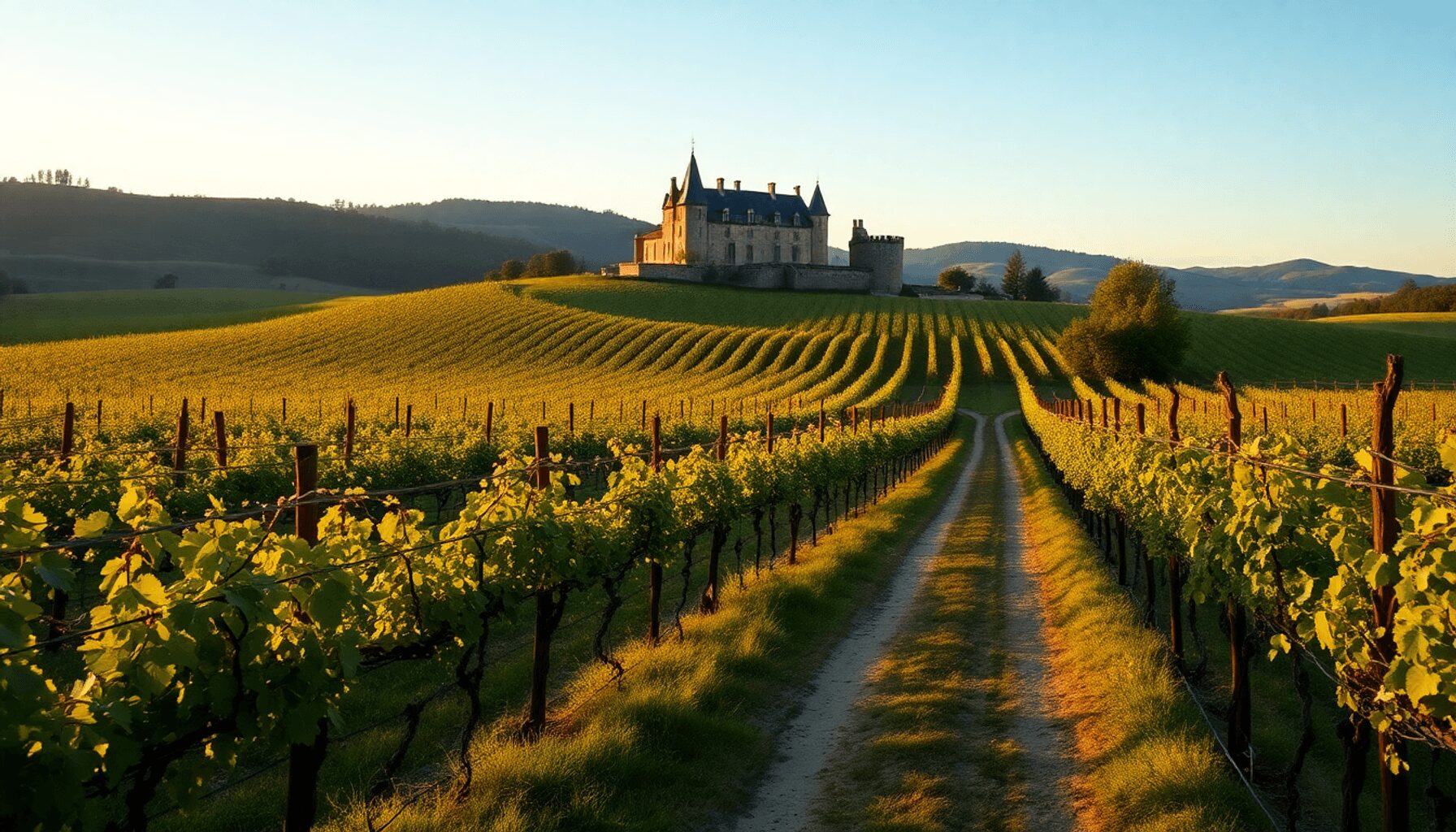
French vineyards offer something magical that few other locations can match for elopement photography. Picture this: endless rows of grapevines stretching toward distant horizons, centuries-old stone châteaux standing as silent witnesses to your love story, and that distinctive golden light filtering through leaves as the sun dips low over Bordeaux or Burgundy. Elopement photography in French vineyard settings combines rustic charm with sophisticated elegance, creating images that feel both timeless and deeply personal.
I've watched countless couples choose these stunning landscapes for their intimate celebrations, and I understand why. The French countryside doesn't just provide a backdrop—it becomes part of your story. The weathered barrels, the architectural details of historic wine estates, the organic patterns of vine rows creating natural leading lines—these elements work together to produce photographs that capture genuine emotion within breathtaking scenery.
You're here because you want to make the most of these romantic photography opportunities. Whether you're a photographer preparing for your first vineyard elopement shoot or a couple planning your own intimate celebration among the vines, you need practical guidance that goes beyond generic advice.
This article will walk you through the essential elopement photography tips for French vineyard settings that actually make a difference in your final images:
- Understanding what makes French vineyard landscapes uniquely photogenic
- Selecting the right venue based on light quality, scenic elements, and practical considerations
- Planning your photography session to maximize natural lighting conditions
- Mastering specific techniques that work best in outdoor vineyard environments
- Capturing both sweeping landscape shots and intimate emotional moments
You'll discover how to work with the natural architecture of these estates, leverage the changing light throughout the day, and create images that reflect both the grandeur of the setting and the intimacy of your celebration. These aren't theoretical concepts—they're field-tested approaches that produce consistently stunning results in French vineyard settings.
1. Exploring the Allure of French Vineyards
French vineyards are a photographer's paradise, offering breathtaking views that are hard to find anywhere else. As soon as you set foot on these sprawling estates, you'll be greeted by perfectly arranged rows of grapevines stretching as far as the eye can see. It's like stepping into a dream where every angle is picture-perfect.
The Beauty of Nature's Canvas
The rolling hills of famous wine regions such as Burgundy, Provence, and Bordeaux serve as stunning backdrops for your photoshoots. These undulating landscapes add depth and dimension to your frames, making them visually captivating.
"Nature always wears the colors of the spirit." – Ralph Waldo Emerson
Capturing Timeless Stories
The scenery itself speaks volumes about the rich history of winemaking in these areas. You'll come across weathered stone walls, rustic wooden gates, and ancient cellars that have witnessed countless grape harvests over the years. These elements exude a sense of charm and authenticity that elevate your elopement photography beyond ordinary outdoor settings.
A Touch of Elegance
One cannot overlook the grandeur of château architecture that graces many vineyard venues. From medieval fortresses to elegant Renaissance estates, each structure brings its own unique character to your photography portfolio. The limestone facades found in Bordeaux have an uncanny ability to catch and reflect light in ways that modern buildings simply cannot replicate.
Architectural Wonders
- Gothic arches
- Grand staircases
- Ornate iron balconies
These architectural features provide perfect framing opportunities for couple portraits, adding an air of sophistication to your images.
Seasonal Transformations
French vineyards undergo remarkable transformations with each passing season, presenting distinct photographic opportunities throughout the year:
- Spring: Vibrant green shoots and delicate blossoms
- Summer: Lush, full canopies creating natural shade
- Autumn: Golden and burgundy foliage with harvest activity
- Winter: Stark, geometric vine patterns against misty landscapes
Examples of Seasonal Diversity
Popular vineyard wedding venues beautifully showcase this diversity:
- Château Smith Haut Lafitte (Bordeaux): Combines a 14th-century tower with manicured gardens and endless vine rows.
- Provence Vineyard Venues: Often feature lavender fields adjacent to vineyards, adding purple hues to your color palette.
- Livermore Valley Vineyards: Known for their unique wine harvest season which offers a different yet stunning perspective for photographers.
The honey-colored stone buildings at Château Smith Haut Lafitte glow during golden hour, creating warm and romantic tones in photographs. Meanwhile, the Mediterranean light in Provence has a distinct quality—bright and clear—that renders colors with exceptional vibrancy.
Natural Beauty Beyond the Vines
The allure of these settings extends beyond just the grapevines themselves. Many French vineyard venues boast formal gardens, ancient oak trees, and picturesque water features such as fountains or reflecting pools. These elements provide variety within a single location, allowing you to create diverse looks without having to switch between multiple venues.
Creating Visual Contrast
The interplay between cultivated spaces (like perfectly aligned vines) and wild spaces (such as meadows filled with wildflowers) creates visual tension that makes vineyard photography all the more compelling. It
2. Choosing the Perfect Vineyard Venue for Elopement Photography
Venue selection can make or break your elopement photography experience in French vineyards. You need to evaluate multiple factors that directly impact the quality and aesthetic of your final images. The right location sets the stage for capturing those once-in-a-lifetime moments against the backdrop of France's most romantic landscapes.
Assessing Natural Light Availability
Natural light is your most valuable asset when shooting elopement photography in vineyard settings. You want to choose venues that offer diverse lighting opportunities throughout the day, giving you flexibility in scheduling and creative options for different moods.
Direction and Quality of Light
The orientation of vineyard rows matters significantly. North-facing vineyards provide softer, more consistent light throughout the day, while south-facing locations offer dramatic lighting changes that can create stunning golden hour effects. When scouting potential venues, observe how sunlight filters through the grape leaves—this dappled light creates beautiful, natural bokeh in your images.
- East-facing vineyards excel during morning sessions, bathing couples in warm, gentle light that's perfect for intimate portraits.
- West-facing locations shine during sunset elopements, offering those coveted golden and blue hour opportunities.
- You'll find that outdoor lighting in these settings changes dramatically within minutes, so understanding the venue's light patterns is essential for planning your shot list.
Seasonal Light Considerations
French vineyards transform with each season, and so does their natural light. Summer brings longer days with harsh midday sun, requiring you to plan around early morning or late evening sessions. Spring and fall offer softer, more diffused outdoor lighting that's forgiving and flattering. Winter sessions present unique challenges with shorter days but reward you with dramatic, low-angle light that adds depth and dimension to your compositions.
I've found that venues with open spaces between vine rows allow more natural light to reach your subjects, reducing the need for artificial fill light. Dense canopy areas work beautifully for creating moody, intimate portraits but require careful exposure management.
Light-Blocking Elements to Watch For
Not all vineyard venues offer equal natural light access. You need to identify potential obstacles:
- Dense tree lines that create heavy shadows during certain times of day
- Tall château walls that block afternoon sun
- Covered terraces that limit outdoor lighting options
- Hillside orientations that cause early sunset shadows
Visit potential venues at the same time you plan to shoot. A location that looks stunning at noon might fall into complete shadow by 4 PM, limiting your elopement photography opportunities.
Evaluating Scenic and Architectural Elements
The visual richness of French vineyard settings extends beyond the vines themselves. You're working with layers of scenic and architectural elements that add narrative depth to your elopement photography.
Vineyard Landscape Features
Rolling hills create natural leading lines that draw the eye through your compositions. You can position couples on elevated terrain to capture sweeping vineyard vistas behind them, or shoot from higher ground to showcase the geometric patterns of vine rows stretching toward the horizon. These expansive landscapes provide context and scale, reminding viewers that this elopement took place in one of France's most celebrated wine regions.
Look for venues that offer variety in their terrain:
- Flat vineyard floors work beautifully for wide-angle shots that emphasize the couple against endless rows of vines.
- Hillside locations provide elevation changes that add dynamic angles to your portfolio.
- Valley settings create natural frames, with vine-covered slopes rising on either side of your subjects.
Architectural Character
French vineyard châteaus bring historic elegance into your elopement photography. Stone facades weathered by centuries
Evaluating Scenic and Architectural Elements
The beauty of French vineyards comes from the combination of natural vineyard views and historic chateau buildings. When you're looking for places to take elopement photos, it's important to find opportunities to capture both elements together.
Dramatic Vineyard Landscapes as Your Canvas
French vineyards have a unique visual appeal that few other places can match. The organized rows of vines create natural lines that lead the viewer's eye towards your subjects. Throughout the year, these landscapes undergo significant changes—spring brings new green shoots, summer offers lush foliage, autumn showcases golden and red hues, and winter reveals the stark beauty of bare vines against misty backgrounds.
You'll want to position couples where these natural lines intersect. Standing between rows creates an intimate tunnel effect, while placing them at the top of a hill with rows cascading below establishes a sense of scale and grandeur. The rolling hills typical of regions like Bordeaux and Burgundy add depth to your compositions, allowing you to capture multiple layers of focus within a single frame.
Architectural Features That Define French Vineyard Elegance
Chateau architecture is more than just a backdrop—it tells a story in your elopement photography. These historic buildings have unique features that you can use to your advantage:
- Stone facades and weathered walls that add texture and timeless character
- Arched doorways and windows that naturally frame couples
- Wrought iron gates and balconies providing intricate detail work
- Terracotta rooflines that complement the earthy vineyard tones
- Cobblestone courtyards offering rustic charm at ground level
When choosing a venue, look for properties where these architectural elements are easily accessible and photogenic. Château Smith Haut Lafitte in Bordeaux, for example, combines neoclassical architecture with well-maintained gardens that seamlessly blend into working vineyards. This variety gives you multiple options for composing your shots within a single location.
Creating Depth Through Layered Compositions
Selecting the right vineyard venue is crucial for achieving compositional depth. You want places where you can effectively layer foreground, middle ground, and background elements. Position your couple in the middle ground with vine leaves or architectural details in the foreground, and distant hills or chateau towers in the background. This three-dimensional approach turns flat images into immersive scenes.
Natural light interacts differently with various architectural materials throughout the day. Stone walls absorb and reflect warm tones during golden hour, while glass conservatories create interesting light patterns. Outdoor lighting conditions shift dramatically based on how structures cast shadows across vineyard spaces. Take note of these interactions during your venue visit to understand where natural light will enhance both scenic and architectural elements simultaneously.
Identifying Unique Architectural Details
Every French vineyard property has distinctive features that make it special. Look for:
- Vintage wine barrels stacked in cellars with vaulted ceilings
- Original wine-making equipment displayed as historical artifacts
- Hand-carved wooden doors with ornate hardware
- Fountain features in formal gardens
- Stone staircases with iron railings leading to elevated terraces
These details provide intimate shooting opportunities that contrast beautifully with expansive landscape shots. You can create visual variety in your elopement photography by alternating between wide environmental portraits and tighter shots that highlight these architectural specifics.
Balancing Natural and Man-Made Elements
The most captivating vineyard elopement photos showcase the connection between cultivated landscapes and historic structures. Position couples where manicured gardens meet wild vineyard rows
Considering Logistics and Accessibility
The most breathtaking vineyard venue won't deliver stunning photographs if you can't physically reach the best shooting locations. Venue accessibility plays a critical role in determining whether your elopement photography session runs smoothly or becomes a logistical nightmare.
Assessing Terrain
When evaluating potential vineyard locations, you need to assess the terrain carefully. French vineyards often feature uneven ground, steep hillsides, and gravel pathways that can pose challenges for couples wearing formal attire. I've witnessed brides struggling to navigate cobblestone paths in heels while trying to maintain their composure for photos. You want to choose venues where the couple can move comfortably between shooting locations without exhausting themselves before the best shots are captured.
Vehicle Access
Vehicle access to key photography spots deserves your attention during venue selection. Some vineyards restrict car access to certain areas, requiring you to walk significant distances with equipment. If you're carrying multiple camera bodies, lenses, lighting equipment, and backup gear, a 20-minute hike through vineyard rows becomes physically demanding. Ask venue coordinators about:
- Parking availability near primary shooting locations
- Permission to drive between different areas of the property
- Alternative routes if weather conditions make certain paths impassable
- Equipment storage options if you need to leave gear temporarily
Nearby Accommodations
The proximity of nearby accommodations directly impacts your photography timeline and the couple's stress levels. French vineyard regions like Bordeaux, Burgundy, and Champagne offer varying levels of lodging infrastructure. Venues located within 10-15 minutes of quality hotels or charming bed-and-breakfasts provide flexibility for outfit changes, touch-ups, or brief rest periods during extended photography sessions.
I've worked with couples who chose remote vineyard locations requiring 45-minute drives from their accommodations. The travel time compressed our shooting schedule, limited our ability to capture multiple lighting conditions, and added unnecessary pressure to an otherwise intimate experience. You'll capture more authentic, relaxed moments when couples aren't worried about lengthy commutes.
Vendor Coordination
Vendor coordination becomes significantly easier when your chosen vineyard offers good accessibility. Hair and makeup artists need adequate space and lighting for preparations. Florists delivering arrangements require clear directions and accessible drop-off points. If you're incorporating additional elements like a small ceremony setup or champagne toast, vendors need straightforward access to deliver and arrange these details. This is why effective vendor coordination is essential for a successful event.
Seasonal Accessibility
Consider the seasonal accessibility of your selected venue. That picturesque dirt road winding through the vines might become muddy and impassable after spring rains. Winter elopements in French vineyards present different challenges, with shorter daylight hours and potentially icy conditions affecting both safety and photography opportunities. I always recommend backup indoor locations within the venue for unpredictable weather scenarios.
Distance Between Key Locations
The distance between key shooting locations within the vineyard property affects your ability to maximize natural light during golden hour. If the château entrance, barrel room, and scenic overlook are spread across the property with 10-minute walks between each spot, you'll miss precious minutes of optimal lighting. Compact venues where primary locations sit within a 5-minute radius allow you to capture diverse compositions without sacrificing that magical light quality.
Restroom Facilities
3. Planning Your Elopement Photography Session in French Vineyards
Session planning separates mediocre elopement photography from extraordinary results. French vineyards present unique opportunities and challenges that require careful preparation. You need to understand how these romantic settings behave throughout the day, how light interacts with the landscape, and how to coordinate all the moving parts of an elopement shoot.
The difference between a good photo and a breathtaking one often comes down to preparation. I've seen couples disappointed because they didn't account for harsh midday sun washing out the delicate details of their ceremony, or photographers scrambling when they realized the château's best angles were in shadow during their scheduled time slot.
Timing Visits for Optimal Lighting Conditions
Visiting your chosen vineyard venue before the actual elopement day isn't optional—it's essential. Lighting conditions in French vineyards change dramatically throughout the day, and what looks magical at 8 AM might appear completely different at 2 PM. You need to experience these transformations firsthand to make informed decisions about your session planning.
Early morning visits reveal:
- Soft, diffused light that creates a dreamy atmosphere across the vine rows
- Gentle shadows that add dimension without harsh contrasts
- Morning mist that often settles in valleys, creating ethereal backdrops
- Cooler temperatures that keep couples comfortable during longer shoots
- Quieter vineyard operations with fewer workers and tourists
I recommend arriving at your venue at least twice during the planning phase—once during golden hour (the first hour after sunrise or the last hour before sunset) and once during midday. This approach gives you a complete picture of how natural light behaves across the property.
Golden hour advantages in vineyard settings:
The warm, angled light during golden hour transforms French vineyards into something truly magical. You'll notice how the sun creates long shadows between vine rows, adds a golden glow to stone château walls, and illuminates the landscape with rich, saturated colors. During my pre-shoot visits to vineyards in Provence, I've documented exactly where the sun hits specific architectural features, which vine rows receive the most flattering light, and where shadows create interesting patterns.
Take detailed notes during these timing visits. Mark the exact times when certain areas receive optimal light. Photograph the same spots at different times to create a visual reference guide. I use my phone to take quick snapshots with timestamps, creating a lighting map that helps me plan the perfect schedule for elopement photography.
Midday light challenges and solutions:
Midday sun in French vineyards can be brutal. The overhead light creates unflattering shadows under eyes and noses, washes out colors, and produces harsh contrasts that cameras struggle to handle. During your venue visits, identify shaded areas where you can retreat during peak sun hours:
- Covered terraces attached to tasting rooms
- Tree-lined paths between vineyard sections
- Interior spaces within châteaus with large windows
- North-facing walls that remain in shade
- Pergolas or arbors covered with vines
These backup locations become invaluable when your elopement photography session extends through midday hours. You can move couples into these spaces for intimate portraits while waiting for more favorable lighting conditions to return.
Seasonal considerations for timing visits:
French vineyards look completely different depending on the season, and lighting conditions vary accordingly. Spring brings fresh green vines and longer days with gentle light. Summer offers lush, full foliage but intense midday sun. Autumn provides golden leaves and harvest activities that add visual interest. Winter reveals bare vines and dramatic architecture with lower, softer light throughout the day.
Collaborating with Local Photographers and Planners Familiar with Vineyard Settings
Working with local photographers who specialize in French vineyard settings transforms your elopement photography experience from good to exceptional. These professionals bring intimate knowledge of the terrain, understand the nuances of how light interacts with grapevines at different times of year, and know exactly where to position you for the most breathtaking shots.
I've witnessed firsthand how a photographer familiar with a specific vineyard can anticipate moments before they happen. They know which stone wall catches the afternoon sun perfectly, where the morning mist settles among the vines, and which angles showcase both the château architecture and the rolling hills beyond. This expertise eliminates guesswork during your session planning and maximizes every minute of your elopement day.
Key advantages of hiring experienced vineyard photographers:
- Intimate venue knowledge – They've scouted locations during different seasons and understand how the landscape changes with harvest cycles
- Established relationships – Local photographers often have connections with vineyard staff, making it easier to access restricted areas for unique shots
- Weather contingency plans – Experience with regional weather patterns means they know backup locations when conditions shift unexpectedly
- Efficient workflow – Familiarity with the property layout allows for seamless transitions between shooting locations without wasting precious time
The collaboration between photographer and planner becomes particularly valuable when coordinating lighting conditions with your ceremony timeline. A local photographer who works regularly with vineyard venues can advise planners on realistic schedules that account for the property's specific orientation, surrounding trees that might create shadows, and seasonal sun positions.
When you're investing in elopement photography at a French vineyard, you're not just hiring someone to click a shutter. You're partnering with someone who understands the relationship between the vines, the architecture, and the light. These photographers recognize that the terroir—that special combination of soil, climate, and landscape—extends beyond winemaking into visual storytelling.
Local photographers also understand the cultural context of French vineyard settings. They know how to incorporate regional elements that add authenticity to your images: the weathered wooden barrels in the cellar, the traditional wine-making tools displayed as art, the specific way sunlight filters through century-old windows in the tasting room. This attention to detail elevates your photos from beautiful to meaningful.
Creative storytelling flourishes when photographers understand their environment deeply. A photographer experienced with vineyard settings won't just pose you against pretty backgrounds—they'll weave the essence of the location into your narrative. They might capture you walking between vine rows with the château framed perfectly in the distance, or photograph your hands intertwined with grape clusters hanging nearby, symbolizing growth and abundance.
The technical expertise matters too. Vineyard settings present unique challenges: high contrast between bright sky and shadowed vines, wind that moves foliage constantly, and vast spaces that can make couples feel lost in the frame. Photographers who regularly work in these environments have developed techniques to handle these challenges while maintaining the romantic, intimate feel essential to elopement photography.
Session planning becomes exponentially more effective when your photographer can provide specific recommendations based on actual experience. Instead of generic advice about golden hour, they'll tell you that the west-facing terrace at your chosen vineyard catches spectacular light between 6:30 and 7:15 PM in September, or that the morning fog creates ethereal conditions in the lower vineyard sections during early October.
Consider asking potential photographers about their familiarity with your specific venue. Request examples of previous work at that location or similar properties. A photographer who can show you a portfolio of vineyard e
4. Mastering Photography Techniques Tailored to French Vineyard Elopements
French vineyard settings demand a specific approach to elopement photography. You need to master techniques that capture both the grandeur of these historic estates and the intimate moments between couples. The rolling hills, endless vine rows, and architectural elements create unique opportunities that require thoughtful composition and technical skill.
Capturing Intimate Moments Against Expansive Landscapes Using Wide-Angle Lenses Effectively
Wide-angle lenses become your best friend when shooting elopement photography in French vineyards. These lenses allow you to tell two stories simultaneously—the couple's intimate connection and the breathtaking environment surrounding them. A 24mm or 35mm lens lets you position your couple close to the camera while still capturing rows of vines stretching toward distant châteaus.
The key to balancing intimacy with expansive landscapes lies in your positioning and composition:
- Place your couple in the foreground, typically within 3-6 feet of your camera
- Use the natural lines of vine rows to draw the viewer's eye toward the couple
- Include architectural elements like stone walls or château towers in the upper third of your frame
- Shoot from a lower angle to emphasize both the couple and the sweeping landscape behind them
You'll find that shooting at f/8 or f/11 keeps both your subjects and the background vineyard scenery in acceptable focus. This depth of field creates images where viewers can appreciate the couple's expressions while simultaneously absorbing the scale and beauty of the French vineyard setting.
I've discovered that the 16-35mm range works exceptionally well when couples are walking hand-in-hand through vine rows. You can capture their entire bodies, their interaction with each other, and the geometric patterns created by the organized vineyard plantings. The distortion at 16mm can actually enhance the drama of the landscape, making those rolling hills appear even more majestic.
Practical composition techniques for intimate photography within expansive landscapes:
- Position couples at the intersection of vine rows for natural framing
- Use the rule of thirds, placing the couple off-center while allowing the landscape to fill the remaining space
- Shoot during golden hour when warm light bathes both subjects and scenery
- Include foreground elements like grape clusters or leaves to add depth
The challenge with wide-angle lenses is avoiding the trap of making your couple appear too small within the frame. You want them to remain the focal point despite the grandeur surrounding them. I recommend shooting at different distances—some frames where the couple dominates the composition, others where they're smaller but still clearly the subject of interest.
Highlighting Unique Details That Tell a Story About The Couple's Relationship
Detail shots transform elopement photography from simple documentation into storytelling. French vineyards offer countless opportunities for capturing meaningful details that reflect both the location and the couple's personal narrative. You need to train your eye to spot these moments and elements that might seem insignificant but carry emotional weight.
Essential detail shots for vineyard elopements:
- Wedding rings placed on wine barrels or grape leaves
- The couple's hands intertwined with vineyard elements in the background
- Bouquets featuring local flowers and grapevine accents
- Handwritten vows on vintage paper photographed against weathered stone
- Wine bottles with custom labels commemorating the elopement
- The bride's shoes on cobblestone pathways
- Close-ups of dress details with soft-focus vineyard backgrounds
I always photograph the couple's personal mementos—perhaps a family heirloom they've incorporated, love letters they've exchanged, or items
Highlighting Unique Details That Tell a Story About The Couple's Relationship (Optional)
The magic of elopement photography in French vineyards extends beyond sweeping landscape shots and romantic portraits. You need to train your eye to spot the small, intimate details that reveal the couple's unique story. These detail shots serve as visual anchors that transform a beautiful photo collection into a deeply personal narrative.
Personal Mementos Create Authentic Connections
I've learned that the most compelling elopement photography happens when you capture items that hold genuine meaning for the couple. Look for heirloom jewelry passed down through generations, handwritten vows tucked into a pocket, or a vintage watch that belonged to a grandparent. These storytelling elements add layers of emotional depth to your portfolio.
When photographing these details in French vineyard settings, you can use the natural textures around you as backdrops. Place rings on weathered grapevines, arrange love letters against rustic wooden wine barrels, or photograph the couple's shoes beside ancient stone walls. The contrast between personal items and the timeless vineyard environment creates powerful visual metaphors about enduring love.
Floral Arrangements as Narrative Devices
The bouquet deserves more than a quick snapshot. You should examine the flower choices—did the couple select lavender to honor Provence's heritage? Are there specific blooms that reference their first date or a shared memory? These photography techniques help you document not just what the flowers look like, but what they represent.
I position floral arrangements in various vineyard locations to capture different moods:
- Against sun-drenched grape leaves for a bright, optimistic feel
- Nestled in wine crates for rustic authenticity
- Held against château architecture for elegant sophistication
- Scattered on vineyard pathways to show the journey ahead
Cultural and Regional Details
French vineyard elopements offer distinctive elements you won't find elsewhere. Capture the wine labels if the couple chose a specific vintage that's meaningful to them. Photograph the château's family crest if it connects to their heritage. Document the traditional French bread and cheese spread if it reflects their shared love of culinary experiences.
You'll find that these detail shots become conversation starters when couples share their photos. Each image prompts a story, a memory, a reason why they chose that particular element for their special day.
Styling Details That Reflect Personality
Pay attention to how couples personalize their elopement day. A bride might wear her grandmother's lace handkerchief tucked into her dress. A groom could sport cufflinks engraved with coordinates of where they first met. These intimate photography moments require you to be observant and curious about the couple's choices.
I make it a practice to ask couples before the shoot about any special items they're bringing. This preparation allows me to plan specific shots that highlight these treasures against the vineyard's natural beauty. You can photograph a family heirloom necklace draped over a wine bottle, or capture monogrammed handkerchiefs resting on a stone bench overlooking the vines.
Documenting the Sensory Experience
Elopement photography tips for French vineyard settings should include capturing details that evoke the full sensory experience. Photograph the texture of grape leaves, the condensation on a glass of local wine, the way sunlight filters through the vineyard canopy. These images transport viewers into the moment, making them feel the warmth of the French countryside.
Close-up shots of hands intertwined while holding wine glasses, or fingers tracing the bark of ancient vines, tell stories about touch and connection.
Using Natural Light Creatively In Outdoor Settings To Create Mood And Atmosphere
Natural light can turn ordinary vineyard scenes into extraordinary visual stories. French vineyards have varying light conditions throughout the day, and knowing how to work with these changes can make your elopement photography stand out. Instead of just accepting whatever lighting conditions you find, see natural light as a creative tool.
Golden Hour Magic in Vineyard Rows
The hour after sunrise and before sunset delivers the most flattering light for elopement photography in vineyard settings. During these times, the sun sits low on the horizon, casting a warm, golden glow across the grape vines and creating long, dramatic shadows that add depth to your compositions. Position your couple between the rows of vines with the sun behind them to create a beautiful rim light effect that separates them from the background. This technique produces a romantic halo around their silhouettes while maintaining detail in their faces through reflected light bouncing off the surrounding foliage.
I've found that shooting slightly into the sun during golden hour creates stunning lens flare effects that enhance the dreamy, romantic quality of vineyard elopements. You'll want to adjust your exposure to prevent your couple from becoming complete silhouettes unless that's the artistic effect you're pursuing.
Harnessing Midday Light Challenges
Harsh midday sun typically poses challenges for photographers, but French vineyards present unique opportunities to work creatively with this intense light. The architectural elements common in vineyard estates—stone archways, covered terraces, and château walls—provide natural shade that creates beautiful contrast with the sunlit landscape beyond.
Position your couple in these shaded areas and expose for their faces, allowing the bright vineyard background to slightly overexpose. This technique creates a luminous, ethereal quality that emphasizes the couple while maintaining the sense of place. The contrast between cool shadows and warm sunlight adds visual interest and depth to your images.
You can also use the vine canopy itself as a natural diffuser. When the sun filters through grape leaves, it creates dappled light patterns that add texture and visual complexity to your portraits. Look for areas where the foliage is dense enough to soften the light but sparse enough to allow interesting light patterns to fall across your couple.
Cloudy Day Advantages
Overcast conditions shouldn't disappoint you when shooting elopement photography in French vineyards. Cloud cover acts as a massive softbox, providing even, diffused light that eliminates harsh shadows and reduces contrast. This lighting condition works beautifully for capturing intimate moments and emotional expressions without the distraction of dramatic lighting.
The soft light of cloudy days allows you to focus on the expansive landscapes without worrying about blown-out skies or deep shadows obscuring important details. You'll capture richer colors in the vineyard foliage and more detail in both highlights and shadows. The muted tones create a romantic, timeless quality that complements the historic elegance of French vineyard settings.
Backlighting for Emotional Impact
Backlighting creates some of the most emotionally powerful images in elopement photography. Place your couple between your camera and the light source—whether it's the sun, open sky, or a bright window in a château. This positioning creates a natural separation between your subjects and the background while adding a soft glow around their edges.
When shooting backlit scenes in vineyards, you need to decide whether to expose for your couple's faces or create a silhouette. For properly exposed faces, use fill flash at a low power setting or position a reflector to bounce light back onto your subjects. For silhouettes, expose for the bright background an
5. Final Tips for a Memorable Vineyard Elopement Photography Experience
You've learned about lighting, composition, and technical approaches—now let me share the practical wisdom I've gathered from shooting countless elopements in French vineyards. These final tips will help you avoid common pitfalls and create images that truly resonate.
Embrace the Unpredictability of Weather
French vineyard weather can shift dramatically within hours. I've photographed elopements where morning fog transformed into brilliant sunshine, then cloudy skies by afternoon. You need backup plans for every scenario. Scout covered areas like wine cellars, barrel rooms, or château porticos where you can continue shooting if rain arrives. Some of my most atmospheric images came from unexpected weather—mist rolling through vine rows creates an ethereal quality you can't replicate on clear days.
Respect Vineyard Operations and Harvest Schedules
Working vineyards are active agricultural businesses. You must coordinate with vineyard managers about harvest times, which typically run from late August through October in most French regions. During harvest, tractors move through rows, workers pick grapes, and access becomes restricted. I learned this the hard way when a planned shoot coincided with harvest operations at a Burgundy estate. The noise, equipment, and activity made photography nearly impossible. Always confirm your dates won't conflict with critical vineyard work.
Build Extra Time Into Your Schedule
Vineyard properties are often expansive. Walking from the château to the furthest vine rows might take 15-20 minutes. You'll want time for your couple to catch their breath, adjust their attire, and simply absorb the moment. I typically schedule 3-4 hours for vineyard elopement sessions, even though active shooting might only occupy two hours. This buffer allows for:
- Wardrobe changes or adjustments
- Spontaneous moments when couples want to pause and enjoy the setting
- Travel time between different areas of the property
- Unexpected opportunities like a stunning sunset or interesting cloud formations
Coordinate with Venue Staff for Behind-the-Scenes Access
Many French vineyard estates offer areas not typically accessible to the public. Wine caves, private tasting rooms, historic cellars with centuries-old barrels—these spaces provide incredible variety in your shot list. When booking, ask specifically about these locations. I've photographed couples in underground cellars where the stone walls and dim lighting created moody, romantic portraits that contrasted beautifully with bright outdoor vineyard shots.
Prepare Your Couple for the Terrain
Vineyard rows aren't paved walkways. Your couple will navigate uneven ground, potentially muddy soil, and grape vines that can snag delicate fabrics. I always advise brides to bring comfortable shoes for walking between locations, even if they'll wear heels for photos. Dress hems should be manageable—excessively long trains become problematic in vineyard settings. Consider suggesting a bustle or having someone available to help manage the dress while moving through the property.
Capture the Seasonal Character
Each season brings distinct visual qualities to French vineyards:
- Spring: Fresh green leaves, flowering vines, soft light
- Summer: Lush foliage, developing grape clusters, warm golden tones
- Autumn: Harvest activity, changing leaf colors, dramatic skies
- Winter: Bare vines creating geometric patterns, stark beauty, potential snow
You should discuss seasonal characteristics with your couples during planning. A September elopement offers completely different aesthetics than a March ceremony. Neither is better—they're simply different stories.
Incorporate Local Elements Authentically
FAQs (Frequently Asked Questions)
What makes French vineyard settings ideal for elopement photography?
French vineyard settings offer a unique blend of natural beauty and historic elegance, featuring rolling hills, chateaus, and rustic charm that create a perfect romantic backdrop for stunning elopement photography.
How should couples choose the perfect vineyard venue for their elopement photography?
Couples should select vineyard venues with ample natural light, scenic landscapes, and distinctive architectural elements like chateaus. Considering logistics such as venue accessibility and nearby accommodations also ensures a smooth and convenient photography experience.
Why is timing important when planning an elopement photography session in French vineyards?
Timing is crucial to capture optimal lighting conditions. Visiting the venue beforehand helps understand how natural light changes throughout the day, allowing photographers to schedule shoots during the most flattering daylight hours for beautiful, well-lit images.
What are some effective photography techniques for capturing elopements in French vineyards?
Balancing intimate close-up shots with expansive wide-angle views of the vineyard conveys both emotion and scale. Highlighting unique details like floral arrangements and using natural light creatively to add mood and atmosphere enhances the storytelling aspect of the photographs.
How can collaborating with local photographers enhance an elopement photography session in French vineyards?
Local photographers bring valuable experience and familiarity with vineyard settings, understanding unique lighting challenges and scenic opportunities. Their expertise helps capture authentic moments while making full use of the picturesque surroundings.
What final tips can help ensure a memorable vineyard elopement photography experience?
Careful planning including venue selection, timing visits for optimal light, collaborating with experienced local professionals, and utilizing tailored photography techniques all contribute to creating stunning visuals that truly capture the essence of love amidst enchanting French vineyard landscapes.