
Complete Wedding Planning Checklist for Overseas Weddings
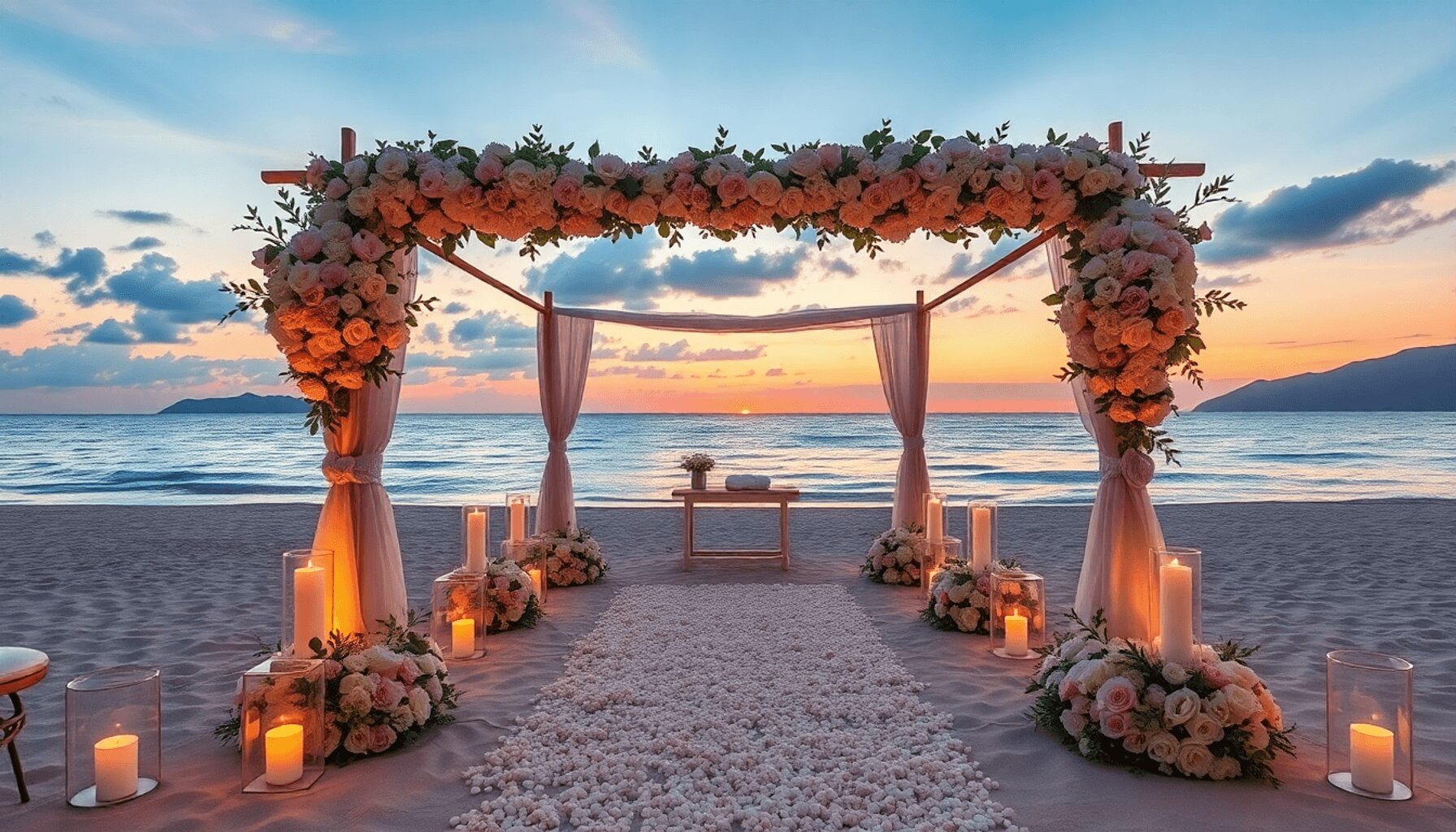
Picture this: exchanging vows on a sun-drenched beach in Bali, saying "I do" against the backdrop of Santorini's iconic white buildings, or celebrating your union in a centuries-old castle in Ireland. Overseas weddings have transformed from rare luxury events into an increasingly popular choice for couples worldwide.
The appeal is undeniable. You get to combine your wedding day with an unforgettable vacation experience, often at a fraction of the cost of a traditional hometown celebration. Your guests receive a built-in holiday, and you create memories in a stunning location that holds special meaning for you and your partner. Recent statistics show that destination weddings now account for approximately 25% of all weddings, with couples choosing exotic locations from the Caribbean to Southeast Asia, from European countryside venues to tropical island paradises.
But here's the reality: planning an overseas wedding involves significantly more complexity than organizing a local celebration. You're coordinating across different time zones, navigating unfamiliar legal requirements, managing language barriers, and arranging logistics for vendors you may never meet in person until days before your big day.
A comprehensive destination wedding checklist isn't just helpful—it's absolutely essential.
Without proper planning and organization, you risk missing critical deadlines for marriage license applications, overlooking important travel requirements for your guests, or discovering that your dream venue is already booked. I've seen couples scramble to secure accommodations for their guests just weeks before their wedding date, and I've watched others struggle with unexpected legal complications that could have been avoided with early research.
This complete wedding planning checklist for overseas weddings will guide you through every phase of the planning process, from that initial spark of inspiration 12 months out to the post-wedding celebrations. You'll learn exactly what to do, when to do it, and how to avoid the common pitfalls that trip up even the most organized couples. Whether you're planning an intimate elopement for two or a grand celebration with 100 guests, this overseas wedding planning roadmap will help you navigate the journey with confidence and clarity.
1. Initial Planning Phase (9-12 Months Before)
The foundation of your overseas wedding begins nearly a year before you say "I do." This early planning phase sets the tone for everything that follows, and rushing through these decisions can create unnecessary stress down the road.
Defining Your Wedding Style and Budget
Your wedding style should feel authentically you—not what Instagram tells you it should be. I've seen couples try to replicate trendy destination weddings they've seen online, only to realize halfway through planning that it doesn't match their personalities at all.
Start by having honest conversations about what matters most to you both. Are you drawn to intimate beachside ceremonies with just your closest family members, or do you envision a grand celebration at a historic European castle? Do you want barefoot elegance or formal sophistication? These questions shape every decision that follows.
Budget considerations for overseas weddings differ significantly from domestic celebrations:
- Travel costs for the wedding party – You'll need to decide whether you're covering flights and accommodations for your bridal party or if they're responsible for their own expenses
- Vendor deposits in foreign currency – Exchange rates fluctuate, and you might lose money on conversion fees if you're not strategic
- Shipping costs for wedding attire and décor – Airlines charge hefty fees for extra luggage, and international shipping can run into hundreds of dollars
- Extended stay expenses – Most destination weddings span 3-5 days, meaning additional meals, activities, and accommodations for you as the couple
- Legal documentation fees – Apostilles, translations, and expedited processing of marriage documents add up quickly
- Travel insurance – Non-negotiable when you're investing thousands in a wedding abroad
I recommend adding a 20-30% buffer to your initial budget estimate. When I planned my cousin's wedding in Santorini, we thought we had everything covered until we discovered the cost of transporting floral arrangements up those iconic cliffside steps. That "small detail" added €800 to the final bill.
Create a detailed spreadsheet tracking every expense category. Tools like Google Sheets work perfectly for this—you can share it with your partner and update it in real-time as quotes come in. Break down your budget into percentages: typically, venue and catering consume 40-50% of your budget, photography and videography take 10-15%, and the remaining funds cover everything from florals to entertainment.
Choosing Your Wedding Destination
Selecting where you'll marry involves balancing romance with practicality. You might dream of getting married in Bali, but if 80% of your guest list lives on the East Coast of the United States, you're asking people to commit to a 20+ hour journey.
Consider these factors when narrowing down potential destinations:
- Guest accessibility – How many flights will most guests need to take? Are there direct routes from your home city?
- Peak season vs. off-season timing – Prices in popular destinations like the Caribbean can triple during high season
- Language barriers – Will you need translators for vendor meetings and legal proceedings?
- Climate patterns – Research historical weather data for your preferred month, not just average temperatures
- Cultural and religious considerations – Some countries have restrictions on interfaith or same-sex marriages
- Guest experience beyond the wedding – Is there enough to do if guests arrive early or stay after?
Creating a shortlist of three destinations and comparing them side-by-side helps clarify priorities. Make a comparison chart with columns for each destination listing out pros and cons based on the factors above.
2. Organizing Key Details Early On (6-9 Months Before)
The six-to-nine-month mark represents a critical window where your destination wedding shifts from concept to concrete reality. You'll need to tackle two major components that will shape every other decision moving forward: guest list management and venue selection overseas.
Creating Your Destination Wedding Guest List
Building a guest list for an overseas wedding requires a different approach than traditional celebrations. You're not just collecting names—you're assembling a group of people willing and able to travel internationally for your special day.
Start by creating a comprehensive spreadsheet that includes:
- Full legal names (as they appear on passports)
- Email addresses and phone numbers
- Mailing addresses for formal invitations
- Passport expiration dates
- Dietary restrictions and food allergies
- Special accommodation needs
- Plus-one status
Destination weddings naturally create a more intimate guest list. The average overseas wedding hosts between 50-75 guests compared to 130-150 for domestic celebrations. You'll want to have honest conversations with your partner about who makes the cut. Consider these factors when narrowing down your list:
Relationship proximity: Close family members and your inner circle of friends typically receive priority. These are the people who've been integral to your relationship journey.
Travel capability: Some guests may have health concerns, financial limitations, or work commitments that make international travel challenging. You can reach out informally to gauge interest before sending official invitations.
Children and families: Decide early whether you're planning an adults-only celebration or welcoming children. This decision significantly impacts venue selection and accommodation planning.
I've seen couples struggle with guilt over not inviting certain relatives or friends. Remember—choosing a destination wedding inherently means a smaller celebration. Most people understand this reality and won't take offense.
Managing Guest Communication from the Start
Once you've finalized your preliminary list, collect detailed contact information immediately. Create a shared document or use wedding planning software to keep everything organized. You'll reference this information constantly over the coming months for:
- Sending preliminary travel information
- Coordinating group hotel bookings
- Sharing flight deals and travel tips
- Distributing itinerary updates
- Managing RSVPs and meal selections
Consider creating different guest categories in your system: "Definitely Attending," "Likely Attending," "Maybe," and "Unable to Attend." This helps you track responses and make informed decisions about venue capacity.
Venue Selection Overseas: What You Need to Know
Venue selection overseas requires significantly more research and due diligence than booking a local venue. You're working across time zones, potentially in a different language, and without the ability to visit multiple times before committing.
Research Methods That Actually Work
Here are some effective research methods you can use when selecting an overseas venue:
- Virtual tours and video calls: Request live video walkthroughs with venue coordinators. Don't settle for pre-recorded tours—you want to ask specific questions and see spaces from different angles in real-time.
- Review analysis: Read reviews on multiple platforms including Google, TripAdvisor, wedding-specific sites, and local forums. Look for patterns in feedback rather than focusing on individual complaints.
- Wedding planner connections: Local wedding planners have insider knowledge about venues that online research can't provide. They know which venues deliver on promises and which oversell their capabilities.
- Destination wedding groups: Join Facebook groups and online communities specific to your destination. Real couples share unfiltered experiences and recommendations you won't find in official marketing materials.
Essential Venue Vetting Questions
Before committing to any overseas venue, you need answers to these critical questions
3. Booking Essential Services in Advance (4-6 Months Before)
The 4-6 month window before your destination wedding is a critical time to secure the professionals who will make your vision a reality and ensure your marriage is legally recognized. This phase of your Complete Wedding Planning Checklist for Overseas Weddings requires strategic planning and thorough research to avoid last-minute issues.
Securing an Officiant Who Meets Faith and Legal Requirements
Hiring officiant abroad presents unique challenges that differ significantly from domestic weddings. You need someone who can legally perform marriages in your chosen destination while respecting your religious or spiritual preferences.
Research the Legal Requirements
Start by researching the legal framework of your destination country. Some locations require government-appointed officials to perform the ceremony, while others recognize religious leaders or allow you to bring your own officiant from home. For example, in France, all marriages must first be performed by a mayor or deputy at the town hall before any religious ceremony can take place. In contrast, destinations like Jamaica and Mexico offer more flexibility with recognized wedding officiants.
Ask Specific Questions When Vetting Officiants
When vetting potential officiants, ask these specific questions:
- Are you legally authorized to perform marriages that will be recognized in [destination country]?
- Have you officiated destination weddings for couples from other countries?
- What documentation do you need from us before the ceremony?
- Can you accommodate our religious or cultural traditions?
- What is your backup plan if you're unable to attend due to illness or emergency?
Request References and Consider Language Barriers
Request references from couples who hired the officiant for their destination weddings. You want someone who understands the nuances of international marriage requirements and won't create legal complications that could invalidate your marriage back home.
Consider the language barrier carefully. If you're marrying in a non-English speaking country, determine whether you need an officiant who speaks your language or if you'll require translation services during the ceremony. Some couples choose to have a symbolic ceremony abroad with a bilingual officiant, then complete the legal paperwork in their home country—this approach simplifies legal requirements but requires careful planning.
Budget for Officiant Fees
Budget for officiant fees that may include travel expenses if you're bringing someone from home, or premium rates for English-speaking officiants in popular destination wedding locations. Typical costs range from $300 to $1,500, depending on the destination and the officiant's experience level.
Reserving Photographers and Videographers Early
Photographer booking overseas demands even more advance planning than hiring local photographers. The best destination wedding photographers book up quickly, especially during peak wedding seasons in popular locations like Santorini, Bali, or the Caribbean.
Identify Photographers Who Specialize in Destination Weddings
Start your search by identifying photographers who specialize in destination weddings and have extensive portfolios from your chosen location. Local photographers offer distinct advantages: they know the best spots for photos, understand the lighting conditions throughout the day, and won't require travel expenses. However, bringing a photographer from home ensures you're working with someone whose style you already know and trust.
Evaluate Potential Photographers' Experience
When evaluating potential photographers, examine their destination wedding experience specifically:
- How many destination weddings have you photographed in [location]?
- Do you have backup equipment in case of technical failures?
- How do you handle different weather conditions and lighting challenges?
- What's your contingency plan if flights are delayed or canceled?
- Can you provide a detailed breakdown of all costs, including travel expenses?
Request Full Wedding Galleries for Evaluation
Request full wedding galleries from destination weddings they've shot, not just highlight reels. You want to see how they handle various lighting situations, group shots with large families, and candid moments throughout an entire wedding day. Pay attention to how they capture the destination itself—the landscape, architecture, and local atmosphere should enhance your wedding story.
Discuss their
4. Communication & Guest Coordination (3-4 Months Before)
Your guests need clear, timely information to plan their international travel. This phase determines whether your loved ones can actually attend your celebration abroad.
Sending Save-the-Dates for Overseas Weddings
You should send save-the-dates about six months ahead—not three or four months. International travel requires significant planning, and your guests need time to:
- Request vacation days from their employers
- Compare flight prices and book tickets at reasonable rates
- Apply for or renew passports (which can take 8-11 weeks in many countries)
- Arrange pet care or childcare for extended absences
- Budget for the trip expenses
Physical save-the-dates face unique challenges when you're planning an overseas wedding. International mail delivery takes anywhere from 7-21 days depending on the destination country and postal service reliability. I've seen couples send beautiful paper invitations that arrived three weeks late, leaving guests scrambling.
You have several options for save-the-dates overseas weddings:
- Digital save-the-dates sent via email – Instant delivery, cost-effective, and environmentally friendly
- Physical cards mailed domestically before guests travel internationally
- Hybrid approach – Digital announcement followed by a formal paper invitation
- Video save-the-dates – Personal touch that conveys excitement about the destination
Your save-the-date should include specific information that standard domestic versions don't need:
- The destination country and city (be specific—"Tuscany, Italy" not just "Italy")
- Approximate dates or the exact wedding date if confirmed
- A note that formal invitations will follow with detailed travel information
- Your wedding website URL for ongoing updates
- A gentle reminder about passport validity requirements
Don't assume everyone has a valid passport. According to recent statistics, only about 37% of Americans hold valid passports. Your save-the-date gives guests the wake-up call they need to handle this documentation.
Wedding Website Creation for Destination Celebrations
A wedding website isn't optional for overseas weddings—it's essential infrastructure. You'll update information multiple times as plans solidify, and a centralized hub prevents the chaos of group text chains and scattered email threads.
Your wedding website serves as mission control for all guest-related logistics. I recommend creating it immediately after booking your venue, then sending the URL with your save-the-dates.
Essential Pages Your Wedding Website Needs
Travel Information Page
This becomes your most-visited page. Include:
- Recommended flight routes and airports (including layover suggestions)
- Ground transportation options from airport to hotel/venue
- Estimated travel costs to help guests budget
- Best times to book flights for optimal pricing
- Car rental recommendations if applicable
- Local transportation apps (like Uber equivalents in other countries)
Accommodation Details
You need to provide multiple options at different price points:
- Your room block details with booking codes and deadlines
- Alternative nearby hotels with distance from venue
- Vacation rental options (Airbnb, VRBO) with specific neighborhood recommendations
- Hostel or budget accommodation for younger guests
- Proximity to wedding venue and local attractions
I've found that guests appreciate when you indicate which hotels you've personally vetted versus which are simply nearby options.
Destination Guide
Your guests are investing significant money to attend. Help them maximize the experience:
- Weather expectations for your wedding dates
- Appropriate attire
5. Finalizing Wedding Details (1-3 Months Before)
The months leading up to your overseas wedding require laser-focused attention on the details that will create the atmosphere and experience you've envisioned. This phase transforms your planning from conceptual to concrete, bringing your destination wedding to life through careful coordination with local vendors and strategic decision-making.
Working with Local Florists for Floral Arrangements Planning
Your floral arrangements planning takes on unique considerations when you're getting married abroad. You need to identify a local florist who not only understands your aesthetic vision but also possesses intimate knowledge of what blooms thrive in the region during your wedding month.
Schedule a video consultation with your chosen florist to discuss your color palette, preferred flower types, and overall design concept. During this conversation, ask specific questions about seasonal availability. That stunning peony centerpiece you've been dreaming about might not be feasible in a tropical climate during summer months. A skilled local florist will suggest alternatives that capture the same romantic essence while working within the natural constraints of the destination.
Request photos of previous weddings they've executed in similar venues. You want to see how their work translates in the actual space where you'll be celebrating. Pay attention to:
- How they handle outdoor arrangements in windy or humid conditions
- Their approach to preserving flowers in extreme temperatures
- Creative solutions they've implemented for destination-specific challenges
- Their ability to source specialty items if you have your heart set on particular blooms
Climate considerations matter significantly for floral arrangements planning. If you're marrying on a beach in Mexico during August, delicate flowers like hydrangeas will wilt quickly under intense sun and humidity. Your florist might recommend hardier tropical options like orchids, birds of paradise, or anthurium that naturally thrive in those conditions. These alternatives often cost less than importing temperature-sensitive flowers and create a more authentic sense of place.
Create a detailed floral timeline with your florist that accounts for setup, ceremony, cocktail hour transitions, and reception arrangements. Destination venues often have strict setup windows, and you need to ensure your florist can deliver, arrange, and style everything within those parameters. Ask about their backup plans for weather-related issues—what happens to your aisle arrangements if sudden rain forces an indoor ceremony move?
Budget transparency becomes critical during this phase. International flower importation can triple costs compared to using local blooms. If you're set on specific flowers not native to your destination, get itemized quotes that break down importation fees, customs charges, and preservation costs. Many couples discover that embracing local florals not only saves money but creates a more cohesive, destination-appropriate aesthetic.
Strategic Menu Selection Destination Wedding Planning
Menu selection destination wedding planning requires balancing your culinary preferences with practical realities of international catering. You're not just choosing dishes—you're navigating food safety regulations, cultural dining expectations, and the logistics of sourcing ingredients in a foreign country.
Start by understanding local cuisine strengths at your destination. A venue in Tuscany will excel at authentic Italian fare with locally-sourced ingredients, while trying to recreate that same menu in Thailand adds unnecessary complexity and cost. Lean into the destination's culinary identity. Your guests traveled internationally partly for the experience of being somewhere different—the food should reflect that adventure.
Schedule a tasting session during a pre-wedding venue visit if possible. If you can't travel before the wedding, request detailed photos and descriptions of each proposed dish. Many destination wedding venues now offer virtual tastings where they ship small portions of menu items or provide detailed video walkthroughs of preparation methods.
Dietary restrictions require extra attention when planning an overseas menu. Create a
6. Travel Preparations & Documentation (1 Month Before)
The month leading up to your overseas wedding demands serious attention to travel documentation and health requirements. You can't afford to overlook these critical details—they're the difference between boarding your flight and watching your wedding plans crumble at airport security.
Passport Validity for Travel Weddings
Your passport needs more than just an expiration date after your wedding. Most countries require passport validity for travel weddings extending at least six months beyond your planned return date. I've seen couples scrambling at the last minute because they assumed their passport just needed to be valid through their trip.
Check these passport requirements now:
- Expiration dates for both you and your partner—mark your calendar if renewal is needed
- Blank visa pages (many countries require at least two consecutive blank pages)
- Name changes if you're planning to travel under your married name post-wedding
- Processing times for renewals, which can take 8-12 weeks during peak seasons
You'll want to apply for passport renewals immediately if you're cutting it close. Expedited services exist, but they come with hefty fees and still require several weeks. Some couples order extra passport copies—keeping one set with you and another in separate luggage protects against loss or theft.
Don't forget about your guests. Send them a reminder about passport validity requirements specific to your destination country. I recommend including this information on your wedding website alongside other travel details.
Vaccinations for Overseas Weddings
Health preparation goes beyond packing a first-aid kit. Certain destinations require specific vaccinations for overseas weddings as mandatory entry requirements, while others strongly recommend them for your safety.
Visit a travel medicine clinic at least 4-6 weeks before departure. Some vaccinations need multiple doses spread over weeks, and others take time to become effective. You can't rush this process.
Required vaccinations vary by destination:
- Yellow fever certificates for travel to parts of Africa and South America
- COVID-19 vaccination proof (requirements change frequently—verify current regulations)
- Polio boosters for certain Asian and African countries
- Meningitis vaccines for specific regions
Recommended vaccinations based on destination:
- Hepatitis A and B for most international travel
- Typhoid for countries with questionable food and water safety
- Japanese encephalitis for rural Asian destinations
- Rabies if you're planning outdoor activities or wildlife encounters
Your doctor or travel clinic will provide an International Certificate of Vaccination (the "yellow card") documenting your immunizations. Keep this with your passport—immigration officials may request it.
Additional Health Precautions
Malaria prophylaxis deserves special attention if you're heading to tropical or subtropical regions. You'll need to start taking antimalarial medication before departure, continue throughout your stay, and maintain the regimen after returning home. Different medications suit different destinations, so consult with a travel medicine specialist about the best option for your wedding location.
Pack a comprehensive medical kit tailored to your destination:
- Prescription medications in original containers with copies of prescriptions
- Anti-diarrheal medication and oral rehydration salts
- Insect repellent containing DEET for mosquito-borne illness prevention
- Sunscreen with high SPF ratings
- Basic wound care supplies
- Any allergy medications you regularly use
Travel insurance becomes non-negotiable for overseas weddings. Standard policies often exclude wedding-specific coverage, so you'll want specialized wedding insurance that covers both medical emergencies and wedding-related incidents. Read the fine print about coverage limits, exclusions, and claim procedures
7. Pre-Wedding Week Checklist & Wedding Day Essentials (Final Week)
The final week before your overseas wedding arrives faster than you expect. You've spent months planning, and now it's time to bring everything together on foreign soil. This week requires your full attention to detail and a calm, organized approach to handling last-minute adjustments.
Conducting Comprehensive Venue Walk-Throughs
Venue walk-throughs overseas weddings demand more attention than domestic ceremonies. You need to physically inspect every corner of your ceremony and reception spaces within 48-72 hours of your wedding day. Walk the exact path you'll take down the aisle, checking for uneven surfaces, steps, or obstacles that could trip you or your bridal party. Test the acoustics by speaking from different positions to ensure your vows will be heard clearly.
During these inspections, bring your wedding planner or venue coordinator along. Point out specific areas where you want floral arrangements, signage, or decorative elements placed. Take photos of the spaces at different times of day to understand how natural lighting will affect your ceremony and reception. If you're planning an outdoor wedding, identify backup indoor locations in case weather becomes an issue.
You should schedule these venue inspections when your vendors can attend. Your photographer needs to scout lighting conditions and identify optimal photo locations. Your florist should see where centerpieces will be placed and measure table dimensions. Your caterer must inspect kitchen facilities and serving areas. This coordinated approach prevents miscommunication and ensures everyone understands the spatial layout.
Organizing Rehearsals with Your Team
Schedule your rehearsal 24-48 hours before the ceremony. This timing gives everyone enough opportunity to arrive at your destination while leaving a buffer day before the wedding. Your rehearsal should include:
- The entire bridal party (bridesmaids, groomsmen, flower girls, ring bearers)
- Parents and anyone participating in the ceremony
- Your officiant
- Musicians or DJ who will provide ceremony music
- Your wedding planner or coordinator
Run through the ceremony sequence at least twice. Practice processional and recessional orders, timing music cues, and coordinating any cultural or religious rituals specific to your ceremony. Your bridal party needs to know exactly where to stand, when to move, and how to handle any props or ceremonial items.
Pay special attention to coordinating with local vendors who may have different working styles or communication approaches. If language barriers exist, use your wedding planner as a translator to ensure nothing gets lost in translation. Confirm timing expectations—some cultures have different concepts of punctuality, and you want everyone operating on the same schedule.
Finalizing Vendor Confirmations
Create a detailed contact list with phone numbers for every vendor. Include backup contacts for each service provider. Confirm arrival times, setup schedules, and breakdown procedures with each vendor individually. You should have written confirmation of:
- Exact delivery times for flowers and decorations
- Photographer and videographer arrival times
- Catering setup and meal service schedule
- Music and entertainment start times
- Transportation pickup and drop-off times
- Hair and makeup artist arrival at your preparation location
Send a final timeline to all vendors showing when each element of your wedding day occurs. This master schedule keeps everyone synchronized and prevents timing conflicts. Include buffer time between activities to account for delays that commonly occur at destination weddings.
Managing the Personal Grooming Timeline Wedding Day
Personal grooming timeline wedding day planning becomes more complex when you're overseas. You need to account for time zone differences, jet lag effects on your appearance, and the availability of beauty services at your destination. Start your grooming preparations at least three days before the ceremony.
Schedule hair
8. Post-Wedding Considerations & Celebrations (After The Big Day)
The ceremony is complete, the vows are exchanged, and you're officially married. The relief you feel is real, but your overseas wedding journey isn't quite finished yet. You have both administrative tasks and joyful celebrations ahead that deserve your attention.
Managing Official Documentation
Your marriage certificate needs proper handling to ensure legal recognition back home. Different countries have varying processes for document authentication and legalization. You'll need to obtain certified copies of your marriage certificate from the local registrar's office where your ceremony took place. Many couples make the mistake of assuming one copy is enough—get at least three certified copies to cover all your bases.
The apostille process is something you'll encounter if your destination country is part of the Hague Convention. This certification validates your marriage certificate for international use. Contact the relevant authority in your wedding destination to understand their specific apostille requirements. Some countries process these documents within days, while others take weeks. If you're planning to change your name on official documents, you'll need these authenticated certificates before you can update your passport, driver's license, or bank accounts.
Translation services become necessary when your marriage certificate is issued in a language different from your home country's official language. You can't just use any translator—most government agencies require certified translations from accredited professionals. Research approved translation services in your destination country or wait until you return home to use certified translators recognized by your local authorities.
Celebrating After Ceremony Abroad
Your post-wedding celebrations take on a unique character when you're in a foreign destination. You have the opportunity to extend the festivities beyond the traditional single-day event. Many couples host a casual farewell brunch the morning after their wedding, giving guests one last chance to connect before everyone departs. This relaxed gathering allows you to personally thank attendees who traveled far to celebrate with you.
Consider organizing group activities that showcase your destination's attractions. You might arrange:
- Guided tours of historical sites or natural landmarks
- Group dining experiences at local restaurants featuring regional cuisine
- Beach outings or water sports activities for adventurous guests
- Wine tastings or cultural workshops unique to the region
- Spa days for those wanting relaxation after the wedding festivities
These shared experiences create lasting memories and help justify the travel investment your guests made. You're not obligated to fund these activities, but providing information and coordinating group bookings adds value to their trip.
Handling Vendor Final Payments and Gratuities
Your financial obligations don't end when the reception closes. You need to settle any outstanding balances with vendors and distribute gratuities to service providers who made your day special. Create a detailed payment tracker before your wedding day, noting which vendors require final payment and when. Some vendors accept international wire transfers, while others prefer cash payments in local currency.
Gratuity customs vary significantly across countries. Research tipping practices in your destination to avoid under-tipping or over-tipping. In some cultures, service charges are automatically included in contracts, making additional tips unnecessary. In others, gratuities are expected and represent a significant portion of service workers' income. When you're unsure, ask your wedding planner or venue coordinator about local customs.
Keep all receipts and payment confirmations organized in a dedicated folder. You'll need these records for expense tracking, potential insurance claims, and resolving any disputes that might arise after you return home. Take photos of receipts as backup since thermal paper
Conclusion
Planning an overseas wedding requires a level of detail that goes beyond what you'd expect from a traditional hometown celebration. The detailed checklist for overseas weddings isn't just a nice-to-have—it's your guide through a complex journey that involves multiple countries, legal systems, and cultural contexts.
Throughout this Complete Wedding Planning Checklist for Overseas Weddings, you've learned that success depends on careful organization. Starting your preparations 9-12 months in advance isn't excessive; it's necessary. Each phase builds upon the previous one, creating a foundation that supports both your romantic vision and the practical realities of coordinating an international event.
The beauty of destination weddings is that they can turn your special day into an unforgettable adventure for you and your guests. You're not just planning a ceremony—you're creating an experience that combines celebration with exploration, tradition with discovery.
What separates a stressful overseas wedding from a magical one?
- Staying organized with detailed timelines and checklists
- Allowing extra time for every deadline
- Keeping open lines of communication with vendors across time zones
- Keeping your guests informed throughout the planning process
- Being flexible when cultural differences or local regulations require adjustments
You'll encounter challenges that wouldn't exist in a local wedding. Language barriers might complicate vendor communications. Legal requirements may seem confusing or overly bureaucratic. Weather patterns in your chosen destination could differ dramatically from what you're used to. These obstacles are part of the adventure, not reasons to give up on your dream.
The couples who succeed in planning destination weddings have one thing in common: they balance careful preparation with the ability to go with the flow. You can plan every detail meticulously while still being open to the spontaneous magic that happens when you celebrate in a new place.
Your vision is more important than perfection. If the flowers aren't exactly the shade you imagined because local availability differs from what you saw online, you'll still have a beautiful celebration. If the timeline shifts by thirty minutes due to local customs, your marriage will be just as valid. These minor deviations from your original plan often become the stories you cherish most.
Trust the groundwork you've laid through systematic planning. You've researched legal requirements, vetted vendors, coordinated travel logistics, and communicated clearly with your guests. This preparation creates space for you to be present on your wedding day instead of rushing around to fix last-minute issues.
The effort you put into planning pays off not just on your wedding day but also in the memories you create with loved ones who traveled to share your celebration. You're giving your guests an experience they'll remember for years—a chance to explore a new destination while witnessing your commitment to each other.
Remember that you're not alone in this process. Wedding planners specializing in destination events, local coordinators at your chosen venue, and even other couples who've gone through similar journeys can offer valuable support and insights. Don't hesitate to seek their help.
As you go through each step of this checklist, take time to appreciate the small victories. Securing your dream venue, finalizing your guest list, receiving your marriage license—these milestones represent progress toward your ultimate goal. Recognizing them keeps you motivated during the more tedious administrative tasks.
Your overseas wedding is more than just a logistical achievement. It's a statement that you're willing to break free from conventional boundaries to create something uniquely meaningful. You're choosing to start your married life with an adventure that reflects who you are as a couple.
The detailed approach outlined in this checklist gives you the structure you need while still allowing room for spontaneity and joy—the things that make destination weddings special. You've got everything necessary,"
FAQs (Frequently Asked Questions)
What are the initial steps to take when planning an overseas wedding?
Begin by deciding on a wedding style that reflects your personality and set a realistic budget, considering additional costs involved in hosting a wedding abroad. Select the ideal destination that aligns with your vision and research legal requirements such as marriage licenses, blood tests, visas, and waiting periods specific to the chosen country.
How far in advance should I book venues and essential services for a destination wedding?
It's recommended to book venues and create a detailed guest list 6-9 months before the wedding to ensure capacity and compliance with local regulations. Essential services like officiants, photographers, and videographers should be secured 4-6 months in advance to guarantee availability and professional experience with overseas weddings.
What communication strategies help coordinate guests attending an overseas wedding?
Send save-the-date notifications about six months ahead to give guests ample travel planning time, accounting for international mail delivery. Develop a dedicated wedding website or app to share itineraries, accommodation information, and important travel tips clearly with your guests.
How do I handle finalizing details such as floral arrangements and menu selection for an overseas wedding?
Work closely with local florists who understand the climate conditions and can provide floral designs suited to your vision. When selecting menus, consider cultural preferences and dietary needs of guests, as well as any restrictions on bringing certain food items into the country.
What travel preparations are necessary before an overseas wedding?
Ensure all passports have the required validity—often six months beyond travel dates—and check if any vaccinations or health precautions are necessary for entry into your chosen destination. This preparation should be done at least one month before the event.
What should be included in the pre-wedding week checklist for an overseas wedding?
Conduct final venue walk-throughs and rehearsals with vendors and bridal party present locally to confirm roles during the ceremony and reception. Allocate sufficient time for hair and makeup trials adjusted for time zone differences, and complete signing marriage certificates legally recognized at the location post-ceremony.