
How to Plan a Multi-Day Wedding Celebration in France
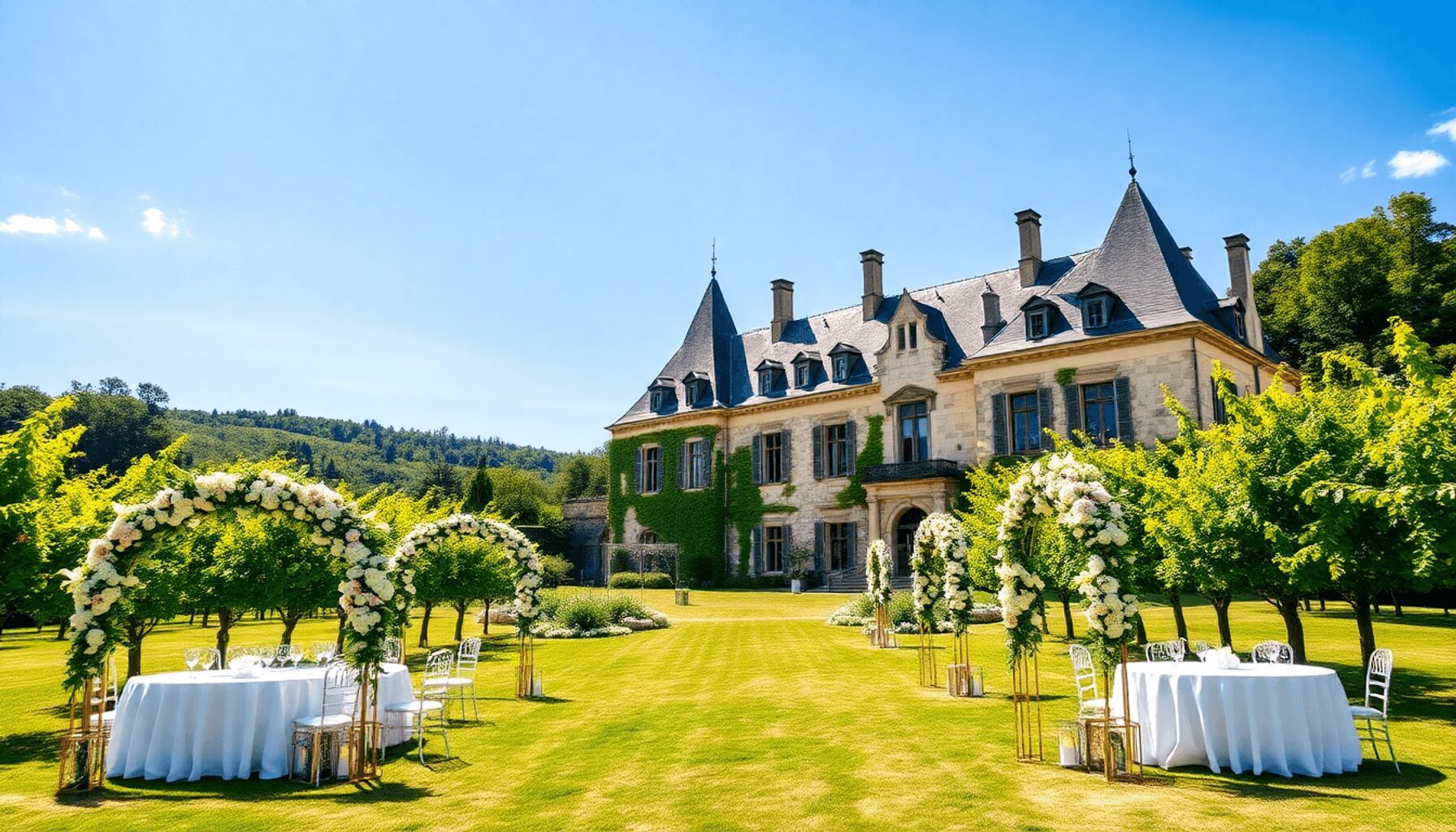
Imagine this: three days of celebration set against rolling vineyards in Provence, or perhaps within the stone walls of a centuries-old château in the Loire Valley. A multi-day wedding France experience transforms your special day into an unforgettable journey that you and your guests will talk about for years to come.
French wedding planning for extended celebrations has become increasingly popular among couples who want more than just a single day of festivities. You're not just hosting a wedding—you're creating an immersive experience that allows your loved ones to truly connect with each other, explore the romance of France, and celebrate your union without the rushed feeling that often accompanies traditional one-day events.
The appeal of a wedding celebration France spanning multiple days lies in its ability to blend intimacy with grandeur. Your guests become part of a shared adventure rather than attendees at a single event. They'll have time to form genuine connections over leisurely wine tastings, explore charming French villages together, and participate in experiences that go beyond the typical wedding reception.
However, planning such an elaborate affair is no small feat. Here are some key considerations:
- Selecting the Perfect Venue: Whether it's a luxury estate or a charming villa, choosing the right venue can set the tone for your entire celebration. With numerous options available, including some of the best places to get married in France, it's essential to find one that resonates with your vision.
- Crafting an Engaging Itinerary: Your itinerary should balance structured activities with personal downtime. This could involve incorporating authentic French experiences into your schedule while ensuring guests have time to relax and unwind.
- Managing Logistics: Orchestrating accommodation logistics, meal planning, activity scheduling, and transportation requires meticulous attention to detail and strategic coordination. The difference between a magical extended celebration and an overwhelming experience for your guests often comes down to the quality of your planning.
- Catering to Guest Needs: When you're asking people to dedicate an entire weekend (or longer) to your celebration, their comfort becomes paramount. You need to consider their entertainment preferences, dietary needs, and desire for both structured activities and personal downtime.
- Staying Trendy: Lastly, staying updated with current trends can greatly enhance your wedding's appeal. For instance, following wedding trends in France for 2025 can provide fresh ideas that resonate with modern sensibilities.
This guide will walk you through every critical aspect of French wedding planning for multi-day celebrations, from selecting the perfect venue to crafting an itinerary that keeps guests engaged without exhausting them. You'll discover how to incorporate authentic French experiences, manage logistics that span several days, and create those thoughtful details that transform a good wedding into an extraordinary one.
Why Choose a Multi-Day Wedding Celebration in France?
The benefits of multi-day wedding celebrations extend far beyond simply having more time to party. When you spread your wedding across several days, you're fundamentally changing the entire experience for both you and your guests. Single-day weddings often feel rushed—you're trying to greet 100+ guests, participate in ceremonies, take photos, eat dinner, and dance the night away, all within a compressed 6-8 hour window. Multi-day celebrations eliminate this pressure entirely.
You Get to Actually Talk to Your Guests
I've attended both types of weddings, and the difference is striking. At single-day events, I've had maybe five minutes with the couple, often in a receiving line or during a quick hello at the reception. At multi-day celebrations in France, I've shared wine tastings, morning coffees, and genuine conversations that lasted hours. Your wedding becomes less about checking boxes and more about creating meaningful moments with the people you love most.
The Wedding Guest Experience Transforms
When you give people permission to slow down, the wedding guest experience transforms. Instead of guests flying in the morning of your wedding and leaving the next day (exhausted and jet-lagged), they arrive with time to settle in, explore the region, and connect with other attendees. I've watched strangers become friends over a casual welcome dinner, then seen those friendships deepen throughout the weekend. Your college friends finally meet your work colleagues. Your family gets to know your partner's family beyond awkward small talk at a reception table.
Creating an Atmosphere You Simply Cannot Replicate
This relaxed pacing creates an atmosphere you simply cannot replicate in a single day. Guests aren't worried about missing the bouquet toss because they need to catch a flight. They're not calculating whether they have time for one more dance. They're present, engaged, and genuinely enjoying themselves.
French Wedding Venues: The Perfect Backdrop for Extended Celebrations
French wedding venues provide the perfect backdrop for this extended celebration. The country offers an embarrassment of riches when it comes to stunning locations:
- Châteaux: These historic castles scattered throughout regions like Loire Valley, Provence, and Burgundy offer grandeur and romance. Many feature multiple event spaces, formal gardens, and enough rooms to accommodate your entire guest list onsite.
- Vineyards and Wine Estates: Imagine exchanging vows among rolling hills of grapevines, then hosting a dinner in a centuries-old wine cellar. Regions like Bordeaux, Champagne, and Languedoc-Roussillon specialize in these venues.
- Provençal Farmhouses: Restored mas (traditional stone farmhouses) provide rustic elegance with lavender fields, olive groves, and that quintessential Southern French charm.
- Coastal Villas: The French Riviera and Corsica offer waterfront properties where you can host beach ceremonies, poolside cocktail hours, and sunset dinners overlooking the Mediterranean.
These venues aren't just beautiful—they're designed for multi-day occupancy. Unlike many American wedding venues that rent by the hour, French estates often rent for the entire weekend or week. You're not constantly setting up and breaking down. The space becomes yours, allowing you to layer in personal touches and create different atmospheres for each event.
Saving Money with Minimal Decoration
The architectural beauty of these properties means you need minimal decoration. A 17th-century château doesn't require elaborate floral installations to look stunning—its bones are already magnificent. This saves you money while delivering an aesthetic that feels authentically French rather than imported or forced.
Built-In Experiences with French Venues
French venues also come with built-in experiences. When you book a vineyard through a wedding planner, you're not just securing a location; you're gaining access to activities like private tours of wine cellars or tastings led by passionate winemakers—elements that seamlessly integrate into your wedding weekend itinerary without requiring additional planning on your part.
These unique offerings enhance both your experience as hosts and that of your guests—creating memories that go beyond traditional wedding festivities.
By choosing France as your destination for multi-day celebrations coupled with its breathtaking venues designed specifically for such occasions—you'll find yourselves embracing an unforgettable journey filled with love laughter & joy!
Selecting the Perfect Venue for Your Multi-Day Wedding
Finding the right venue sets the foundation for your entire multi-day celebration. You need a location that can accommodate multiple events while maintaining its charm and functionality throughout your wedding weekend.
Balancing Beauty with Practicality
French wedding venues offer breathtaking aesthetics, but you must evaluate them through a practical lens. A stunning château wedding France location might captivate you with its architecture, but ask yourself these critical questions:
- Can the venue handle your guest count comfortably across different spaces?
- Does it have indoor backup options if weather turns unpredictable?
- Are there adequate facilities including restrooms, kitchen access, and power sources?
- What are the noise restrictions and curfew times?
I've seen couples fall in love with a vineyard wedding venue only to discover it lacks proper lighting infrastructure or has limited access to water sources. You want to visit potential venues at different times of day to understand how natural light changes the atmosphere and identify any logistical challenges.
The venue should offer distinct spaces for different events. Your welcome dinner needs a different ambiance than your ceremony, and your farewell brunch requires yet another setting. Look for properties with multiple rooms, outdoor terraces, gardens, and covered areas that allow you to create varied experiences without guests feeling like they're attending the same event repeatedly.
Accommodation Availability and Accessibility
Your venue choice directly impacts your guests' comfort and your budget. Properties with onsite accommodations simplify logistics dramatically—guests can retire to their rooms without coordinating transportation, and you can extend celebrations into late hours without worry.
When evaluating French wedding venues with lodging, calculate the numbers carefully:
- How many guests can sleep onsite?
- What's the mix of room types (doubles, twins, suites)?
- Are there enough bathrooms to prevent morning bottlenecks?
- Is there a bridal suite or separate space for the wedding party?
If your chosen venue doesn't accommodate everyone, proximity to quality hotels becomes essential. You'll want nearby options within a 15-minute drive maximum. Research local accommodations thoroughly—that charming bed and breakfast might only have three rooms, forcing you to spread guests across multiple properties.
Accessibility matters beyond just distance. Consider your guest demographics. If you're inviting elderly relatives or guests with mobility challenges, you need venues with minimal stairs, accessible bathrooms, and paved pathways. A hilltop château wedding France location might offer spectacular views, but if half your guests struggle to reach the ceremony site, you've created unnecessary stress.
Transportation infrastructure deserves equal attention. Is the venue easy to find? Can shuttle buses navigate the access roads? Is there adequate parking for guests who choose to drive? Some remote vineyard wedding venue properties require guests to traverse unpaved roads that become muddy after rain—details that sound minor until you're dealing with them in real-time.
Venue Flow for Multiple Events
The spatial layout of your venue determines how smoothly your multi-day celebration unfolds. You need to map out where each event will occur and how guests will move between spaces.
Start by assigning specific areas to each major event:
Day One (Welcome Events): Identify a casual, intimate space—perhaps a terrace overlooking vineyards or a cozy salon with a fireplace. This area should feel relaxed and encourage mingling.
Day Two (Main Ceremony and Reception): Your ceremony location needs excellent acoustics and sight lines. Every guest should see and hear the vows without straining. The reception space must accommodate your dining setup, dance floor, and entertainment while maintaining comfortable traffic flow to bars and restrooms.
Consider incorporating local flavors into your welcome dinner by
Crafting the Multi-Day Wedding Itinerary
Building a wedding itinerary France requires strategic thinking about how each event flows into the next. You need to create a rhythm that keeps guests engaged without overwhelming them. The beauty of a multi-day wedding schedule lies in its ability to transform a single celebration into an immersive experience that unfolds naturally over several days.
The Classic Three-Day Structure
Most couples planning French wedding events opt for a three-day format that strikes the perfect balance between celebration and relaxation. This structure gives you enough time to create meaningful moments without exhausting your guests.
Day One: The Welcome Gathering
Your opening event sets the tone for everything that follows. This is where you break the ice and help guests transition into celebration mode. I've seen couples schedule welcome events anywhere from late afternoon to early evening, typically starting around 6:00 PM. This timing works beautifully because it gives guests the entire day to arrive, settle into their accommodations, and freshen up before joining the festivities.
The welcome gathering should feel relaxed and informal. You're not trying to impress anyone yet—you're creating an atmosphere where people can unwind after traveling. Consider these options:
- Wine tasting sessions at a local vineyard where guests can sample regional varieties while mingling
- Casual pizza parties in the château gardens with wood-fired ovens and rustic table settings
- Apéritif gatherings featuring French cheeses, charcuterie, and champagne on a terrace overlooking the countryside
- Outdoor barbecues with local specialties and live acoustic music
For an unforgettable experience, think about incorporating some unique elements such as wine tours for wedding guests. These tours can provide an immersive experience into the local wine culture while serving as a great icebreaker for your guests.
The key is keeping this event casual enough that guests don't feel pressure to dress up or arrive at a precise time. A two to three-hour window works perfectly, allowing people to come and go as they please.
Day Two: The Main Ceremony and Reception
This is your centerpiece—the day you've been dreaming about. When you're planning How to Plan a Multi-Day Wedding Celebration in France, this day demands the most attention to detail.
Your ceremony timing depends on the season and your venue's lighting. Summer weddings in France often feature late afternoon ceremonies around 5:00 or 6:00 PM, capitalizing on the golden hour for photographs. The extended daylight gives you gorgeous natural lighting that lasts well into the evening.
After the ceremony, you'll typically have:
- Cocktail hour (1-1.5 hours) where guests enjoy champagne and canapés while you take photos
- Reception entrance and first dance as the sun sets
- Seated dinner (2-3 hours) with multiple courses showcasing French culinary excellence
- Speeches and toasts interspersed between courses or following the main meal
- Cake cutting as a transition into the party portion of the evening
- Dancing and entertainment continuing until late into the night (French celebrations often run until 2:00 or 3:00 AM)
You don't need to cram every traditional element into this day. The multi-day format gives you flexibility to move certain activities to other days if they don't fit naturally into your main celebration flow.
Day Three: The Farewell Brunch or Dinner
Your closing event
Incorporating Optional Activities to Enrich the Experience
The time between your main wedding events presents opportunities to showcase the best of what France has to offer. Wedding activities in France transform your celebration from a simple ceremony into an immersive cultural experience that your guests will talk about for years.
Curating Unique Local Experiences
France's diverse regions provide countless possibilities for memorable activities. You can arrange vintage car rides through Provence's lavender fields or along the Loire Valley's château route. These aren't just transportation—they're experiences that let your guests feel like they've stepped into a classic French film.
Boat trips offer another dimension to your celebration. Consider organizing a private cruise down the Seine if you're celebrating near Paris, or a sunset sailing excursion along the French Riviera. In Burgundy, canal boat tours through the wine country create intimate settings where guests can relax and connect while taking in the scenery.
For those looking for more localized experiences, activities around Beaujolais for wedding parties provide authentic glimpses into local life. A guided walk through a medieval village, a visit to a local market with a chef who explains seasonal ingredients, or a tour of historic sites near your venue adds educational value to the entertainment. These experiences work particularly well on the day before your main ceremony when guests have arrived but formal festivities haven't begun.
Engaging Through Cultural Workshops
Cultural workshops in France create interactive moments that break the ice between guests who may not know each other. Macaron-making classes led by local pastry chefs give participants hands-on experience with French culinary traditions. You'll watch your guests laugh together as they pipe batter and compare their colorful creations.
Wine and cheese pairing sessions work beautifully in vineyard settings. A sommelier can guide your guests through tasting regional varieties while explaining terroir and production methods. These sessions typically last 60-90 minutes—long enough to be educational without feeling like a lecture.
Olive oil tastings in Provence or truffle hunting in Périgord immerse guests in regional specialties. You can arrange perfume-making workshops in Grasse, pottery classes in traditional ateliers, or painting sessions inspired by the landscapes that attracted Impressionist masters.
Cooking classes deserve special mention. Imagine your guests learning to prepare classic French dishes like coq au vin or bouillabaisse under the guidance of a local chef. They leave with recipes, new skills, and stories about the time they cooked together at your wedding celebration.
Wellness Activities for Balance
Multi-day celebrations can be exhausting. Wellness activities provide necessary counterbalance to the festivities. Morning yoga sessions on a château terrace or in a vineyard setting help guests start their day centered and energized. You don't need elaborate setups—a qualified instructor, yoga mats, and a beautiful location create the perfect environment.
Spa treatments at your venue or nearby facilities give guests opportunities for self-care. You might arrange group rates for massages, facials, or other services. Some venues have their own spa facilities; others partner with local wellness centers.
Guided meditation sessions, gentle stretching classes, or even organized morning walks through the countryside offer lighter wellness options. These activities appeal to guests who want to move their bodies without intense exertion.
The Small-Group, Optional Approach
Here's what you need to understand: keeping activities optional is non-negotiable. Your guests have traveled to France for your wedding, but they shouldn't feel obligated to follow a rigid schedule every moment. Some will want to explore independently
Essential Planning Tips for a Successful Multi-Day Wedding
You need to start your multi-day wedding planning tips journey well in advance—I'm talking 12 to 18 months before your celebration. This extended timeline isn't about overthinking every detail; it's about giving yourself breathing room to secure your dream venue, coordinate with multiple vendors, and handle the complex logistics that come with hosting guests for several days in France.
The Critical Early Planning Phase
When you're planning a wedding timeline France-style, those first few months are crucial. You'll need to lock down your venue before anything else, especially if you're eyeing popular châteaux or vineyard estates that book up quickly. I've seen couples lose their ideal locations because they waited too long—don't let that be you.
During this early phase, you should:
- Secure your venue and confirm accommodation capacity for all wedding days
- Book key vendors including caterers, florists, and entertainment who can commit to multiple days
- Research French marriage requirements if you're legally marrying in France (the paperwork can be extensive)
- Establish your budget with clear allocations for each day's events
- Hire a local wedding planner who understands French vendors and logistics
Guest Communication Wedding Strategies That Actually Work
Clear communication makes or breaks a multi-day celebration. You can't just send a standard invitation and hope guests figure out the details. I recommend creating a dedicated wedding website at least 6 months before your event—this becomes your central hub for all information.
Your website should include:
- Detailed daily schedules with specific times, locations, and dress codes for each event
- Accommodation options with booking links and group rates you've negotiated
- Transportation information between venues and from airports
- Local area guides highlighting restaurants, attractions, and activities
- RSVP system that tracks attendance for individual events, not just the main ceremony
- FAQ section addressing common questions about weather, attire, and cultural considerations
Send your save-the-dates 9 to 12 months in advance for a destination celebration in France. International guests need time to arrange travel, request time off work, and budget for the trip. Your formal invitations should go out 4 to 6 months ahead, with clear RSVP deadlines that give you time to finalize catering numbers and seating arrangements.
I've found that regular email updates work wonders. Send a monthly newsletter starting 6 months out, sharing planning progress, venue photos, and practical tips for traveling to France. This keeps guests engaged and reduces the number of individual questions you'll field.
Balancing Structure with Freedom
You're hosting multiple days of events, but that doesn't mean every hour needs scheduling. The beauty of an extended celebration lies in those unstructured moments when guests can explore, relax, or connect naturally.
Here's how I structure a typical three-day timeline:
Day One (Welcome Day):
- Afternoon: Guest arrival window (no scheduled events)
- Evening: 2-3 hour welcome gathering
- Late night: Unstructured time
Day Two (Main Wedding Day):
- Morning: Free time for guests to rest or explore
- Afternoon: Ceremony preparation and photos
- Late afternoon/evening: Ceremony and reception (5-6 hours)
- After party: Optional late-night celebration
Day Three (Farewell Day):
- Morning/brunch: 2-3 hour farewell meal
- Afternoon: Departure window
Notice the gaps? Those empty spaces are intentional. Your guests
Enhancing Guest Comfort and Experience During a Multi-Day Wedding Celebration in France
Your guests are investing significant time and resources to celebrate with you across multiple days. Making their experience comfortable and stress-free becomes just as important as the wedding events themselves.
Securing the Right Guest Accommodation in France
The accommodation you arrange sets the foundation for your guests' entire experience. When you're planning How to Plan a Multi-Day Wedding Celebration in France, lodging decisions deserve early attention.
Onsite château accommodations offer the most seamless experience. Your guests wake up steps away from breakfast, never worry about driving after wine tastings, and naturally mingle throughout the day. Château de Varennes in Burgundy, for example, sleeps up to 40 guests within its historic walls. You'll find similar properties in Provence, the Loire Valley, and Dordogne that combine sleeping quarters with event spaces.
The reality is that most venues can't house everyone. You'll need to create a tiered accommodation strategy:
- Primary venue rooms for immediate family and wedding party members
- Nearby gîtes or vacation rentals within 5-10 minutes for close friends
- Hotel blocks in the nearest town for remaining guests
I recommend visiting each accommodation option personally. That charming farmhouse listing might look perfect online, but you need to verify the shower pressure works, the WiFi reaches bedrooms, and the access road doesn't require a 4×4 vehicle.
Negotiate group rates directly with property owners. French hospitality providers often offer 10-15% discounts for booking multiple rooms across several nights. You can sometimes secure the entire property at a reduced nightly rate, giving you control over the guest experience.
Guest accommodation France options vary dramatically by region. Champagne châteaux typically offer fewer onsite rooms but excellent nearby hotels. Provençal mas (farmhouses) often feature multiple guest cottages on the property. Alpine venues might connect you with chalet rentals that accommodate 8-12 people each.
Create a detailed accommodation guide for your guests that includes:
- Exact addresses with GPS coordinates (French rural addresses can confuse navigation apps)
- Check-in procedures and contact numbers
- Parking information
- Amenities available (air conditioning, hair dryers, irons)
- Distance and drive time to the main venue
- Nearby restaurants and shops
Coordinating Transportation Between Events and Locations
Guest transportation wedding logistics become exponentially more complex with multiple events across several days. You can't expect guests to navigate unfamiliar French roads after evening celebrations involving wine pairings.
Shuttle services solve most transportation challenges. Partner with local bus companies or luxury coach providers to create a reliable schedule:
- Morning shuttles from hotels to the venue (typically 9-10 AM)
- Mid-day shuttles for guests who want to explore nearby towns
- Evening shuttles running continuously during cocktail hour and reception
- Late-night shuttles ensuring everyone gets home safely (midnight to 2 AM)
Budget €1,500-3,000 for comprehensive shuttle service across a three-day celebration, depending on distances and guest count. This investment prevents drunk driving concerns and allows everyone to enjoy French wine without restraint.
For smaller weddings under 30 guests, private car services offer more flexibility. You can arrange Mercedes vans or vintage Citroëns that become part of the aesthetic. I've seen couples hire classic 2CVs to transport guests between a Bordeaux vineyard and their hotel—the cars themselves became a talking point and photo opportunity.
Self-drive options work when
Creating Lasting Memories Through Thoughtful Details in Your Multi-Day Wedding Celebration in France
The magic of personalized weddings France truly comes alive when you weave your unique story throughout every moment of your celebration. You're not just planning events—you're creating chapters of an experience that reflects who you are as a couple.
Personalizing Elements Across Different Days
Each day of your multi-day celebration offers a canvas for expressing different facets of your relationship. Your welcome event might showcase how you met, with décor elements that reference your first date location or shared hobbies. I've seen couples incorporate photos from their relationship timeline displayed throughout the welcome dinner venue, creating conversation starters that help guests connect with each other through shared stories about the couple.
The main wedding day deserves your most intimate personal touches. Your ceremony space can feature family heirlooms—perhaps your grandmother's lace incorporated into the altar design or vintage photographs of family weddings displayed on an elegant table. You might choose readings that hold special meaning, whether they're excerpts from letters you've written each other or passages from books that shaped your relationship.
Your farewell brunch presents an opportunity to thank guests in a deeply personal way. Custom gift bags that reflect your heritage or the local French culture create tangible memories. You could include:
- Locally sourced lavender sachets with handwritten notes
- Small bottles of wine from the château where you celebrated
- Recipe cards for dishes served during the weekend
- Polaroid photos taken throughout the celebration
Décor That Tells Your Story
The visual narrative of your celebration should evolve across the days while maintaining cohesive threads. You might select a color palette that shifts from soft, welcoming tones during the welcome event to more dramatic, romantic hues for the ceremony and reception, then lighter, airier colors for the farewell gathering.
Floral arrangements offer exceptional storytelling potential. You can choose blooms that hold significance—perhaps the flowers from your proposal or varieties that grow in both your hometowns. French florals like peonies, garden roses, and lavender create stunning displays while honoring the local landscape. I've watched couples incorporate wildflowers gathered from the château grounds into their centerpieces, literally bringing the venue's natural beauty to the table.
Table settings deserve careful consideration. You're creating intimate dining experiences across multiple meals, so varying the approach keeps each gathering feeling fresh. Your welcome dinner might feature rustic, family-style seating that encourages conversation. The reception could showcase elegant place settings with personalized menu cards that explain why you selected each dish. The farewell brunch might use mismatched vintage china for a relaxed, intimate atmosphere.
Lighting transforms spaces and moods. String lights create warmth during evening events, while candles in varying heights add romance to dinner tables. You can use uplighting to highlight architectural features of your château or vineyard venue, drawing attention to the historic beauty that surrounds your celebration.
Food Selections That Reflect Your Journey
Your menu choices across the multi-day celebration should balance French culinary excellence with personal meaning. You're not obligated to serve exclusively French cuisine—this is your celebration, and the food should represent you.
Start by identifying dishes that matter to your relationship. Did you share a memorable meal on your first trip together? Can you recreate elements of that experience? Perhaps you fell in love with a specific regional French dish during your venue scouting trip—incorporating it honors both your journey and the local culture.
Work with your caterer to create fusion menus that blend your cultural backgrounds with French techniques. I've seen couples serve Korean-French fusion appetizers, Italian-inspired pasta courses prepared with French ingredients, or traditional family recipes elevated with French presentation styles
Conclusion
Planning multi-day weddings France requires dedication, vision, and meticulous attention to every detail. You've explored the essential elements—from selecting the perfect château or vineyard to crafting an itinerary that balances celebration with relaxation. The investment of time and energy into How to Plan a Multi-Day Wedding Celebration in France pays dividends in ways a single-day event simply cannot match.
Your guests will remember the laughter shared during that impromptu wine tasting, the quiet morning conversations over croissants and café au lait, and the way the French countryside looked bathed in golden hour light during your ceremony. These moments don't happen by accident. They're the result of thoughtful planning that considers not just the big picture but the small touches that make people feel truly welcomed and valued.
The beauty of a multi-day celebration lies in its ability to transform your wedding from a single event into an experience. You're not just inviting people to witness your marriage—you're creating a shared journey that strengthens bonds and builds memories that last far beyond the final toast.
Start your planning 12–18 months ahead. Give yourself the gift of time to explore venues, coordinate with vendors, and refine every element until it reflects your authentic story. Work with experienced local planners who understand the nuances of French venues and can navigate logistics seamlessly. Communicate clearly with your guests through detailed invitations and a dedicated wedding website that sets expectations and builds excitement.
Remember that perfection isn't about controlling every variable—it's about creating space for genuine connection and joy. Build in downtime between events. Allow your guests (and yourselves) to breathe, explore, and savor the experience without feeling rushed from one activity to the next. Have contingency plans for weather, but don't let the possibility of rain steal your peace.
The French countryside, with its rolling vineyards, historic châteaux, and timeless elegance, provides the perfect backdrop for your celebration. You're not just planning a wedding—you're curating an immersive experience that honors your relationship while celebrating the people who matter most to you.
Trust the process. Embrace the details. Let your personality shine through every element, from the welcome gifts to the farewell brunch menu. Your multi-day wedding celebration in France will become the story your guests tell for years to come—the weekend when everything felt magical, when connections deepened, and when love was celebrated not just for a day, but across multiple unforgettable moments in one of the world's most romantic settings.
FAQs (Frequently Asked Questions)
What are the benefits of choosing a multi-day wedding celebration in France?
Multi-day wedding celebrations in France offer numerous benefits including enhanced guest experiences through relaxed interactions and deeper connections. They allow for a leisurely pace across iconic French venues such as châteaux, vineyards, and estates, making the event uniquely charming and memorable compared to single-day weddings.
How do I select the perfect venue for a multi-day wedding in France?
Selecting the ideal venue involves balancing aesthetic beauty with practicality. Consider venues that provide ample accommodation options and accessibility for guests. It's also important to evaluate the flow of the venue to smoothly host multiple events like welcome gatherings, ceremonies, and farewell brunches over several days.
What is a typical itinerary for a multi-day wedding celebration in France?
A classic three-day French wedding itinerary often includes a casual welcome event such as wine tastings or pizza parties on day one, followed by the main ceremony, dinner, speeches, and entertainment on day two. The celebration typically concludes with a farewell brunch or dinner on day three to thank guests and close the festivities.
How can I incorporate unique activities to enrich my multi-day wedding experience in France?
You can enhance your wedding by adding optional local experiences like vintage car rides, boat trips, or cultural workshops such as macaron-making and olive oil tastings. Wellness activities like yoga sessions are also popular. Keeping these activities optional and small-group based ensures guests can engage comfortably without feeling overwhelmed.
What essential planning tips should I follow for a successful multi-day wedding in France?
Start preparations 12–18 months in advance to ensure thorough coordination. Maintain clear communication with guests through invitations and dedicated websites outlining schedules and expectations. Balance structured events with downtime for relaxation, prepare weather contingency plans for outdoor activities, and prioritize guest comfort while honoring your vision.
How can I enhance guest comfort during my multi-day wedding celebration in France?
Enhance guest comfort by arranging convenient lodging near or onsite at your venue and coordinating transportation between events and local attractions. Thoughtful planning of accommodations and transit helps guests enjoy each part of your extended celebration seamlessly.