
Wedding Guest Accommodations for International Visitors
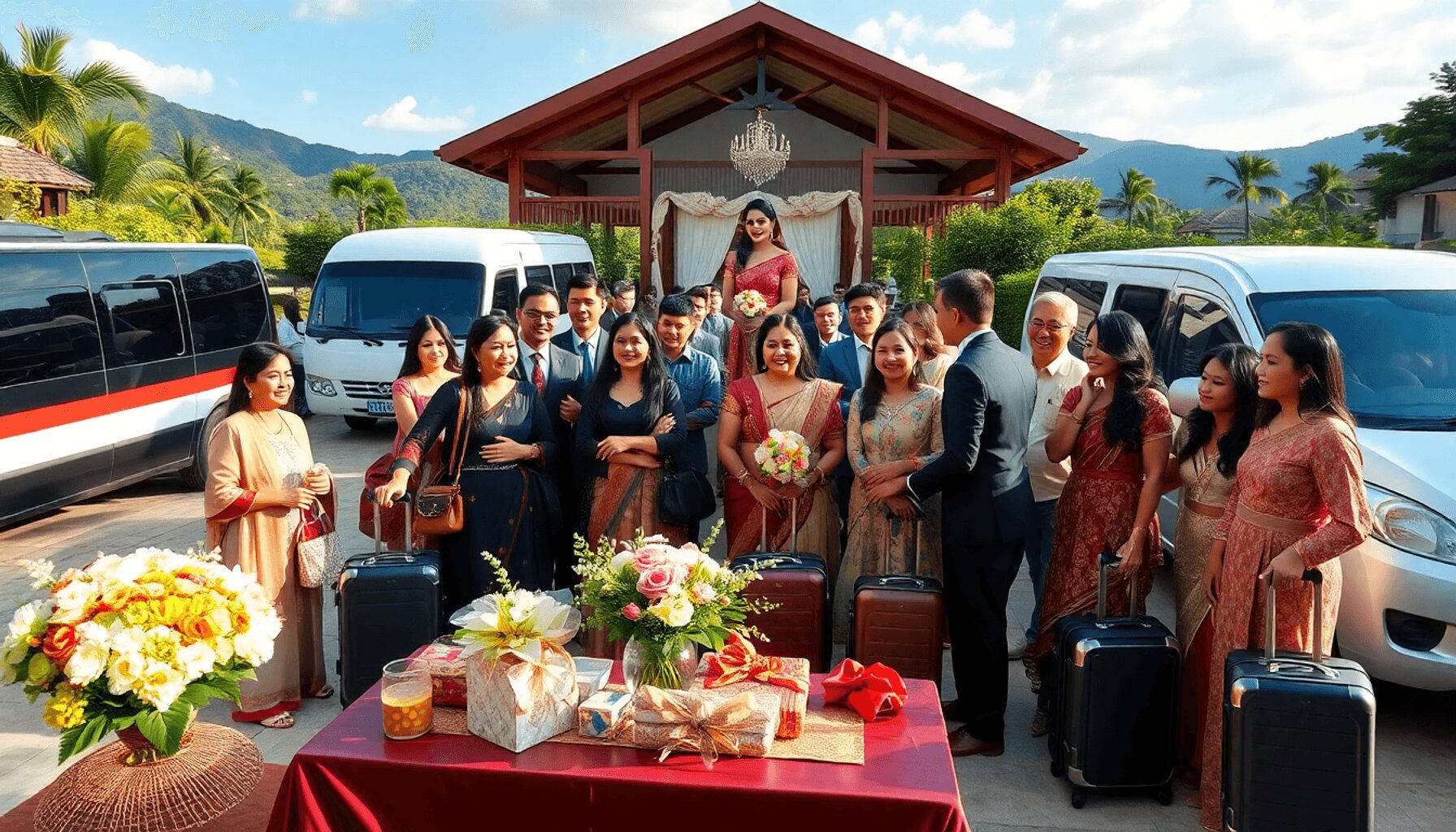
When your cousin from Australia books a 20-hour flight to celebrate your big day, or your college roommate navigates visa requirements from Japan just to stand by your side, you're witnessing something extraordinary. International wedding guests make incredible sacrifices to share in your joy, and their presence transforms your celebration into something truly global.
The reality is that accommodating international visitors requires a different level of planning than hosting local guests. You're not just thinking about seating arrangements and meal preferences—you're considering time zones, language barriers, unfamiliar customs, and the physical toll of long-distance travel. These guests arrive exhausted from flights, disoriented by jet lag, and sometimes uncertain about local expectations. They've invested significant time, money, and energy to be there for you.
Wedding guest accommodations for international visitors present unique challenges that many couples don't anticipate until they're deep in the planning process. Your international wedding guests might struggle with:
- Understanding local transportation systems and navigating unfamiliar cities
- Finding appropriate attire that matches both your dress code and the local climate. They might benefit from this ultimate packing list for study abroad essentials, which could help them prepare better.
- Managing currency exchange and tipping customs
- Dealing with dietary restrictions in a foreign food landscape
- Communicating effectively if there's a language barrier
- Adjusting their bodies to new time zones while maintaining the energy to celebrate
The difference between a stressful experience and a memorable destination wedding celebration often comes down to thoughtful planning. When you treat your wedding as a destination event for these travelers, you create an environment where everyone feels welcomed, valued, and able to fully participate in your celebration.
This article walks you through the essential elements of hosting international wedding guests with grace and consideration. You'll discover practical strategies for early communication, accommodation arrangements, cultural sensitivity, and logistical support that make the journey worthwhile for your loved ones. From curating welcome bags that ease their arrival to scheduling events that respect their need for rest, you'll learn how to transform potential obstacles into opportunities for connection.
Your wedding becomes richer when you embrace its international dimension. The friends and family who cross oceans to celebrate with you deserve more than just a seat at the ceremony—they deserve a host who understands their journey and plans accordingly. Whether it's planning a sustainable wedding at a luxury estate, ensuring your wedding has a taste of Beaujolais, or providing helpful resources like this guide on planning a trip to Japan, every detail counts in making their experience memorable.
Early Planning and Communication
When you're hosting international guests at your wedding, early planning becomes your most valuable asset. I've learned through experience that the timeline you'd normally use for local guests simply doesn't work when people need to coordinate flights, visas, and extended time away from home.
The Save-the-Date Timeline for International Visitors
You need to send save-the-dates to your international guests 9 to 12 months before your wedding date—significantly earlier than the typical 6-month window for domestic guests. This extended timeline gives your international attendees the breathing room they need to:
- Request time off work well in advance
- Monitor flight prices and book during optimal pricing windows
- Apply for necessary travel visas (which can take 2-6 months in some countries)
- Arrange pet care or childcare for extended absences
- Coordinate travel plans with other guests from their region
I recommend sending these early notifications via both email and traditional mail. Email ensures immediate delivery across time zones, while a physical save-the-date card adds a personal touch that shows you value their attendance enough to invest in proper communication.
Building a Comprehensive Wedding Website
Your wedding website serves as the central hub for all information your international guests need. You can't rely on word-of-mouth or casual conversations when guests are scattered across different countries and time zones.
Essential Elements for Your Wedding Website:
Venue Information Section
- Complete venue address with GPS coordinates
- Embedded Google Maps with the exact location pinned
- Photos of the venue exterior to help with identification
- Parking information and nearby landmarks
Travel Planning Resources
- Nearest international airports with approximate distances to the venue
- Domestic airport options if connections are required
- Average taxi/rideshare costs from airports to the hotel area
- Public transportation routes and schedules
- Car rental recommendations with links to booking sites
Accommodation Details
- Hotel room block information with booking codes
- Range of lodging options at different price points
- Proximity of each hotel to the wedding venue
- Amenities available at recommended properties
- Deadline dates for booking discounted rates
Local Area Guide
- Weather patterns for your wedding date with typical temperature ranges
- Recommended activities and attractions for extended stays
- Popular restaurants near the venue and hotels
- Emergency contact numbers (local police, hospitals, embassy contacts)
- Currency exchange information and ATM locations
You want to update this website regularly as new information becomes available. I've found that setting a reminder to review and refresh the content monthly keeps everything current and shows guests you're actively managing their experience.
Sharing Cultural Context and Local Customs
International guests appreciate guidance on what to expect beyond just logistics. You're inviting them into your community, and providing cultural context helps them feel prepared rather than anxious.
Create a "What to Expect" section that covers:
- Typical wedding timeline in your culture (ceremony length, reception flow)
- Common traditions they'll witness and their significance
- Appropriate attire expectations with visual examples
- Gift-giving customs and registry information
- Alcohol service norms if relevant to your celebration
- Dietary considerations and typical menu offerings
I always include a brief explanation of any regional customs that might differ from what international guests expect. For example, if you're having a Southern wedding with a receiving line, explain what that means. If your ceremony includes specific religious or cultural rituals, provide context so guests can participate meaningfully.
Transportation Planning Information
Transportation confusion creates unnecessary stress for international visitors who are already navigating unfamiliar territory. You need to provide clear, actionable transportation options on your wedding website.
Treating the Wedding as a Destination Event
When you're hosting international guests, your wedding automatically transforms into a destination wedding—even if you're getting married in your hometown. Your guests are traveling across continents, adjusting to new time zones, and immersing themselves in an unfamiliar environment. This shift in perspective changes everything about how you should approach your celebration.
I've seen couples make the mistake of treating their wedding as a single-day event when they have guests flying in from overseas. The result? International visitors feel isolated, struggle to connect with local guests, and spend most of their trip figuring out logistics on their own. You don't want that for the people who've made such an extraordinary effort to celebrate with you.
Expanding Your Celebration Timeline
A destination wedding mindset means thinking beyond the ceremony and reception. Your international guests are investing significant time and money to attend—many will take a week or more off work, spend thousands on flights, and navigate complex travel arrangements. A single four-hour reception doesn't honor that commitment.
Consider structuring your wedding as multi-day events that create multiple touchpoints for connection:
- Welcome party the evening before: This gives international guests a relaxed setting to meet other attendees, recover from travel, and get oriented to the area
- Post-ceremony brunch or lunch: Extends the celebration and provides a casual atmosphere for deeper conversations
- Group activities during the wedding weekend: Organized tours, wine tastings, or cultural experiences that showcase your location
- Farewell brunch: A final gathering before guests depart, offering closure and one last opportunity to express gratitude
For instance, activities around Beaujolais for wedding parties could be an excellent way to incorporate local culture and provide unforgettable experiences for your guests.
Creating Spaces for Connection
The guest experience at a destination wedding hinges on fostering genuine connections between people who might otherwise never meet. Your college roommate from Australia shouldn't spend the entire weekend only talking to you during the receiving line.
I recommend designing events that naturally encourage mingling. A welcome party with interactive elements—like a cocktail-making class, local food tasting stations, or lawn games—gives guests conversation starters beyond "So, how do you know the couple?" You're creating shared experiences that bond people together.
Group activities work particularly well for international guests who may not know anyone else at the wedding. When you organize a group tour of local wineries or a cooking class featuring regional cuisine, you're giving guests permission to socialize in a structured way. They're not awkwardly approaching strangers at a hotel bar; they're participating in a planned activity where conversation flows naturally.
Balancing Structure with Freedom
You want to provide enough organized events to create community without overwhelming your guests. Not everyone will want to attend every activity, and that's perfectly acceptable.
Here's what I've found works best:
- One mandatory event: The wedding ceremony and reception
- Two to three optional events: Welcome party, farewell brunch, and perhaps one group activity
- Clear communication about what's optional: Use your wedding website to indicate which events are "highly encouraged" versus "if you're available"
- Built-in downtime: Schedule gaps where guests can explore independently, rest, or handle personal matters
The key is creating opportunities without creating obligations. Your aunt from Japan might want to spend Saturday morning visiting a museum she's read about, while your college friends might prefer sleeping in after the
Accommodation Arrangements for International Guests
When planning wedding guest accommodations for international visitors, your hotel block strategy becomes one of the most critical decisions you'll make. I've seen countless couples underestimate this aspect, only to face stressed guests scrambling for last-minute lodging options.
Securing Hotel Room Blocks That Work for Everyone
You need to reserve hotel blocks at least 6-8 months before your wedding date—even earlier if you're getting married during peak tourist season. International guests appreciate having accommodation options already researched and vetted by you, saving them hours of uncertainty about which neighborhoods are safe or which hotels offer reliable service.
Your hotel block strategy should include:
- A luxury or upscale option for guests who prefer premium amenities
- A mid-range hotel that balances comfort with affordability
- A budget-friendly choice for younger guests or those traveling on tighter budgets
I recommend negotiating with hotels to hold rooms without requiring immediate guest commitments. Most properties will block rooms for 30-45 days before releasing them back into general inventory. You want to secure at least 15-20 rooms per hotel, depending on your guest count, to qualify for group rates that typically offer 10-15% discounts off standard pricing.
Don't just focus on price—you need to evaluate what matters most to international travelers. Look for hotels offering:
- Complimentary breakfast (crucial for guests adjusting to new time zones)
- Airport shuttle services
- 24-hour front desk support with multilingual staff
- In-room coffee makers and mini-fridges
- Reliable WiFi for guests coordinating with family back home
Location Intelligence for Accommodation Selection
The proximity of your hotel blocks to the venue directly impacts your guests' experience. You might love that charming boutique hotel downtown, but if it's a 45-minute drive from your ceremony location, your international visitors will spend more time in transit than celebrating with you.
I always tell couples to map out the distance between potential hotels and all wedding-related venues. You're not just considering the ceremony and reception—think about where you're hosting your welcome party, rehearsal dinner, or farewell brunch. Ideally, your primary hotel block should be within 15 minutes of your main venue.
Consider these location factors:
- Walkability to restaurants, pharmacies, and convenience stores
- Access to public transportation if guests want to explore the area
- Parking availability for guests who rent cars
- Safety of the neighborhood, particularly for evening arrivals
- Proximity to tourist attractions guests might want to visit during their stay
You should personally visit each hotel you're considering. Check the room quality, test the shower pressure, evaluate the noise levels, and assess the overall cleanliness. Your international guests are investing significant money to attend your wedding—they deserve accommodations you'd be comfortable recommending to your own family.
If you're considering a destination wedding that's just a couple of hours away from London, such as the Beaujolais region, it's essential to factor in travel times when arranging accommodations.
Transportation Services That Eliminate Guest Anxiety
Transportation services represent the difference between a seamless experience and a logistical nightmare for your international visitors. Many won't have local driver's licenses, may not be comfortable navigating unfamiliar roads, and could face language barriers when dealing with taxi services.
Shuttle service planning essentials:
You need to arrange dedicated shuttle services between hotels and all wedding venues. I've found that booking a charter bus company or working with a transportation coordinator removes tremendous stress from both you and your guests.
Addressing Cultural Sensitivities
When you bring together guests from different countries and backgrounds, cultural awareness becomes the foundation of genuine hospitality. Your international visitors have traveled thousands of miles to celebrate with you, and acknowledging their cultural identities shows respect for the effort they've made.
Implementing Bilingual Signage and Programs
Language barriers can create unnecessary confusion and make guests feel isolated during your celebration. You can eliminate this challenge by creating bilingual or multilingual signage throughout your venue:
- Ceremony programs printed in multiple languages allow all guests to follow along and understand the significance of each ritual
- Directional signs to restrooms, reception areas, and parking in multiple languages help guests navigate independently
- Menu cards with translations prevent dietary confusion and demonstrate attention to detail
- Seating charts with names written in both English and guests' native scripts show personalized care
- Timeline cards explaining the order of events in multiple languages keep everyone informed
I've seen couples create beautiful dual-language programs that became cherished keepsakes. One couple I know printed their vows in English, Spanish, and Mandarin, allowing every guest to experience the emotional depth of their promises.
Hiring Multilingual Support Staff
You might speak English fluently, but your guests from Japan, Brazil, or France may not feel comfortable navigating an entire weekend in a second language. Multilingual coordinators or MCs bridge this communication gap seamlessly.
A bilingual MC can:
- Announce key moments in multiple languages so no one misses important transitions
- Answer guest questions in their native language throughout the event
- Translate speeches or toasts in real-time for better engagement
- Assist with any emergencies or special requests without confusion
Professional wedding coordinators who speak multiple languages can communicate directly with your international guests about timing, transportation, and special needs. This direct communication eliminates the awkward game of telephone that happens when messages get passed through multiple people.
You don't need to hire someone for the entire wedding weekend. Even having multilingual staff available during check-in, the ceremony, and key reception moments makes a substantial difference in guest comfort levels.
Incorporating Familiar Foods and Cultural Traditions
Food connects people to home in ways few other elements can. When you're jet-lagged and surrounded by unfamiliar customs, tasting something from your own culture provides genuine comfort.
Menu Considerations for Cultural Inclusion:
- Work with your caterer to include dishes from your guests' home countries alongside your planned menu
- Offer familiar breakfast options at morning events (Japanese guests might appreciate rice and miso soup, while British guests might want proper tea service)
- Clearly label dishes with ingredients to accommodate religious dietary restrictions
- Provide halal, kosher, or vegetarian options that align with your guests' cultural practices
- Include familiar beverages like specific teas, coffees, or non-alcoholic drinks popular in your guests' countries
I watched a couple incorporate a traditional Chinese tea ceremony into their Western wedding, which brought their Chinese relatives to tears. The gesture showed they valued both cultures equally, creating an atmosphere of true inclusivity.
Cultural Traditions to Consider:
- Invite international guests to participate in cultural rituals from their backgrounds during the reception
- Include music from different cultures in your playlist to create moments of recognition and joy
- Incorporate symbolic elements like henna stations, sake ceremonies, or traditional dances that honor your guests' heritages
- Create a "cultural exchange" moment where guests can share a tradition or blessing in their own language
You can also acknowledge cultural gift-giving customs. Some cultures present gifts differently than others—Chinese guests might bring red envelopes, while guests from other countries might
Managing Jet Lag and Scheduling Considerations
Jet lag isn't just about feeling tired—it's a physiological disruption that affects your international guests' cognitive function, mood, appetite, and overall well-being. When someone crosses multiple time zones, their circadian rhythm falls out of sync with the local environment. You need to understand that a guest flying from Tokyo to New York experiences roughly 13 hours of time difference, meaning their body thinks it's midnight when your rehearsal dinner starts at noon.
The severity of jet lag recovery depends on several factors: the number of time zones crossed, the direction of travel (eastward travel typically causes worse jet lag than westward), and individual differences in adaptation. Your guests from Europe attending a wedding in California might need 3-5 days to fully adjust, while someone traveling from Australia could require up to a week for complete recovery. To effectively manage these challenges, it's important to implement strategies such as those suggested by Sleep Foundation to help alleviate the symptoms of jet lag.
The Real Impact on Your Guests' Energy Levels
I've seen international wedding guests struggle through ceremonies because couples didn't account for their travel fatigue. A guest who arrives Friday evening after a 14-hour flight from Singapore won't be at their best for a Saturday morning brunch at 9 AM—they'll be fighting sleep deprivation, dehydration, and disorientation.
Physical symptoms your guests might experience include:
- Extreme fatigue during local daytime hours
- Insomnia when they should be sleeping
- Difficulty concentrating during speeches or ceremonies
- Digestive issues that make meal times uncomfortable
- Headaches and general malaise
- Reduced emotional regulation (more prone to tears or irritability)
These aren't minor inconveniences. A guest battling severe jet lag might miss key moments, feel disconnected from the celebration, or even become ill. You want your international visitors fully present and enjoying themselves, not counting down the minutes until they can collapse in their hotel room.
Strategic Event Scheduling for International Arrivals
The timing of your wedding events can make or break the experience for jet-lagged guests. If you're hosting a Friday evening rehearsal dinner, check when your international guests are actually landing. Someone arriving Friday at 2 PM needs at least 24 hours before participating in any structured activities.
Avoid these common scheduling mistakes:
- Bachelor/bachelorette parties the day after long-haul arrivals
- Morning-after brunches at 8 AM following the reception
- Expecting guests to attend multiple events on their arrival day
- Scheduling the ceremony for early morning hours (before 11 AM)
- Planning physically demanding activities within 48 hours of arrival
I recommend building in a full recovery day between arrival and your first official event. If your international guests land on Thursday, don't schedule anything mandatory until Saturday. This gives them Friday to sleep, adjust, explore the area at their own pace, and acclimate to the time zone.
For multi-day wedding celebrations, you'll want to structure your event schedule with guest comfort in mind. A Friday welcome dinner at 7 PM works well—it's late enough that guests have had time to rest but early enough that they won't be up past midnight fighting their body's sleep signals.
Creating a Balanced Event Timeline
Your wedding weekend should flow with natural energy patterns, not against them. Think about how you feel after a long international flight—you need periods
Thoughtful Welcome Bags for International Visitors
Welcome bags are a great way to show international guests that you appreciate them and want them to feel comfortable during the upcoming celebration. When you're organizing Wedding Guest Accommodations for International Visitors, these personalized gifts become more than just nice gestures. They become valuable resources that help bridge cultural differences and alleviate travel worries.
Crafting the Perfect Itinerary
Your welcome bag should include a comprehensive itinerary that goes beyond basic event times. You need to provide detailed information about each planned activity, including:
- Exact addresses with GPS coordinates for venues
- Estimated travel times between locations
- Dress code specifications for each event
- Weather forecasts and appropriate attire suggestions
- Emergency contact numbers for the wedding party and local services
I've seen couples create beautifully designed pocket-sized itinerary cards that guests can easily carry throughout the weekend. You can laminate these cards or print them on durable cardstock so they withstand multiple uses. Include a map highlighting key locations: the wedding venue, hotel, recommended restaurants, nearby pharmacies, and tourist attractions your guests might want to visit during downtime.
Local Snacks and Cultural Engagement
Including regional treats in your welcome bags introduces international visitors to your local culture through taste. You want to select items that travel well and represent authentic flavors from your area. Think artisanal chocolates, locally roasted coffee, regional spice blends, or traditional baked goods with extended shelf lives.
Pair these snacks with mini phrasebooks that feature essential phrases in the local language. These practical items help your guests navigate basic interactions:
- Greetings and polite expressions
- Ordering food and drinks
- Asking for directions
- Emergency phrases
- Common wedding-related terms
You can create custom phrasebooks that include phonetic pronunciations and cultural notes about when to use specific phrases. This thoughtful addition shows you've considered the communication challenges your international guests might face.
Practical Comfort Items
Jet-lagged travelers arriving from different time zones need specific practical items to help them adjust and feel comfortable. Your welcome bags should address these immediate needs:
Hydration essentials become critical for guests recovering from long flights. Include electrolyte packets, reusable water bottles with your wedding logo, or vouchers for bottled water delivery to their rooms. Dehydration exacerbates jet lag symptoms, so you're actively supporting your guests' wellbeing with these additions.
Travel-sized toiletries cater to items guests might have forgotten or couldn't pack in carry-on luggage. Consider including:
- Pain relievers for headaches
- Antacids for adjusting to new cuisines
- Lip balm and hand lotion
- Sunscreen appropriate for your climate
- Insect repellent if your venue is outdoors
- Sleep aids like lavender sachets or eye masks
You don't need to provide full-sized products. Sample sizes work perfectly and keep your bags manageable.
Personalized Thank-You Notes
A handwritten note acknowledges the significant effort your international guests made to attend your wedding. You should write these notes personally, mentioning specific details about your relationship with each guest. Reference the distance they traveled, express genuine gratitude for their presence, and share your excitement about celebrating together.
These personalized messages carry emotional weight that generic printed cards cannot match. I've watched international guests tear up reading heartfelt notes that recognized their journey. You're setting a warm, appreciative tone for the entire celebration.
If you're unsure how to go about writing those personal notes or creating custom phrasebooks, you might find some helpful insights in this [Facebook group](https://www.facebook.com/groups/186
Clear Communication Throughout the Wedding Journey
Your international guests are navigating unfamiliar territory, and consistent, clear information becomes their lifeline. You need to establish multiple communication channels that work across time zones and technological preferences. I've seen couples create private Facebook groups, WhatsApp chats, and dedicated wedding websites—all serving different purposes for different guest demographics.
Establishing Your Communication Hub
Your wedding website should function as the central information repository. You'll want to include:
- Real-time travel logistics updates about airport transportation options
- Detailed maps with pinned locations of all wedding-related venues
- Local emergency contact numbers and nearest hospital locations
- Currency exchange information and ATM locations near accommodations
- Weather forecasts closer to the wedding date with packing suggestions
I recommend updating this website weekly as your wedding approaches. International guests often check these sites multiple times, and fresh information reassures them that you're actively managing details.
Email remains your most reliable tool for important announcements. You should send targeted emails to international guests specifically—they need different information than your local attendees. Create a separate email list for overseas visitors and send them dedicated updates about visa processing timelines, recommended arrival dates, and any changes to the schedule.
Real-Time Updates Through Messaging Apps
WhatsApp groups or similar messaging platforms give you the ability to share last-minute changes instantly. I've watched couples use these groups to:
- Share gate changes for group flights
- Coordinate ride-sharing from airports
- Answer questions about local customs in real-time
- Post photos and build excitement before the wedding
You'll find that guests start helping each other in these groups, sharing their own travel tips and forming connections before they even arrive.
Comprehensive Dress Code Guidance
Dress code guidance becomes exponentially more complex when your guests are traveling internationally. "Semi-formal" means different things in different cultures, and your guests are already worried about packing efficiently.
You need to be specific:
- State exact formality levels: "Floor-length gowns and tuxedos" instead of "black tie"
- Describe the venue conditions: "Outdoor garden ceremony on grass—consider heel alternatives"
- Include temperature ranges: "Evening temperatures typically 60-65°F (15-18°C)"
- Clarify cultural expectations: "Shoulders should be covered during the ceremony"
I've created detailed dress code pages on wedding websites that included actual photos of appropriate attire. You can source these from stock photos or even sketch out examples. Visual references eliminate confusion that text descriptions might create.
Climate-Specific Wardrobe Advice
Your international guests might be flying from completely different climates. If you're having a summer wedding in Arizona and guests are coming from Scotland, they need explicit guidance. Tell them:
- Lightweight, breathable fabrics work best
- Indoor venues will have air conditioning (temperature contrast information)
- Sun protection is essential for outdoor portions
- Specific shoe recommendations based on venue surfaces
You should also mention if guests can access laundry facilities at their accommodations. This information helps them pack lighter, which matters significantly for international travel.
Cultural Dress Code Considerations
Some of your international guests might wonder whether traditional attire from their culture is appropriate. You need to address this directly on your wedding website. I've seen couples include statements like: "We welcome and encourage guests to wear traditional attire from their cultures. Your presence
Financial Etiquette and Support for International Guests
When international guests commit to attending your wedding, they're making a substantial financial investment. Understanding and addressing the financial expectations surrounding destination attendance helps you support your loved ones while maintaining appropriate boundaries.
Standard Financial Responsibilities
The traditional division of travel expenses follows a clear pattern: your international guests typically cover their flights, accommodations, and personal spending, while you handle the costs directly related to the wedding ceremony and reception. This includes:
- Venue rental and setup
- Food and beverages at the reception
- Entertainment and music
- Ceremony programs and favors
- Welcome events you choose to host
You shouldn't feel obligated to pay for your guests' airfare or hotel stays—this expectation holds true whether your wedding is local or destination-style. Your guests understand they're choosing to make this journey, and most appreciate the invitation without expecting you to shoulder their travel expenses.
Negotiating Hotel Room Blocks
You can significantly ease the financial burden on your international visitors by securing discounted hotel rates. Contact hotels near your venue at least six to eight months before your wedding date. Many properties offer group rates ranging from 10% to 30% off standard pricing when you reserve a block of 10 or more rooms.
When negotiating, ask about:
- Complimentary room upgrades for early bookings
- Waived resort fees or parking charges
- Flexible cancellation policies (typically 48-72 hours before arrival)
- Complimentary breakfast or welcome reception spaces
Share the booking codes and special rates prominently on your wedding website. I've found that providing multiple hotel options at different price points—budget-friendly, mid-range, and luxury—ensures every guest can find accommodations within their comfort zone.
Group Transportation Solutions
Arranging shared transportation represents one of the most practical ways to reduce cost sharing among your international guests. Instead of each visitor paying for individual taxis or rideshares, you can coordinate:
Airport shuttles: Partner with a local transportation company to offer scheduled pickups from the airport to the hotel area. When you book for a group, per-person costs often drop by 40-50% compared to individual rides.
Venue shuttles: Provide round-trip transportation between hotels and your ceremony/reception venues. This service eliminates parking fees, reduces the stress of navigating unfamiliar areas, and prevents guests from worrying about drinking and driving.
Multi-day passes: If your wedding spans several days with various events, consider arranging a charter bus or van service. The upfront cost might seem significant, but when divided among 20-30 guests, it becomes remarkably affordable.
Transparent Communication About Costs
Your international guests need clarity about what expenses they should anticipate beyond their flights and hotels. Create a dedicated FAQ section on your wedding website addressing:
- Average meal costs at nearby restaurants
- Typical taxi/rideshare fares from hotels to popular areas
- Costs for optional pre-wedding or post-wedding activities
- Whether specific events require separate tickets or fees
I recommend being explicit about which meals you're hosting. If you're covering the rehearsal dinner and reception but guests need to arrange their own breakfast and lunch, state this clearly. Ambiguity creates uncomfortable situations where guests either overspend out of caution or arrive unprepared.
Creative Cost-Reduction Strategies
Beyond traditional hotel blocks, you can explore alternative approaches to minimize guest expenses:
Vacation rental coordination: Research Airbnb or VRBO properties that can accommodate multiple guests. A large house or apartment often costs less per
Navigating Legal Requirements for International Travel
When you're planning Wedding Guest Accommodations for International Visitors, understanding the legal maze of international travel becomes your responsibility as a thoughtful host. Your international guests face a complex web of visas and passports requirements that vary dramatically depending on their country of origin and your wedding destination.
Understanding Passport Validity Requirements
Most countries require passports to remain valid for at least six months beyond the intended departure date. You need to communicate this requirement to your international guests as early as possible—ideally when you send save-the-dates. I've seen guests scramble to renew passports just weeks before a wedding, only to face processing delays that threatened their attendance. You don't want your cousin from Australia to miss your big day because their passport expires three months after your wedding date.
Create a simple checklist on your wedding website that includes:
- Passport expiration date check (must be valid 6+ months from travel date)
- Visa application timeline (some countries require 3-6 months processing time)
- Entry requirements specific to your wedding location
- Return travel documentation (some countries require proof of onward travel)
Visa Procurement Guidance
Visas and passports represent the most significant legal hurdle for international wedding attendees. The visa application process can take anywhere from a few weeks to several months, depending on the countries involved. You should research the specific visa requirements for your wedding location and provide this information to your guests at least six months in advance.
For guests traveling to the United States, you might need to explain the difference between:
- ESTA (Electronic System for Travel Authorization) for visa waiver program countries
- B-2 tourist visas for countries not eligible for ESTA
- Processing times that can extend beyond 90 days in some cases
I recommend creating a dedicated section on your wedding website with country-specific visa information. You can organize this by your guests' countries of origin, making it easier for them to find relevant details quickly.
Providing Travel Documents Assistance
Your role in travel documents assistance goes beyond simply sharing information. You can actively support your international guests by:
- Creating invitation letters for visa applications: Many countries require proof of the event when applying for tourist visas. Draft a formal letter on your behalf (or your family's behalf) that includes:
- Your full names and contact information
- Wedding date, time, and venue address
- Guest's full name and relationship to you
- Statement confirming they're invited to attend your wedding
- Your signature and date
- Linking to official government resources: Don't rely on third-party websites for visa information. Direct your guests to official government immigration websites:
- U.S. Department of State (travel.state.gov) for U.S. weddings
- UK Government (gov.uk/check-uk-visa) for UK weddings
- Government of Canada (canada.ca/en/immigration-refugees-citizenship) for Canadian weddings
- Department of Home Affairs (homeaffairs.gov.au) for Australian weddings
- Connecting guests with immigration attorneys: For complex visa situations, you might recommend reputable immigration lawyers who specialize in tourist visas. This becomes particularly valuable when guests have previous visa denials or complicated travel histories.
Vaccination and Health Documentation Requirements
The landscape of international travel health requirements continues to evolve. You need to stay informed about current vaccination mandates and health documentation for your wedding destination. Some countries still require:
- Yellow fever vaccination certificates for travelers from endemic regions
- COVID-19 vaccination records or negative test results
Expressing Gratitude to International Guests
Your international guests have invested significant time, money, and energy to celebrate your special day. They've navigated time zones, arranged extended time off work, coordinated childcare back home, and spent thousands on flights and accommodations. This level of commitment deserves meaningful recognition that goes beyond a simple "thanks for coming."
The Power of Handwritten Thank-You Notes
Handwritten thank-you notes carry a personal touch that digital messages simply can't replicate. You should send these within two to three weeks after the wedding, while the celebration is still fresh in everyone's minds. Make each note specific to the recipient—mention a particular conversation you had, reference the gift they gave, or acknowledge the distance they traveled.
For international guests, consider these elements in your notes:
- Acknowledge the specific journey they made ("We know traveling from Tokyo to Chicago isn't a quick trip")
- Reference meaningful moments you shared during the wedding weekend
- Express how their presence enhanced your celebration
- Include a photo from the wedding that features them
I've found that guests who traveled internationally often keep these notes as cherished mementos, especially when you take the time to make them personal and heartfelt.
Special Acknowledgments During Wedding Events
Guest appreciation doesn't need to wait until after the wedding. You can recognize your international visitors during the celebration itself through thoughtful special acknowledgments that make them feel valued in the moment.
Recognition in Speeches
Your wedding toast or reception speech provides a natural opportunity to acknowledge guests who traveled from afar. You don't need to create an exhaustive list—a simple statement works beautifully:
"We're especially grateful to those who crossed oceans and continents to be here tonight. Your presence means the world to us, and we're honored you chose to spend this time with us."
If you have guests from multiple countries, you might mention specific locations: "We have friends and family here from Australia, Germany, and Brazil—thank you for making this truly a global celebration."
Program Acknowledgments
Your wedding program offers another avenue for recognition. Consider adding a dedicated section that reads:
With Gratitude to Our International Guests
We extend our heartfelt appreciation to those who traveled from across the globe to celebrate with us. Your presence makes this day complete.
Some couples list the countries or cities represented at their wedding, creating a visual reminder of how far love can reach.
Personalized Gestures Throughout the Weekend
Small, thoughtful touches during the wedding weekend demonstrate ongoing appreciation. You might:
- Toast international guests specifically during the rehearsal dinner
- Create a "distance traveled" display at the reception showing guest origins on a world map
- Give international visitors priority seating at the ceremony (closer to the front)
- Arrange a special photo session with international guests as a group
- Present small parting gifts at the farewell brunch with notes expressing gratitude
Cultural Acknowledgments
If you have guests from specific cultural backgrounds, acknowledging their traditions shows deep respect. I've seen couples incorporate brief explanations in their programs about cultural elements they've included, crediting the guests who inspired these additions. This type of recognition validates the importance of diversity at your celebration.
The Thank-You Gift Approach
Some couples choose to give international guests a special thank-you gift beyond the standard wedding favors. These gifts work best when they're:
- Lightweight and travel-friendly (guests still need to pack them)
- Locally sourced items that represent your wedding location
- Personalized with the guest's name and wedding date
- Accompanied by a note explaining the significance
Examples include locally made honey or artisan chocolates.
Conclusion
Your wedding becomes something extraordinary when guests cross oceans to celebrate with you. The effort your international visitors make—navigating time zones, booking flights, arranging time off work, and leaving their familiar surroundings—transforms your special day into a memorable global celebration that transcends borders and cultures.
Thoughtful inclusive wedding planning isn't just about logistics and accommodations. It's about creating an environment where every guest, regardless of where they're from, feels genuinely welcomed and valued. When you prioritize Wedding Guest Accommodations for International Visitors, you're making a statement about what matters most: the people who show up for you, not just the event itself.
The strategies we've explored—from early communication and cultural sensitivity to welcome bags and gratitude expressions—work together to create a seamless experience. You're not simply hosting a wedding; you're orchestrating a gathering that celebrates diversity, honors different backgrounds, and builds bridges between cultures and communities.
Your international guests will remember how you made them feel long after the last dance ends. They'll recall the welcome bag waiting in their hotel room, the shuttle that eliminated transportation stress, the familiar food option on the menu that made them smile, and the heartfelt acknowledgment during your speech. These thoughtful touches become the stories they share when they return home.
Wedding planning already demands significant time and energy. Adding international guest considerations might seem overwhelming at first. But here's what I've learned: the investment you make in accommodating guests from abroad pays dividends in the richness and depth of your celebration. The diverse perspectives, traditions, and joy that international visitors bring create an atmosphere you simply can't replicate any other way.
Start with the basics—clear communication, convenient accommodations, and cultural awareness. Build from there based on your specific guest list and circumstances. You don't need to execute every suggestion perfectly. What matters is the intention behind your efforts and the genuine care you demonstrate.
Your wedding day represents the beginning of your marriage, but it also represents something bigger: a moment when people from different corners of the world come together to witness and celebrate love. That's powerful. That's worth honoring with thoughtful planning and genuine hospitality.
Embrace your role as a global host. View the presence of international guests not as a complication but as an opportunity to create something truly special—a celebration that reflects our interconnected world and the beautiful reality that love knows no boundaries.
FAQs (Frequently Asked Questions)
Why is it important to accommodate international wedding guests thoughtfully?
Accommodating international wedding guests thoughtfully is crucial as it acknowledges their unique challenges such as travel logistics, cultural differences, and jet lag. Thoughtful planning enhances their overall experience, making the wedding a memorable global celebration that honors diversity and connection.
How can early planning and communication benefit international visitors attending a wedding?
Early planning and communication, including sending save-the-dates well in advance and creating detailed wedding websites with venue details, travel tips, local customs, and transportation options, help international guests prepare effectively. This reduces stress and ensures they feel welcomed and informed throughout their journey.
What are effective accommodation arrangements for international wedding guests?
Effective accommodation arrangements include reserving hotel room blocks near the venue with varied price ranges to suit different budgets, selecting lodging locations convenient for easy access to events, and providing shuttle or transportation services between hotels and venues to minimize logistical challenges for international visitors.
How can couples address cultural sensitivities when hosting international wedding guests?
Couples can address cultural sensitivities by offering bilingual signage and programs, hiring multilingual coordinators or MCs for smooth communication, and incorporating familiar foods or inclusive traditions. These efforts make international guests feel valued, comfortable, and fully included in the celebrations.
What scheduling considerations help manage jet lag for international wedding attendees?
Understanding the impact of jet lag involves avoiding early morning events immediately after guests' arrival to allow sufficient rest time. Designing an event schedule that balances activity with relaxation helps optimize guest comfort and enjoyment throughout multi-day destination weddings or extended celebrations.
What should be included in welcome bags for international visitors at weddings?
Welcome bags for international visitors should be thoughtfully curated with itineraries outlining all planned events and local highlights, local snacks, mini phrasebooks to engage culturally and linguistically, hydration aids, toiletries for practical comfort, and personalized thank-you notes to express appreciation.