
Budget-Friendly Elopement Ideas in French Wine Country
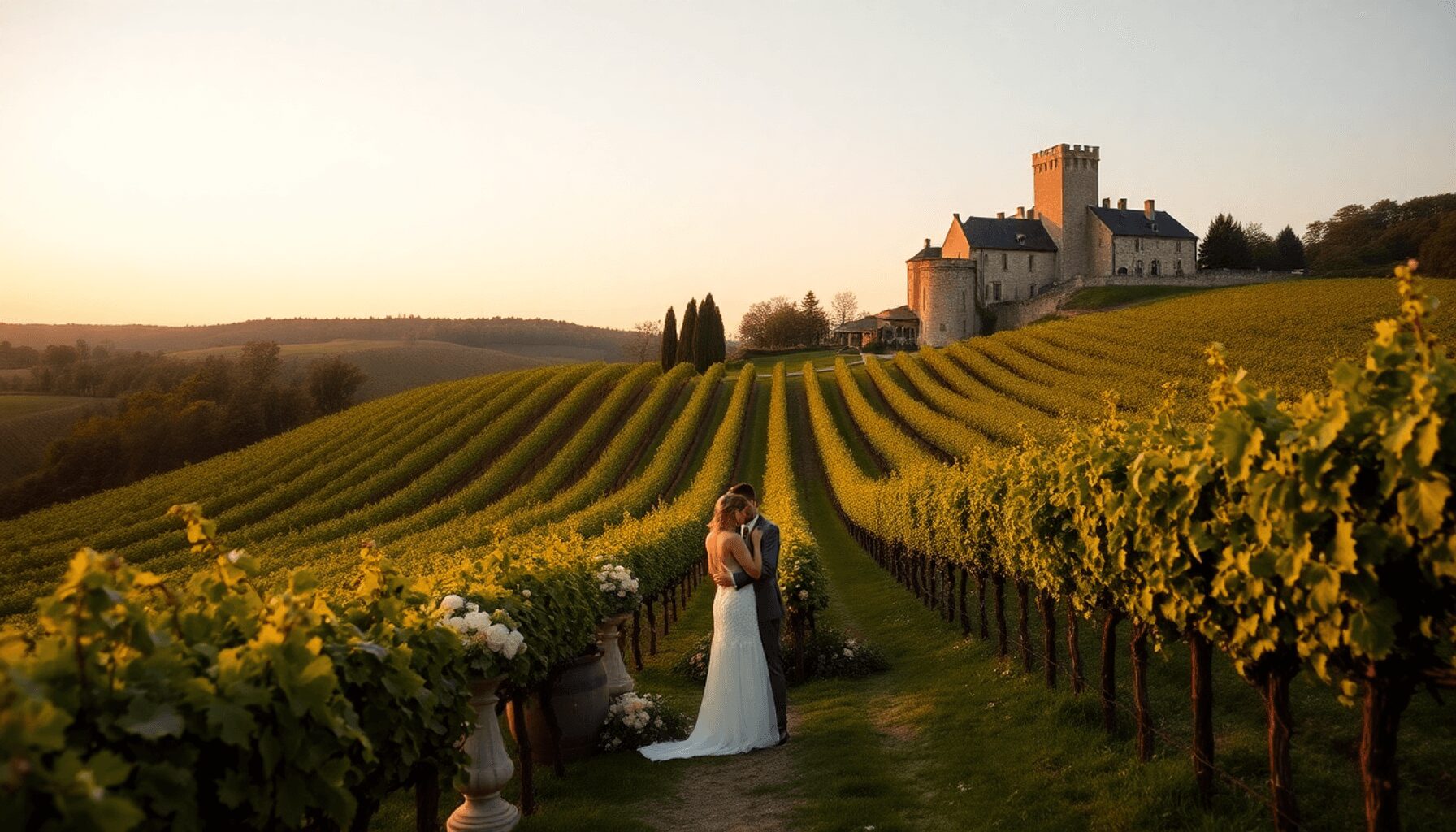
Elopements have transformed from secretive getaways into intentional, intimate celebrations that prioritize what truly matters—your commitment to each other. You're choosing to step away from the traditional 150-person reception hall and instead create a deeply personal experience that reflects your unique love story. This shift toward smaller, more meaningful ceremonies has opened up incredible possibilities for couples who want romance without the overwhelming logistics and expenses of conventional weddings.
French Wine Country stands as one of Europe's most enchanting settings for romantic elopement ideas. Picture yourself exchanging vows among rolling vineyards, with centuries-old châteaux providing the backdrop to your intimate ceremony. The regions of Bordeaux, Burgundy, Occitanie, and Nouvelle Aquitaine offer landscapes that seem designed specifically for love stories—sun-drenched terraces overlooking endless rows of grapevines, stone farmhouses draped in wisteria, and golden-hour light that photographers dream about.
The beauty of planning a budget-friendly elopement in French Wine Country lies in the inherent value these regions provide. You're not paying premium prices for manufactured romance—the setting itself delivers authenticity and charm. A simple ceremony at a family-owned vineyard can feel more luxurious than an expensive ballroom wedding, precisely because you're surrounded by genuine history, culture, and natural beauty.
Budget considerations don't mean compromising on your vision. When you choose French Wine Country for your elopement, you're actually making a strategic decision that stretches your wedding budget further. The cost of hosting 10 guests at a countryside estate often equals what you'd spend on flowers alone for a traditional wedding. You'll find that intimate celebrations in wine regions allow you to invest in experiences—exceptional local cuisine, quality photography, a few nights at a charming bed and breakfast—rather than spending thousands on elements that don't truly enhance your day.
The key to pulling off budget-friendly elopement ideas in French Wine Country is understanding where to allocate your resources and which traditional wedding expenses you can eliminate entirely. You don't need a wedding planner charging €5,000 when local vendors experienced in intimate weddings can guide you through the process. You won't require elaborate floral installations when vineyard landscapes provide natural beauty. The romantic setting does half the work for you, allowing your budget to focus on what creates lasting memories rather than fleeting impressions.
Why Choose French Wine Country for Your Elopement?
French Wine Country offers an unparalleled backdrop for couples seeking an intimate celebration that combines natural beauty with Old World romance. The rolling vineyards, centuries-old châteaux, and authentic French countryside create a setting that feels both timeless and deeply personal.
Exploring France's Premier Wine Regions
Bordeaux
Bordeaux stands as one of the world's most prestigious wine regions, stretching across southwestern France with its iconic estates and medieval villages. You'll find countless vineyard properties here that open their doors to intimate weddings, many featuring stunning architecture from the 18th and 19th centuries. The region's proximity to the Atlantic coast adds a unique dimension, with some venues offering views that blend vineyard rows with coastal horizons.
Burgundy
Burgundy presents a different character entirely—more intimate, with smaller family-owned vineyards dotting the landscape between Dijon and Lyon. The region's historic châteaux and stone farmhouses provide authentic settings that feel genuinely French rather than staged for tourists. You can exchange vows among the famous Côte d'Or vineyards, where the golden slopes create a natural amphitheater for your ceremony.
Occitanie
Occitanie in southern France delivers Mediterranean warmth alongside its wine production. This region encompasses areas like Languedoc-Roussillon, where you'll discover venues that cost significantly less than their northern counterparts while offering equally stunning settings. The climate here means you can plan outdoor ceremonies with greater weather confidence, and the rustic stone buildings typical of the area photograph beautifully against vineyard backdrops.
Nouvelle-Aquitaine
Nouvelle-Aquitaine covers a vast territory in southwestern France, including parts of Bordeaux but extending into lesser-known wine areas. This diversity gives you options ranging from grand estates to intimate family vineyards. The region's varied landscapes—from coastal areas to river valleys—mean you can find vineyard settings that match your specific vision without the premium prices of more famous appellations.
The Distinctive Appeal of Vineyard Weddings
Vineyard landscapes provide a naturally romantic setting that requires minimal decoration. The geometric patterns of vine rows create visual interest in every direction, while the changing seasons offer distinct aesthetics—spring's fresh green shoots, summer's lush canopies, autumn's golden leaves, or winter's stark architectural beauty.
Historic châteaux scattered throughout French Wine Country regions bring an element of grandeur that feels accessible rather than ostentatious. These properties often feature:
- Stone courtyards perfect for intimate ceremonies
- Barrel rooms that serve as atmospheric reception spaces
- Gardens designed centuries ago that still flourish today
- Wine cellars where you can host tastings for yourselves or small guest groups
The rustic charm of these venues comes from their working status—many are active wineries first and event spaces second. You're not renting a wedding factory; you're becoming part of a living tradition. The authenticity shows in details like weathered wooden doors, original tile floors, and the lingering scent of aging wine that permeates historic cellars.
Balancing Elegance with Authenticity
French Wine Country venues master the balance between refined elegance and unpretentious charm. A ceremony might take place in a manicured garden with views of perfectly aligned vines, followed by a reception in a centuries-old stone barn with exposed beams and rustic tables. This combination feels both sophisticated and genuine.
The natural elegance of these settings means you don't need elaborate decorations to create impact. A simple arch framed by vineyard views, candlelight in a barrel room, or a long table set with local pottery and fresh flowers captures the essence of French style without overwhelming it
Planning a Budget-Friendly Elopement in French Wine Country
The financial advantages of micro weddings and intimate ceremonies become immediately apparent when you compare them to traditional celebrations. You're looking at substantial savings across every category—from catering and venue costs to decorations and entertainment. A couples-only elopement or celebration with fewer than ten guests can reduce your overall wedding budget by 70-80% compared to conventional weddings.
The Financial Impact of a Small Guest List
When you limit your guest count, you unlock pricing flexibility that simply doesn't exist with larger events. Many vineyard estates in French Wine Country offer intimate ceremony packages starting at €1,500-€3,000, which typically include:
- Exclusive use of ceremony space for 2-4 hours
- Basic setup with existing venue décor
- Assistance from venue coordinator
- Access to picturesque photo locations on the property
These same venues might charge €8,000-€15,000 for full-day events with 50+ guests. You're paying for exactly what you need—nothing more.
The catering savings alone justify choosing an intimate ceremony. A three-course meal for two at a quality vineyard restaurant costs €150-€250, while catering for 50 guests easily reaches €5,000-€7,500. You can splurge on that Michelin-starred dining experience or vintage Bordeaux you've dreamed about when you're only budgeting for yourselves and perhaps a handful of loved ones.
Vendor Flexibility and Personalization
Small guest list benefits extend beyond pure cost savings. You gain unprecedented flexibility in vendor selection and customization options. Photographers who typically book full wedding days will often offer half-day packages for elopements at 40-50% of their standard rates. You're working with them for 3-4 hours instead of 8-10, which means they can fit your ceremony into their schedule more easily.
This flexibility applies across all vendor categories. Florists can create a stunning bridal bouquet and boutonnière for €80-€150 rather than elaborate arrangements for multiple tables. Hair and makeup artists charge €150-€250 for one person instead of €600+ for a bridal party. You're investing in quality services tailored specifically to your needs.
The personalization aspect transforms your entire planning experience. When you're organizing an intimate ceremony, vendors treat you differently. You're not just another booking—you become a collaborative partner in creating something unique. A local baker might design a custom two-tier cake featuring regional ingredients like lavender or chestnuts for €120-€180, giving you the same attention they'd provide to a €800 wedding cake order.
Streamlined Planning Process
Micro weddings eliminate the logistical nightmares that plague traditional wedding planning. You won't spend months managing RSVPs, dietary restrictions, seating charts, or transportation logistics for dozens of guests. This simplification saves you money in unexpected ways—you don't need a wedding planner to coordinate complex timelines or manage vendor schedules.
The reduced complexity means you can book vendors closer to your preferred date without paying premium rush fees. Many couples secure their French Wine Country elopement vendors just 3-6 months in advance, while traditional weddings require 12-18 months of planning. This shorter timeline gives you more accurate budget projections and reduces the risk of vendor price increases.
Maximizing Your Budget Through Strategic Choices
With intimate ceremonies, you redirect funds from quantity-driven expenses to quality-focused investments. Instead of purchasing 50 wedding favors at €8 each (€400 total), you might spend €200 on a private wine tasting experience [which could
Choosing Affordable Venues Outside Major Urban Centers
When you're exploring budget-friendly elopement ideas in French Wine Country, location becomes your most powerful financial tool. The decision to move away from Paris, Lyon, or Bordeaux's city centers can reduce your venue costs by 40-60% while delivering the authentic wine country experience you're seeking.
Countryside estates over city hotels offer you distinct financial advantages that extend beyond the initial price tag. You're not just saving on the venue rental itself—you're eliminating multiple hidden costs that urban locations typically impose. City hotels charge premium rates for ceremony spaces, often requiring minimum room blocks that don't make sense for intimate celebrations. They add service fees, restrict outside vendors, and limit your ceremony timing to specific windows that accommodate their larger event schedule.
Rural estates operate differently. You'll find property owners who welcome small, intimate gatherings and offer flexible arrangements that city venues simply can't match. Many countryside properties charge flat fees that include ceremony space, reception areas, and grounds access for photography—all elements that city hotels itemize separately.
Financial Benefits of Rural Venue Selection
The cost structure of countryside venues works in your favor:
- All-inclusive pricing models that bundle ceremony space, accommodation, and grounds access
- Extended rental periods allowing you to spread your celebration across multiple days without additional charges
- No vendor restrictions giving you freedom to select budget-conscious local providers
- Complimentary photography locations across vineyards, gardens, and historic architecture
- Reduced guest accommodation costs when lodging is included in the venue package
Examples of Affordable Venue Options with On-Site Accommodations
Affordable venue options with on-site accommodations transform your elopement logistics while protecting your budget. These properties eliminate the need for separate hotel bookings, guest transportation, and coordination between multiple locations.
Converted Farmhouses in Burgundy
Small wine estates throughout Burgundy offer restored farmhouses that accommodate 2-8 guests. You'll pay €800-1,500 for a two-night rental that includes the property for your ceremony. These venues feature stone architecture, vineyard views, and rustic interiors that create stunning backdrops without requiring additional decoration expenses. Properties near Beaune and Meursault provide easy access to wine tasting experiences while maintaining countryside tranquility.
Gîtes in the Loire Valley
Traditional gîtes (self-catering holiday homes) on wine estates offer you ceremony space and accommodation for €600-1,200 per weekend. You're getting private access to vineyard grounds, terrace spaces for intimate ceremonies, and fully equipped kitchens that allow you to manage catering costs. Many gîte owners maintain relationships with local officiants and photographers, connecting you with vendors who understand small-scale celebrations.
Boutique Wine Estates in Languedoc-Roussillon
This southern region delivers exceptional value for elopements. Small family-run wineries offer ceremony packages starting at €500-900, including venue access and basic setup. You'll find properties with 2-4 guest rooms priced at €80-150 per night—significantly less than comparable accommodations in Provence or Bordeaux. The Mediterranean climate extends your season options, and the region's lower tourism profile means vendors charge more reasonable rates.
Chambres d'Hôtes in Alsace
Alsatian wine country features charming bed-and-breakfast properties that cater to intimate weddings. These family-run establishments charge €700-1,400 for exclusive venue use, including overnight accommodation for 4-6 guests. You're gaining access to half
Timing Your Elopement for Cost Efficiency
When you're planning your French Wine Country elopement, the calendar becomes your best friend for keeping costs manageable. The difference between peak and off-season pricing can mean saving thousands of euros—money you could spend on extending your honeymoon or upgrading other aspects of your celebration.
Spring Elopements: March Through May
Spring elopements in French Wine Country offer you a sweet spot between weather and affordability. From March through May, you'll find venues charging 30-40% less than their summer rates. The vineyards come alive with fresh green vines, wildflowers dot the countryside, and temperatures hover comfortably between 15-20°C (59-68°F).
- March: brings you the lowest prices of the spring season, though you'll need to pack layers for cooler evenings.
- April: strikes an ideal balance—the landscape bursts with color as fruit trees blossom, and you'll encounter fewer tourists than in May.
- Late May: the weather becomes consistently warm, but prices start creeping toward summer rates.
You'll notice vendors have more availability during these months. Photographers, florists, and celebrants often offer better rates because they're not juggling multiple bookings per weekend. I've seen couples negotiate package deals that would be impossible during July and August.
Autumn Weddings France: September Through November
Early autumn weddings France present another golden opportunity for budget-conscious couples. September through November delivers spectacular scenery as vineyards transform into a patchwork of gold, amber, and crimson hues. The harvest season adds authentic charm to your celebration—you might even witness grape picking during your stay.
- September: remains relatively busy as it's still considered shoulder season, but prices drop approximately 25% compared to summer peaks. The weather stays warm and dry, with temperatures around 18-23°C (64-73°F). You'll find this month particularly appealing if you want guaranteed sunshine without summer's intensity.
- October: becomes your best value proposition. Venues slash rates by 35-45% while the scenery reaches peak beauty. The grape harvest creates a festive atmosphere throughout wine regions, and you can incorporate fresh harvest elements into your celebration. Temperatures cool to 12-18°C (54-64°F), perfect for outdoor ceremonies without overheating.
- November: offers the deepest discounts—sometimes up to 50% off peak rates—but comes with weather unpredictability. You'll need backup plans for rain, and some countryside venues reduce their services or close for the season.
Avoiding Peak Tourist Season Crowds and High Costs
Summer months (June through August) transform French Wine Country into a tourist magnet. Accommodation prices double or triple, venues book out 12-18 months in advance, and you'll compete with tour buses for photo opportunities at scenic spots.
Peak season also means:
- Minimum guest requirements at many venues (defeating the intimate elopement purpose)
- Premium pricing on all vendor services
- Limited last-minute availability for any aspect of your celebration
- Crowded restaurants requiring reservations weeks ahead
- Traffic congestion on scenic wine routes
Off-season weddings France let you experience these regions as locals do. You'll have vineyards practically to yourselves for photos, receive personalized attention from vendors who aren't rushing between events, and enjoy authentic interactions with winemakers who have time to chat.
Winter Elopements: Weighing the Pros and Cons
Winter elopements in French Wine Country (December through February) present the most dramatic cost savings—venues often charge 50-60% less than summer rates. If you're
Navigating Legal Requirements and Ceremony Options in France
Getting legally married in France involves specific requirements that you need to understand before planning your elopement. The French civil ceremony requirements can be complex for international couples, and knowing these rules upfront will help you make informed decisions about your celebration.
Understanding Civil Ceremony Residency Rules in France
France requires at least one partner to establish residency before you can legally marry in the country. The residency laws France weddings mandate that one of you must live in France for a minimum of 30-40 consecutive days (the exact duration varies by commune) before your wedding date. This residency must be established in the specific commune where you plan to marry.
You'll need to provide proof of residency through documents such as:
- Utility bills in your name
- Rental agreement or lease
- Tax documents showing French address
- Attestation from your landlord confirming your residence
The residency requirement presents a significant challenge for couples planning destination elopements, as maintaining a French address for over a month adds substantial costs to your budget. You'll need to factor in accommodation expenses, living costs, and the time commitment required to fulfill this obligation.
Property Ownership and Parental Residency Exceptions
Certain exceptions to the standard residency requirement can make legal marriage in France more accessible. If you or your parents own property in France, you may qualify for a residency waiver in some communes. The property ownership must be documented and verified through official French property records.
The parental residency exception allows you to marry in a commune where one of your parents has established residency. Your parent must have lived in the specific commune for at least one month before your wedding date. This option works particularly well if you have family connections to France or if your parents are willing to spend time in the country before your elopement.
Different communes interpret these exceptions with varying degrees of flexibility. Some town halls (mairies) are more accommodating to international couples, while others strictly enforce the standard residency requirements. You should contact the specific mairie where you want to marry at least six months before your planned date to confirm their policies.
Required Documentation for Legal Marriage
Beyond residency requirements, you'll need to gather extensive documentation for a legal French wedding. The paperwork process is thorough and time-consuming, requiring:
- Birth certificates (less than three months old, with official French translation and apostille)
- Proof of nationality (passport copies)
- Affidavit of marital status (sworn statement that you're legally free to marry)
- Certificate of celibacy or certificate of non-impediment from your home country
- Proof of residence in France
- Witness information (two witnesses minimum, with their identification documents)
All documents not originally in French must be translated by a certified translator recognized by French authorities. The translation and apostille process alone can cost €100-300 per document, adding to your overall elopement expenses.
The Publication of Banns
French law requires the publication of banns (announcement of your intended marriage) at the mairie for 10 days before your wedding ceremony. This public notice allows anyone to object to the marriage if they have legal grounds. The banns must be posted at the mairie in the commune where each partner resides, which can complicate matters for international couples.
Timeline for Legal Marriage Planning
You should start the legal marriage process at least six months before your desired wedding date. The timeline typically includes:
- 6 months before: Contact the mairie to confirm requirements and book your ceremony date
- 3-4 months before: Begin gathering and translating all required documents
Symbolic Ceremonies as a Budget-Friendly Alternative in French Wine Country
Symbolic wedding ceremonies France have become the preferred choice for international couples seeking romance without bureaucratic complexity. These non-legal elopements allow you to exchange vows in stunning vineyard settings while sidestepping France's strict residency requirements and extensive documentation processes.
The appeal is straightforward: you can marry exactly where and how you want, without waiting periods or legal restrictions. A symbolic ceremony in Bordeaux's rolling vineyards or among Burgundy's historic estates carries the same emotional weight as a legal marriage—you're just handling the paperwork elsewhere.
Why International Couples Choose Symbolic Ceremonies
Non-legal elopements offer distinct advantages that make them ideal for destination celebrations:
- No residency requirements – You can arrive days before your ceremony instead of establishing a 30-40 day residency
- Simplified documentation – Skip the apostilled birth certificates, divorce decrees, and translated documents
- Immediate scheduling – Book your ceremony date without navigating French administrative timelines
- Location freedom – Marry anywhere in wine country, not just designated civil ceremony venues
- Time efficiency – Complete your legal marriage at home before or after your French celebration
The practical approach involves obtaining your marriage license in your home country or a location with simpler requirements. Many couples visit their local courthouse weeks before their French elopement, handling legalities in 30 minutes. This leaves your wine country experience focused entirely on celebration and romance.
Flexibility That Transforms Your Celebration
Budget-Friendly Elopement Ideas in French Wine Country become significantly more accessible through symbolic ceremonies. Without legal constraints, you gain control over every element:
Ceremony timing becomes yours to design. You're not bound to specific hours when French officials are available. Sunrise ceremonies overlooking Provence vineyards? Sunset vows in a Burgundy cellar? Midday celebrations under ancient oak trees? All options remain open.
Venue selection expands dramatically. Legal marriages in France require ceremonies at town halls or approved locations. Symbolic ceremonies happen anywhere—private vineyard terraces, family-owned wineries, countryside châteaux, or even among the vines themselves. This flexibility often translates to better pricing, as you're not limited to venues with legal certification.
Your ceremony length reflects your preferences. Legal ceremonies in France follow prescribed formats and durations. Symbolic celebrations can last five minutes or fifty, depending on what feels right for you.
Creating a Ceremony That Reflects Your Story
Personalization reaches its fullest expression in symbolic ceremonies. You're not reading required text or following mandated structures—you're crafting something uniquely yours.
- Choose your officiant based on connection, not credentials. A close friend who knows your relationship history can lead your ceremony. A bilingual celebrant who understands both your culture and French traditions can weave meaningful elements together. Some couples hire professional celebrants specializing in intimate wine country weddings; others ask family members to officiate.
- Write vows that sound like you. Without legal language requirements, your words can be poetic, humorous, deeply personal, or all three. You might exchange promises in English, French, or blend multiple languages that represent your backgrounds.
- Incorporate rituals that resonate. Wine ceremonies feel particularly meaningful in vineyard settings—blending two wines to symbolize your union, sharing a bottle from your ceremony year to open on future anniversaries, or planting a grapevine together. You might include handfasting, unity candles, or traditions from your cultural heritage without seeking approval.
- Design the ceremony structure around what matters most to you.
Transportation Tips to Reduce Travel Costs while Eloping in French Wine Country
Getting to and around French Wine Country doesn't have to drain your elopement budget. Smart travel logistics elopement planning can save you hundreds—sometimes thousands—of euros while still delivering the romantic experience you're dreaming of.
Leveraging France's High-Speed Rail Network
Train travel France offers one of the most cost-effective ways to reach wine regions from major international airports. The TGV (Train à Grande Vitesse) connects Paris to Bordeaux in just over two hours, with tickets starting around €25-€50 when booked in advance. You'll find similar affordable transportation France options connecting Lyon to Burgundy's wine villages in under an hour.
Key rail routes for wine country access:
- Paris to Reims (Champagne region): 45 minutes
- Paris to Dijon (Burgundy): 1 hour 40 minutes
- Paris to Bordeaux: 2 hours 15 minutes
- Lyon to Avignon (Rhône Valley): 1 hour
Booking your train tickets 3-4 months ahead typically unlocks the lowest fares. I've personally scored TGV tickets for under €30 by purchasing during SNCF's promotional periods, which usually run in January and September. The SNCF Connect app makes comparing prices across different dates incredibly simple, allowing you to shift your travel by a day or two to capture better rates.
Regional TER trains provide even cheaper connections between smaller wine towns, though they move at a slower pace. A TER journey from Dijon to Beaune costs around €8-€12 and takes 30 minutes—perfect for couples planning to explore multiple vineyard locations without breaking the bank.
Strategic Venue Selection Near Transportation Hubs
Choosing a venue within easy reach of major airports or train stations eliminates the need for expensive private transfers or multi-day car rentals. Venues located 15-30 minutes from transportation hubs offer the best balance between accessibility and authentic wine country atmosphere.
The Bordeaux wine region provides excellent examples of this strategy. Properties near the Libourne train station give you direct access to Saint-Émilion's vineyards while keeping you connected to Bordeaux's international airport (just 45 minutes away). You can arrange a single taxi transfer for €40-€60 instead of renting a car for multiple days at €200-€300.
Burgundy's Beaune train station serves as another strategic base. Dozens of charming vineyard estates sit within a 10-kilometer radius, and local taxi services charge €15-€25 for short trips to ceremony locations. Some venues even offer complimentary pickup services for elopement couples—always worth asking about when you're making initial inquiries.
Questions to ask venue coordinators about transportation:
- How far is the property from the nearest train station or airport?
- Do you provide shuttle services or can you recommend reliable local drivers?
- Are there taxi services available in the area, or should we arrange private transfers in advance?
- Can guests staying on-site access nearby towns without a vehicle?
Budget-Friendly Alternatives to Car Rentals
Car rentals in France typically cost €40-€80 per day, plus fuel, insurance, and parking fees. For a week-long elopement trip, you're looking at €300-€600 before you've driven a single kilometer. Several alternatives can reduce these travel logistics elopement expenses significantly.
Ride-sharing services like BlaBlaCar connect you with locals driving between cities and wine regions
Incorporating French Wedding Traditions on a Budget into Your Elopement
French wedding traditions carry centuries of romance and cultural significance that can transform your intimate elopement into an authentic celebration. You don't need a large guest list or substantial budget to weave these meaningful customs into your special day.
Adapting La Noce for Intimate Celebrations
The La Noce parade traditionally involves the wedding party parading through town streets with honking horns and ribbons streaming from cars. You can recreate this charming tradition on a smaller scale by walking through your chosen village or vineyard estate with your photographer capturing candid moments. Local villagers often wave and cheer when they spot couples in wedding attire, creating spontaneous joy without any cost.
Consider these budget-friendly adaptations:
- Walk hand-in-hand through the cobblestone streets of your venue's nearby village
- Tie simple white ribbons to your rental car or bicycle for photos
- Ask your photographer to document your stroll through vineyard rows at golden hour
- Stop at a local café for champagne, inviting friendly locals to toast your marriage
Regional Cuisine Without the Catering Price Tag
French regional cuisine offers incredible flavors that don't require expensive catering services. Wine country markets overflow with artisanal products perfect for creating your own wedding feast.
Simple yet elegant food options include:
- Fresh baguettes from the local boulangerie paired with regional cheeses
- Crêpes filled with seasonal ingredients (savory for dinner, sweet for dessert)
- Charcuterie boards featuring local pâtés and cured meats
- Seasonal fruit tarts from village pâtisseries
- Wine from your venue's own vineyard or nearby producers
Many countryside estates allow you to bring your own food, eliminating costly catering minimums. You can arrange a picnic-style meal in the vineyard or create a simple spread in your accommodation. Some venues even provide kitchen access where you can prepare dishes together, turning meal preparation into part of your celebration.
The Croquembouche Cake Tradition
The croquembouche cake—a tower of cream-filled profiteroles bound with caramel—stands as one of France's most iconic wedding desserts. While elaborate versions from Parisian pâtisseries command premium prices, you have affordable alternatives.
Small-town bakeries throughout wine country create beautiful croquembouches at a fraction of city prices. You can order a modest version serving just two to four people, maintaining the tradition without the waste or expense. Some bakers offer mini croquembouches as individual desserts, giving you the authentic experience in a perfectly portioned size.
Alternative approach: Purchase fresh profiteroles from a local bakery and arrange them yourself with powdered sugar and fresh berries. The result looks elegant in photos while costing significantly less than a traditional tower.
The Vin d'Honneur Reimagined
The vin d'honneur—a cocktail hour where guests enjoy wine and light bites—typically occurs between the ceremony and reception. For your elopement, transform this into an intimate wine tasting experience at your venue's cellar or a nearby winery.
Many small producers offer complimentary tastings when you purchase a few bottles. You can create your own mini vin d'honneur by:
- Visiting a family-owned winery for a private tasting
- Purchasing several bottles to enjoy throughout your stay
- Pairing wines with simple cheeses and bread from local markets
- Learning about the winemaking process directly from producers
Working with Local Vendors Experienced in Intimate Weddings in French Wine Country
Local wedding vendors in France possess invaluable knowledge that can enhance your elopement experience while keeping your budget intact. These professionals understand the intricacies of destination wedding packages specifically designed for couples seeking intimate celebrations in vineyard settings.
The Regional Expertise Advantage
Vendors who specialize in wine country elopements know which vineyards offer the best value for photography backdrops, which châteaux provide affordable ceremony spaces, and which times of day create the most stunning natural lighting. I've seen couples save hundreds of euros simply by following their photographer's recommendation to schedule their ceremony an hour earlier, avoiding the need for expensive artificial lighting equipment.
These budget-friendly vendors maintain relationships with estate owners, allowing them to negotiate better rates than you could secure independently. A local florist in Burgundy, for instance, sources seasonal blooms directly from regional growers rather than importing expensive arrangements from Paris. This connection to the local supply chain means you get fresh, beautiful flowers at a fraction of typical wedding costs.
Tailored Packages for Micro Weddings
Many vendors in French wine regions now offer specialized elopement packages that bundle essential services:
- Photography coverage (2-4 hours)
- Simple floral arrangements or bouquets
- Hair and makeup services
- Officiant coordination for symbolic ceremonies
- Basic ceremony setup with chairs and arch
These packages typically range from €1,500 to €3,500, depending on the region and services included. You're paying for exactly what you need rather than inflated full-wedding pricing structures that include services irrelevant to intimate celebrations.
A wedding planner based in Bordeaux might charge €800-€1,200 for elopement coordination compared to €3,000+ for traditional wedding planning. Their focused approach means they handle venue communication, vendor scheduling, and timeline creation without the overhead of managing large guest lists or complex reception logistics.
Quality Assurance Through Local Knowledge
Working with experienced local professionals protects you from common pitfalls that drain budgets. They know which venues have hidden fees, which require expensive insurance policies, and which offer the most flexibility for small gatherings. This insider knowledge prevents costly surprises that can derail your budget.
Local vendors also understand French business practices and communication styles. Your photographer knows to confirm appointments multiple times, your florist understands delivery logistics to rural estates, and your planner can navigate any language barriers with venue staff. These seemingly small details prevent miscommunications that could result in expensive last-minute solutions.
Finding the Right Vendors
Start your search by contacting wedding planners who specialize in destination wedding packages for French wine country. They maintain networks of trusted vendors and can recommend professionals within your budget range. Many planners offer à la carte services, allowing you to hire them for specific tasks like vendor coordination or timeline creation rather than full-service planning.
Request portfolios from photographers and videographers who have worked extensively in wine country settings. You want professionals who understand how to work with natural vineyard landscapes, know the best spots on various estates, and can maximize the romantic atmosphere without requiring elaborate setups.
Ask potential vendors about their experience with elopements specifically. A florist who regularly creates intimate bouquets and small ceremony arrangements will provide better value than one who primarily designs large-scale installations. Similarly, a makeup artist experienced with outdoor wine country weddings knows which products withstand humidity and temperature changes throughout the day.
Communication and Contract Considerations
Establish clear communication channels with your vendors early in the planning process. Many budget-friendly vendors in French wine regions speak English, but confirm language
Conclusion
French Wine Country proves that you don't need an unlimited budget to create a wedding celebration that feels extraordinary. The rolling vineyards, centuries-old châteaux, and intimate village settings provide a naturally romantic backdrop that requires minimal decoration or enhancement. When you choose affordable elopement ideas French Wine Country offers, you're investing in authentic experiences rather than expensive extras.
The beauty of planning romantic intimate weddings France is that the destination itself does most of the work. A simple ceremony among the vines carries more emotional weight than an elaborate production in a generic venue. You'll find that limiting your guest list to just the two of you—or a handful of your closest people—creates space for genuine connection and meaningful moments that larger celebrations often miss.
Budget-Friendly Elopement Ideas in French Wine Country aren't about cutting corners or settling for less. They're about making intentional choices that align with what truly matters to you as a couple. When you select a countryside estate over a luxury hotel, time your celebration during shoulder season, or work with local vendors who understand intimate weddings, you're not compromising—you're prioritizing authenticity and personal significance over convention.
The strategies outlined throughout this guide demonstrate that thoughtful planning beats unlimited spending every time. You can sip wine from local vineyards, exchange vows in historic settings, and celebrate with regional cuisine without draining your savings account. The vendors and venues in these wine regions have adapted to serve couples like you who value experience over extravagance.
Your elopement in French Wine Country can be everything you've imagined: romantic, memorable, and uniquely yours. The lavender fields of Provence, the golden slopes of Burgundy, and the medieval villages of Bordeaux await couples ready to embrace a different kind of celebration. Start planning your intimate wine country wedding today, and discover how the most meaningful celebrations often come with the most reasonable price tags.
FAQs (Frequently Asked Questions)
Why is French Wine Country an ideal location for a budget-friendly elopement?
French Wine Country offers a picturesque and romantic setting with its historic châteaux and vineyard landscapes, combining rustic charm and elegance. Its diverse wine regions like Bordeaux, Burgundy, Occitanie, and Nouvelle Aquitaine provide unique venues that are perfect for intimate and budget-conscious celebrations.
How can couples save money by planning a micro wedding or intimate ceremony in French Wine Country?
Opting for micro weddings or intimate ceremonies with a small guest list reduces overall costs significantly. Couples-only or minimal guest celebrations allow for greater flexibility with vendors, personalized experiences, and cost savings on venue, catering, and accommodations.
What are some affordable venue options for elopements outside major urban centers in French Wine Country?
Choosing countryside estates over city hotels offers more affordable venues often with on-site accommodations. These venues provide charming settings at lower prices while maintaining the romantic ambiance of the wine country, making them ideal for budget-friendly elopements.
When is the best time to schedule an elopement in French Wine Country to maximize cost efficiency?
Scheduling your elopement during the off-season months such as spring (March-May) or early autumn (September-November) can lead to lower prices and pleasant weather. Avoiding peak tourist seasons helps reduce costs and allows for a more intimate experience. Winter elopements have pros and cons but can also be considered for budget savings.
What legal requirements should couples be aware of when planning a civil ceremony in France?
Couples must understand French civil ceremony residency laws which typically require at least one partner to have residency in France. However, exceptions exist such as property ownership or parental residency waivers. Being informed about these rules helps ensure smooth legal marriage proceedings during your elopement.
How can couples incorporate authentic French wedding traditions into their budget-friendly elopement?
Couples can enrich their celebration by including meaningful traditions like 'La Noce' town hall parades adapted for small events, serving regional cuisine such as crêpes, cheese, bread, and local wines without extravagant catering costs. These cultural touches add romance and authenticity while keeping expenses manageable.