
The Aperitif Hour at Your French Wedding: Cremant, Kir and Local Traditions
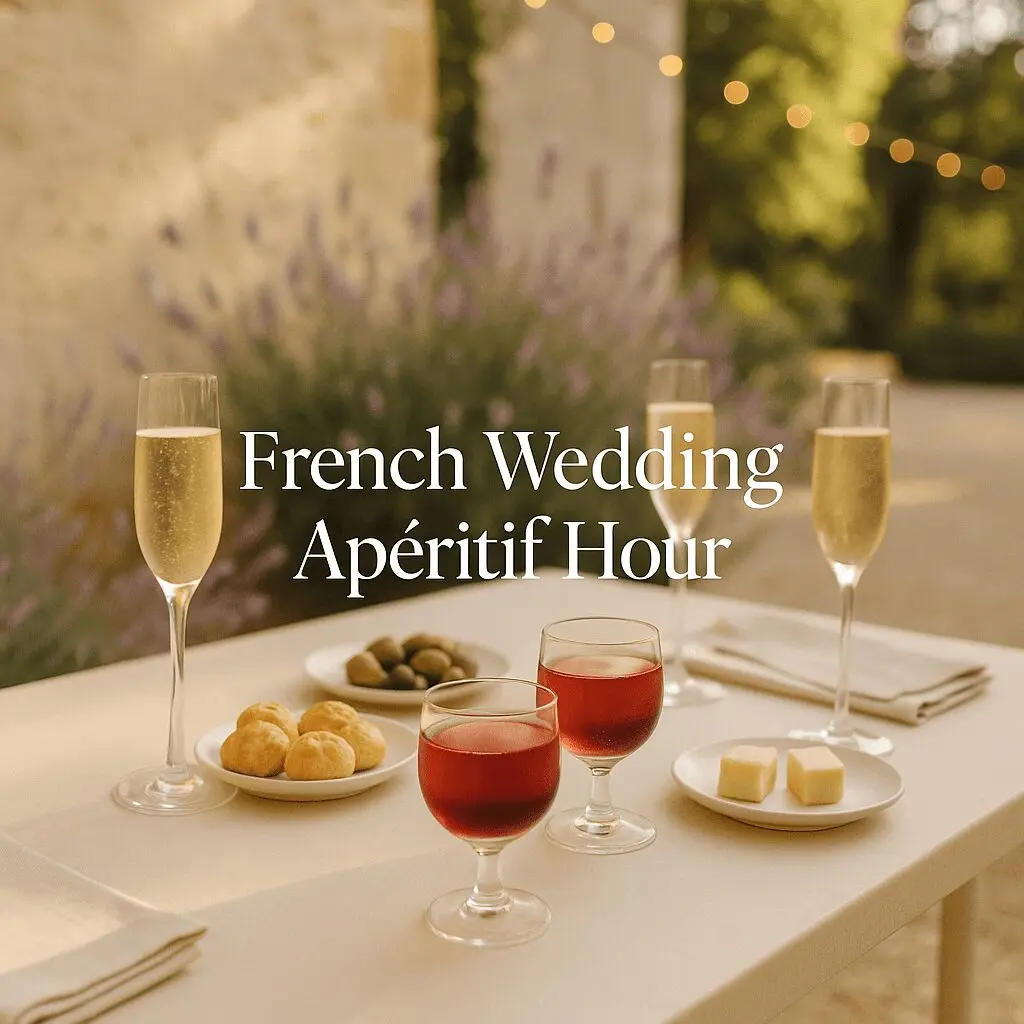
There’s a moment at a French wedding that always feels like the real beginning.
Not the ceremony. Not the first photo. Not even the first little speech where someone’s voice wobbles.
It’s the aperitif hour. The apéro. That lovely in between time where everyone finally exhales, clinks glasses, and starts talking to the people they came for… and the people they didn’t know they were going to love.
If you’re planning a wedding in France, especially in a wine region like Beaujolais, the aperitif is not an optional extra. It’s a whole mini event. And honestly, it can become one of the best parts of the day because it sets the tone. It’s warm, it’s social, it’s a little indulgent, and it’s very French without feeling stiff.
This is your guide to doing it well. Crémant, Kir, local traditions like these traditional products, what to serve, how long it should last, and how it can work beautifully at a venue like Domaine de Vavril in Beaujeu.
What “aperitif hour” really means in France
First, it’s rarely just one hour.
In France, the cocktail hour is often closer to 90 minutes to 2 hours, sometimes longer if the schedule allows it. It’s designed for:
- giving guests something to do while you’re taking photos
- easing everyone into the evening
- letting different groups mingle before they sit down
- and, yes, feeding people enough that they don’t get wobbly on an empty stomach
It’s also the part of the day where French hospitality really shows. Lots of little bites. Multiple rounds. A drink that feels celebratory but not too heavy. Conversation that builds. The sense that the evening is unfolding slowly, on purpose.
At a countryside venue like Domaine de Vavril, with space to spread out and that beautiful Beaujolais setting, it gets even better. The environment naturally encourages guests to wander a bit – find a patch of sun, chat near the garden, drift back toward the reception space – rather than squeezing everyone into a corner with one crowded bar.
And this relaxed atmosphere can be further enhanced by hiring a professional who understands local traditions and customs; which brings us to another question – is hiring a French wedding planner really worth it?
Additionally, if you’re considering adding some unique experiences for your guests during their stay or after your wedding, you might want to explore some wine tours in the region which could provide memorable experiences while deepening their appreciation for local wines.
Crémant: the wedding friendly French bubbles
Champagne is iconic. But Champagne is also… expensive. And sometimes a little too formal for the vibe couples want, especially for the aperitif.
That’s where Crémant comes in.
Crémant is French sparkling wine made using the traditional method (the same general method as Champagne) but produced outside the Champagne region. It tends to be:
- more affordable
- softer on the budget when you’re serving a crowd
- still genuinely elegant and “wedding appropriate”
You’ll see Crémant from different regions: Crémant de Bourgogne, Crémant d’Alsace, Crémant de Loire, and others.
If you’re getting married around Beaujolais, Crémant de Bourgogne is a common choice because it’s nearby and fits the regional feel. Crisp, bright, easy to love.
How to serve Crémant at your aperitif
A few simple ideas that work every time:
- Welcome pour as guests arrive (it immediately sets the mood)
- Bar format where guests can choose Crémant or a still option
- Tray service for the first 20 minutes, then open bar after
And yes, it looks great in photos. That matters more than people admit.
Kir and Kir Royal: the classic French wedding aperitif
If you want something that feels deeply French, not just “sparkling wine because wedding,” go for a Kir.
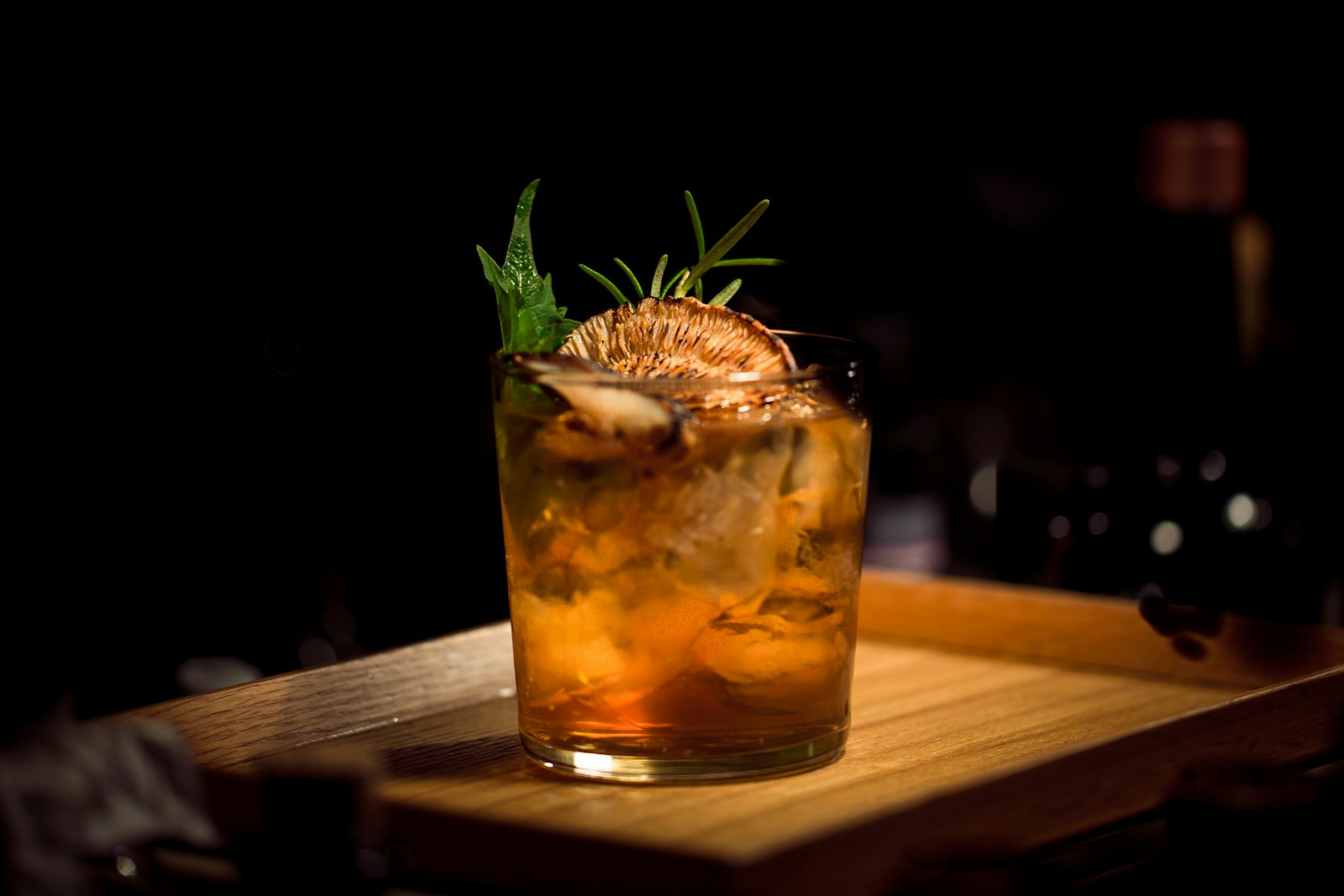
A Kir is traditionally white wine + crème de cassis (blackcurrant liqueur). It’s simple, slightly sweet, and very familiar in France as an aperitif. It’s also a bit nostalgic for a lot of French families, which is part of the charm.
A Kir Royal swaps the white wine for sparkling wine (Crémant is perfect), making it more festive.
Incorporating these traditional French wedding customs, such as serving Crémant or Kir during your reception can add a unique touch to your special day. If you’re considering a more intimate celebration, planning your dream wedding in a French vineyard could be an enchanting option. With its stunning landscapes and romantic ambiance, it’s no wonder that French vineyards are popular wedding venues. Plus, knowing how to pair French wines with your wedding menu can elevate your dining experience significantly.
Why Kir works so well at weddings
- It’s easy to serve in volume
- It feels like a “real” aperitif, not a generic drink
- It has a pretty color, especially in clear glassware
- Guests who don’t love dry sparkling often prefer it
One small note though. Kir can be deceptively easy to drink. Which is great, until it’s 7:30 pm and someone’s already telling the same story twice. So just balance it with plenty of food and water, and you’re good.
A fun local twist
In different parts of France, you’ll find variations using other fruit liqueurs. If you want a little wink to local tradition, you can offer one alternative Kir style alongside cassis. Something like peach (pêche) or raspberry (framboise) can be really popular.
Don’t forget the local wine. Especially in Beaujolais.
If you’re marrying in the Beaujolais, it would be almost rude not to include it. In the nicest way.
Beaujolais is joyful wine. It’s social wine. It’s the kind of wine that makes the aperitif feel like a party rather than a tasting session.
So alongside Crémant or Kir, consider offering:
- a light Beaujolais red served slightly cool
- or a Beaujolais blanc if you want something fresh and unexpected
- and a simple rosé if your crowd loves it
At a venue like Domaine de Vavril, where the region is part of the identity of the place, leaning into local wine makes the whole wedding feel more rooted. Less copy paste. More, yes this is where we are.
And guests remember that.
This approach also aligns perfectly with the benefits of working with local artisans and vendors when planning events abroad, as it not only enhances the authenticity of your celebration but also supports the local economy.
The food is the real star of the aperitif
In France, the aperitif isn’t just drinks with a bowl of mixed nuts.
It’s often closer to a roaming appetizer experience. People expect little bites. And not just one round.
You’ll typically have:
- cold canapés first (easy, quick)
- warm bites passing later (that’s when people start going back for seconds)
- sometimes one or two slightly bigger stations (cheese, charcuterie, oysters, plancha, etc.)
What works beautifully for a French wedding aperitif
A few crowd favorites that feel very on theme:
- gougères (cheese puffs)
- mini quiches or pissaladière bites
- saucisson and local charcuterie
- Comté cubes, goat cheese toasts, little cheese chouquettes
- tapenade on toast
- seasonal verrines (tiny cups, often with veggie or seafood layers)
If you’re in a wine region, adding local cheese and charcuterie is basically a cheat code. It looks abundant, it tastes incredible, and it pairs naturally with what’s in the glass.
The one thing to avoid
Too many complicated items that guests can’t eat while standing and talking.
Aperitif food should be:
- one bite, or close
- not messy
- not overly sauced
- not something that requires a fork and full attention
Because they’re going to be holding a drink, greeting people, taking photos, and trying to find the bathroom. It’s a lot.
Timing and flow: how to make it feel effortless
The best aperitif hour has a rhythm to it, even if nobody notices it consciously.
A structure that works well:
- Arrival and welcome drink (15 to 20 min)
- First wave of cold bites (people settle in)
- Photos happen (guests mingle, music helps here)
- Warm bites come out (energy lifts again)
- A small “finale” before dinner, like a special tray or a station reveal
And if you’re doing speeches, the aperitif is a nice place for one short toast. Just one. Keep it light. Save the longer ones for dinner.
If your venue has multiple outdoor corners, you can gently guide flow with little setups. A bar here, a food table there, a water station somewhere obvious. People naturally spread out, and it feels like a relaxed garden party.
A very French detail: water, always
It sounds boring, but it’s one of the most important parts of the aperitif.
French weddings often run long. Like, properly long. And the aperitif is where guests can accidentally get ahead of themselves.
So make water easy:
- water carafes on a visible table
- infused water (lemon, mint, cucumber) if you want it pretty
- and ideally some non-alcoholic options that feel intentional, not like an afterthought
A simple sparkling lemonade, a botanical tonic with citrus, even a “mocktail Kir” style drink with blackcurrant syrup and sparkling water. People appreciate it more than they say.
For those considering a more intimate setting for their celebration, micro-weddings in French vineyards could be an enchanting alternative to traditional wedding venues.
Music and atmosphere: keep it light, not loud
During the aperitif, guests are talking. A lot. They’re meeting cousins, translating for each other, catching up, doing the whole social dance.
So the music should support that, not compete with it.
Most couples go for:
- live acoustic (jazz duo, guitar, light vocals)
- or a curated playlist that feels warm and upbeat
- nothing too bass heavy yet
This is where the wedding starts feeling like your wedding. Not a formal event. Your people, your choices, your mood.
A quick word on weather and Plan B
If you’re planning a destination wedding in France, you already know the dream: golden light, outdoor aperitif, everyone with a glass in hand, the château vibe.
But. Weather is weather.
The good news is that a proper venue will have options. Covered spaces, indoor areas that still feel nice, and a way to keep the aperitif flowing without it turning into a cramped hallway situation.
When you’re looking at venues for your destination wedding planning from Lyon to your vineyard, it’s worth asking specifically: where does the aperitif happen if it rains? And will it still feel like an aperitif, or just waiting around?
If you’re currently exploring places, Domaine de Vavril is set up as a full event space with practical solutions for wedding planning in France, not just a pretty backdrop. This makes these practical details easier to solve without losing the atmosphere. You can see the feel of the domain and its spaces on vavril.fr and imagine how guests will move through it.
Additionally, if you’re considering a sustainable approach to your wedding, Domaine de Vavril also offers sustainable wedding venues in French vineyards. This could be an excellent option if you’re looking to minimize your environmental impact while still having an unforgettable celebration.
Lastly, if you’re planning a winery wedding reception at Domaine de Vavril or elsewhere in France, remember to leverage their vendor networks for seamless planning from abroad.
How to choose your aperitif drinks (a simple formula)
If you want this to be easy, here’s a formula that works for most weddings:
- 1 sparkling option: Crémant (and optionally Kir Royal)
- 1 local still wine: Beaujolais red or white
- 1 non alcoholic “nice” option: infused water or a real mocktail
- plus beer if your crowd expects it
That’s it.
You don’t need a ten cocktail menu. You need a few choices that feel coherent, regional, and generous.
The aperitif is where your guests fall in love with France
People remember the aperitif. They just do.
They remember the first sip of something bubbly in a quiet vineyard town. They remember the little gougères. The sunlight. The clink of glasses. The way the day felt unhurried, like it had space to breathe.
So if you’re planning your French wedding and you’re thinking of cutting corners here, don’t. Put your energy into the aperitif. Make it local. Make it warm. Make it taste like where you are.
And if you’re still choosing the setting, pick somewhere that naturally supports that kind of moment, with space, flow, and that Beaujolais hospitality baked in. You can explore Domaine de Vavril, a perfect venue for hosting your wedding weekend where you can also incorporate wine tastings into your wedding weekend, and ensure that your guests have an unforgettable experience with activities and entertainment in the beautiful wine country.
Because honestly.
A great aperitif hour is not just a pre dinner break.
It’s the start of the celebration. The real one.
FAQs (Frequently Asked Questions)
What is the significance of the aperitif hour at a French wedding?
The aperitif hour, or apéro, is a cherished moment at French weddings that serves as a warm, social mini event where guests relax, mingle, and enjoy drinks and bites. It sets the tone for the evening by creating a relaxed and indulgent atmosphere, allowing guests to connect before the main ceremony and dinner.
How long does the aperitif hour typically last at French weddings?
In France, the cocktail or aperitif hour usually lasts between 90 minutes to 2 hours, sometimes longer depending on the schedule. This extended time allows guests to socialize, enjoy multiple rounds of drinks and bites, and eases everyone into the evening’s festivities.
Why is Crémant recommended over Champagne for wedding aperitifs in regions like Beaujolais?
Crémant is a sparkling wine made using the traditional method like Champagne but produced outside the Champagne region. It tends to be more affordable while still elegant and wedding-appropriate. In wine regions like Beaujolais, Crémant de Bourgogne is popular because it complements the regional feel and offers a crisp, bright taste perfect for aperitif hour.
What are some traditional French aperitif drinks served at weddings?
Classic French aperitif drinks include Kir and Kir Royal. A Kir combines white wine with crème de cassis (blackcurrant liqueur), offering a slightly sweet and nostalgic flavor. A Kir Royal substitutes white wine with sparkling wine like Crémant, making it more festive and celebratory for weddings.
How can venues like Domaine de Vavril enhance the aperitif experience?
Venues such as Domaine de Vavril in Beaujeu provide spacious countryside settings that encourage guests to wander, chat in gardens, or relax in sunny patches during aperitif hour. This relaxed atmosphere fosters natural mingling and enhances French hospitality traditions, making the apéro even more enjoyable.
Is hiring a French wedding planner beneficial for organizing an authentic aperitif hour?
Yes, hiring a French wedding planner can be highly beneficial as they understand local traditions and customs essential for an authentic aperitif experience. They can help coordinate details like serving traditional products, managing timing, and incorporating regional touches that enrich your wedding celebration.