
Where to Stay in Beaujolais: Vineyard Gîtes Near Lyon
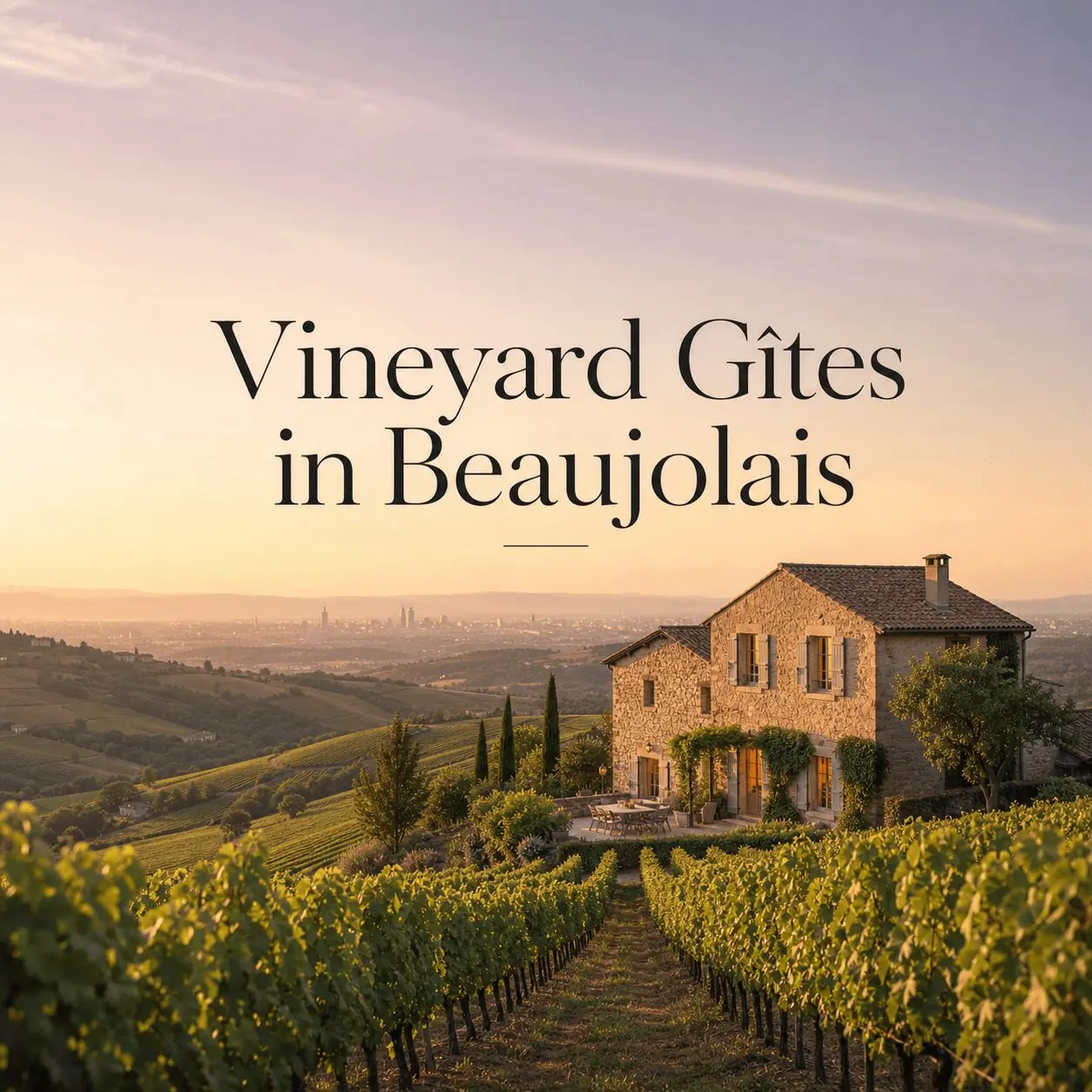
If you’re looking at Beaujolais on a map, it almost feels unfair.
It’s right there north of Lyon. Close enough for an easy weekend. But once you’re in the hills, on those little vineyard roads with the stone villages and the rows of vines, it doesn’t feel like “near a big city” anymore. It feels slower. More local. The kind of place where you suddenly care what time the bakery opens.
And that’s exactly why where you stay matters.
Because Beaujolais is not the sort of region where you want a generic hotel by a roundabout. You want a base that matches the mood. A vineyard gîte, a small domaine, or even one of those exclusive vineyard venues near Geneva which offer unique experiences, like these. It’s about finding a proper countryside property where mornings start with coffee outside and nights end with a bottle you picked up down the road.
This guide is about that. Vineyard gîtes and estate stays near Lyon, what areas to aim for, what kind of stay fits what kind of trip, and a few very practical tips so you don’t accidentally book something “in Beaujolais” that is actually 45 minutes from anywhere you planned to visit.

Why a vineyard gîte in Beaujolais is the sweet spot
A gîte in Beaujolais tends to be one of two things.
Either it’s a converted stone house in a village, charming and compact, walkable to a bar-tabac and maybe a bakery.
Or it’s a countryside place, often part of a wine estate, where you’re surrounded by vines. The second one is what most people imagine. And honestly. It’s what works best if you’re here to actually feel the region.
A vineyard gîte stay usually gives you:
- Quiet nights. Like actually quiet.
- Space. Terraces, gardens, sometimes a pool.
- Proximity to tastings and small producers without needing a big plan.
- A sense of place that hotels rarely pull off in wine regions.
Also, Beaujolais is deceptively spread out. It’s not huge, but the roads wiggle. You’ll thank yourself later for picking a central base.
If you’re considering hosting an event or wedding in this picturesque region, it’s worth noting that there are specific seasons that are more favorable than others. For insights on how to choose the right season for your Beaujolais wedding or event, this guide will be invaluable.
Additionally, if you’re planning on indulging in some local cuisine during your stay, don’t miss out on trying the [traditional dish of oeufs meurette au Beaujolais nouveau](https://vavril.fr/la-recette-des-oeufs-meurette-au-beaujolais-nouveau/), which beautifully showcases the region’s culinary heritage.
Finally, for those seeking luxury amidst the serene beauty of Beaujolais while maintaining a zen attitude, consider exploring some options between luxury and tranquility as suggested in this [insightful article](
Quick reality check: how close is Beaujolais to Lyon?
People ask this all the time, so here’s the simple version.
- Lyon to the southern Beaujolais (around L’Arbresle, Bully, Châtillon d’Azergues): roughly 25 to 40 minutes depending on traffic.
- Lyon to Villefranche-sur-Saône (a common gateway town): about 30 minutes.
- Lyon to the “cru” villages (Morgon, Fleurie, Moulin-à-Vent): typically 45 minutes to 1 hour 15.
If you’re flying into Lyon, landing and being in vineyard country within the hour is totally realistic. Which is kind of the whole point.
The best areas to stay in Beaujolais (and what they feel like)
1) Southern Beaujolais: closer to Lyon, easier, a bit more “weekend” energy
This is the Beaujolais people don’t always talk about enough. Golden stone villages. Gentle hills. Very pretty. And very convenient.
Stay here if you want:
- quick access from Lyon
- shorter drives between villages
- a mix of wine, markets, and casual sightseeing
- a slightly softer, less “wine-nerdy” vibe
Good bases: around Oingt, Theizé, Bagnols, Val d’Oingt, Charnay, Anse.
It’s also a great choice if you’re doing a wedding or private event nearby and you want guests to have an easy route from Lyon. In fact, planning a destination wedding from Lyon to your vineyard in Beaujolais could not be easier with such proximity.
Moreover, if you’re looking for a venue full of character near Lyon, this region offers some stunning options.
For those interested in exploring the local wine scene, the Beaujolais villages are renowned for their red wines, which could add an exciting dimension to your stay.
And if you’re considering hosting a wedding in this picturesque region, we have the ultimate list for organizing a destination wedding in Beaujolais, ensuring that every detail is taken care of.
Finally, don’t miss out on experiencing a taste of Beaujolais during your visit, as it perfectly encapsulates the charm and allure of this beautiful region.
2) The crus: if you came for vineyard immersion and tastings
This is where the famous names live. Morgon. Fleurie. Brouilly. Juliénas. Moulin-à-Vent. Chiroubles. Régnié. Côte de Brouilly. Saint-Amour.
The landscapes feel a little more dramatic. More vineyard slopes, more tasting appointments, more “let’s buy a case and figure out the trunk later”.
Stay here if you want:
- to focus on wine
- to do tastings back-to-back without long drives
- to wake up basically inside the postcard
Good bases: Fleurie, Villié-Morgon, Juliénas, Romanèche-Thorins, or a countryside gîte between them.
3) West Beaujolais (toward the green hills): calmer, nature, walking trails
Less about big-name cru villages, more about views, forests, little hikes, and decompression.
Stay here if you want:
- quiet countryside, fewer crowds
- walks and nature
- a more “rural France” stay with vineyards nearby
It’s underrated, especially for longer stays.
What to look for in a vineyard gîte (the stuff people forget)
This is the unglamorous part. But it’s what makes a trip smooth.
Check the driving situation
Some gîtes are up tiny lanes. Beautiful, sure. But if you’re arriving late, or you’re not used to narrow roads, you might prefer something closer to a village.
Ask about air conditioning if you’re coming in July or August
Not always a given in rural properties. Stone houses stay cool-ish, but heat waves are real now.
Pool rules and season dates
A “pool” can mean a lot of things. Heated, not heated. Shared, private. Open May to September, or only July to August. Ask before you assume.
Laundry and kitchen basics
If you’re staying more than two nights, you’ll care about a washing machine. Or at least a decent kitchen setup.
Tasting availability
Some vineyard stays offer tastings on site. Some don’t, even if they’re in vineyards. If that matters to you, check.
The “best type” of stay, depending on your trip
If it’s a romantic weekend
Pick a smaller gîte or estate stay with:
- a terrace with views
- walkable access to a village dinner spot
- optional tasting nearby (not a full schedule, just one good one)
Two nights is enough here, honestly. Three is luxurious.
If you’re planning a friends trip
Go for:
- multiple bedrooms, real shared spaces
- a pool if it’s summer
- a central location to split the driving
And book earlier than you think. The good group places go first.
If you’re doing a wedding or private event near Lyon
This is where a vineyard estate with on-site accommodation becomes incredibly useful. Not just for convenience, but for the whole feeling of the event. Everyone is already “in it” together.
An estate like Domaine de Vavril in Beaujolais is a good example of this style of stay. It’s not just about the beautiful scenery and wine; it’s also an ideal venue for planning an intimate French vineyard wedding from America, offering a unique alternative to traditional château weddings.
Moreover, if you’re concerned about budget, they provide a complete guide to understanding French vineyard wedding costs. For those considering hosting an event such as a wedding in this picturesque region, their complete guide to Beaujolais wine estate weddings will be incredibly helpful.
Not saying you need a wedding to enjoy an estate like that though; some people book venues like this for big birthdays, reunions, or just because they want privacy and space without sacrificing the vineyard atmosphere.
If you’re looking for other types of weekend getaways similar to vineyard stays, consider exploring options like Chateau Elan, which offers unique experiences that blend luxury accommodation with winery tours and tastings.
If you want wine focused, slightly nerdy, in a good way
Stay in or near a cru village. Build your day around 2 to 3 tastings max, with a long lunch. That’s the pace that makes Beaujolais feel like Beaujolais, not like a checklist.
A simple 3 day itinerary (so you choose your base smart)
Here’s a very workable structure.
Day 1: Arrival from Lyon + southern villages
- Check into your gîte
- Late afternoon wander around Oingt or nearby golden stone villages
- Casual dinner, local bottle
Day 2: Cru day
- Morning tasting in Fleurie or Morgon
- Lunch in a village, no rush
- Second tasting, maybe a cellar visit
- Back to the gîte for dinner at home
Day 3: Markets or a slow day
- Local market if timing works
- Short walk through the vines
- One final stop for purchases
- Drive back to Lyon
If you’re staying in the south, day 2 is a longer drive but still totally doable. If you’re staying up in the crus, day 1 is more of a commitment from Lyon. Pick the trade-off you prefer.
Booking tips for Beaujolais gîtes (that save you hassle)
- Book harvest season early. September can be busy, and some wine-related stays get snapped up. This is particularly relevant if you’re considering organizing a destination wedding in Beaujolais.
- Be flexible on check-in times. Rural hosts are not front desks. Coordinate properly.
- Don’t overpack your schedule. One of the best parts of Beaujolais is the in-between moments. The slow lunches, the little detours, the “we stopped because the view was ridiculous”.
- If you’re a group, prioritize bathrooms. Boring. Necessary.
- Read the latest reviews, not just the overall score. Especially for cleanliness, heating, and noise.
If you’re planning to explore Beaujolais before or after your celebration, consider these weekend itinerary ideas. Also remember that choosing the right season for your wedding or event in Beaujolais can significantly enhance your experience.
And let’s not forget about the exciting resurgence of this beautiful region which you can read more about here.
A note on staying at a domaine vs a standalone gîte
A standalone gîte can be perfect. Total independence. No one around. Just you and the keys and the bread you somehow bought too much of.
But a domaine stay can be special in a different way. You’re stepping into a working place. Vineyard land, cellars, history, real people behind it. Sometimes tastings on site, like those offered at Domaine de Vavril, which is a Beaujolais estate with a strong event and hospitality side, plus the vineyard identity behind it. Whether you’re planning a wedding or a celebration, Domaine de Vavril provides an all-in-one property with ample space and accommodation designed for groups.
If you’re the kind of traveler who likes a place with a story, it’s worth looking at vineyard estates that open their doors properly. For instance, some gîtes like Les Gîtes de la Mère Michèle offer an immersive experience where you can discover the winemaking process firsthand.
Wrap up, so you can actually decide
If you want the shortest drive from Lyon and a relaxed countryside base, stay in southern Beaujolais.
If you want to be deep in the famous vineyard names and build your days around tastings, stay in the crus.
And if you’re traveling as a group or just want an all-in-one property where accommodation is part of the experience, look at vineyard estate stays like Domaine de Vavril.
Either way, Beaujolais rewards slowing down. A vineyard gîte is basically permission to do that.
FAQs (Frequently Asked Questions)
Why should I choose a vineyard gîte for my stay in Beaujolais?
Choosing a vineyard gîte in Beaujolais offers a unique experience that immerses you in the region’s authentic countryside charm. These accommodations are often converted stone houses or estate properties surrounded by vines, providing quiet nights, spacious terraces or gardens, and close proximity to wine tastings and small producers. Unlike generic hotels, vineyard gîtes give you a true sense of place and local lifestyle.
How close is Beaujolais to Lyon, and how long does it take to get there?
Beaujolais is conveniently located north of Lyon, making it an ideal weekend getaway. Southern Beaujolais areas like L’Arbresle or Bully are about 25 to 40 minutes from Lyon depending on traffic. Villefranche-sur-Saône is roughly 30 minutes away, while the famous ‘cru’ villages such as Morgon or Fleurie take between 45 minutes to 1 hour 15 minutes by car.
What are the best areas to stay in Beaujolais for easy access and authentic experiences?
Southern Beaujolais is highly recommended for its golden stone villages, gentle hills, and convenient location closer to Lyon. Towns like Oingt, Theizé, Bagnols, Val d’Oingt, Charnay, and Anse offer quick access from Lyon with shorter drives between villages. This area combines wine tasting, markets, and casual sightseeing with a relaxed vibe perfect for weekend trips or events.
Can I host a wedding or event in Beaujolais? Are there specific seasons to consider?
Yes, Beaujolais is a picturesque region ideal for weddings and private events. However, choosing the right season is important for favorable weather and ambiance. For detailed guidance on selecting the best season for your Beaujolais wedding or event, consult specialized guides that cover seasonal insights and planning tips tailored to this region.
What local dishes should I try while staying in Beaujolais?
During your stay in Beaujolais, be sure to try traditional regional dishes that showcase its culinary heritage. One standout dish is ‘oeufs meurette au Beaujolais nouveau,’ which beautifully pairs local eggs with the famous young red wine from the area. Exploring local cuisine adds depth to your vineyard experience.
How can I find accommodations that match the mood of Beaujolais rather than generic hotels?
To truly capture the slow-paced, local atmosphere of Beaujolais, opt for countryside properties such as vineyard gîtes or small domaines instead of generic hotels near busy roundabouts. Look for places where mornings start with coffee outside amidst vineyards and evenings end with a bottle of locally picked wine. Exclusive vineyard venues near Geneva also offer unique experiences combining luxury with tranquility.