
Where to Elope in Europe If You Hate Tourist Crowds
There’s a version of eloping in Europe that looks like this.
You in a queue behind six other couples. A photographer yelling “one more, one more” while strangers drift into the frame. A landmark you’ve seen a thousand times on Instagram. And then a bill that makes you feel slightly ill.
If that sounds like your personal nightmare. Good. Same.
Because Europe is full of places where you can get married quietly, beautifully, and without feeling like you’re starring in someone else’s holiday. The trick is not “find a hidden gem” (everything is a hidden gem now, apparently). The trick is picking the right type of place, going in the right season, and choosing locations that are either a little inconvenient, a little under-hyped, or both.
This guide is for couples who want:
- No crowds, no big city center chaos
- Real scenery, not selfie-stick scenery
- A ceremony that feels private, even if it’s simple
- Somewhere you can actually breathe
And yes. Europe. Not a random cliff that takes 9 hours and three ferries to reach. Unless you want that.
A quick note before we get into locations
“Elope” can mean a lot of things. Sometimes it’s just the two of you and a celebrant. Sometimes it’s 10 people, dinner, and a long weekend. The crowd-free version usually works best when you build in a little time and a little space.
Here’s what helps, almost every time:
- Choose shoulder season: late April, May, early June, late September, October.
- Avoid weekends if you’re near any sort of famous viewpoint.
- Pick one base and don’t hop around. Quiet comes from staying put.
- Go where people don’t go for 48 hours. Many tourists do 24 hours. Fewer do 3 nights.
Ok. Now the good stuff.
1) Beaujolais, France (and yes, it’s calmer than you think)
Beaujolais sits just north of Lyon and somehow stays under the radar compared to Provence, the Riviera, even parts of Burgundy. It’s all rolling vineyard hills, stone villages, little winding roads, and that golden evening light that makes everything feel… softer.
If you want a European elopement that feels like a private film scene, but without the swarms, this is a very real option.
Why it works for crowd-haters
- It’s wine country, but not “bus tour wine country”
- Villages are lively without being packed
- Lots of private estates and hidden corners for ceremonies
- You can do a full weekend without ever going near a tourist hotspot
You can also turn it into an elopement-plus-mini-wedding easily. Invite a small group. Have dinner. Sleep on site. No logistics circus.
A venue idea that fits this exact vibe
If you’re looking for something private and calm, take a look at Domaine de Vavril in Beaujolais. It’s a full-property estate you can privatize for weddings and private stays, with reception spaces, outdoor areas, accommodations, and that “we have the place to ourselves” feeling that’s basically the whole point of eloping quietly.
You can start here: https://vavril.fr
Best months: May, June (early), September, October
Best elopement style: intimate ceremony + long lunch + stay the night
Crowd risk: low, especially if you’re not aiming for peak July

2) The Jura, France (for forest silence and mountain edges)
The Jura is one of those regions French people go to when they want to escape other French people. It’s green, wooded, sometimes dramatic, with lakes and viewpoints that feel Alpine without the Alpine crowds.
It’s close enough to Switzerland to get that crisp landscape vibe. But it doesn’t have the same hype machine.
Why it works
- Waterfalls, lakes, forests, cliffs
- Small towns, simple food, slow days
- Lots of quiet spots for vows that feel genuinely private
If you want an elopement that’s less “chateau and roses” and more “boots and pine trees,” Jura is it.
Best months: May, June, September
Crowd risk: low to medium at a few well-known lakes, but easy to avoid with timing
3) Alentejo, Portugal (wide open space, not a tour bus circuit)
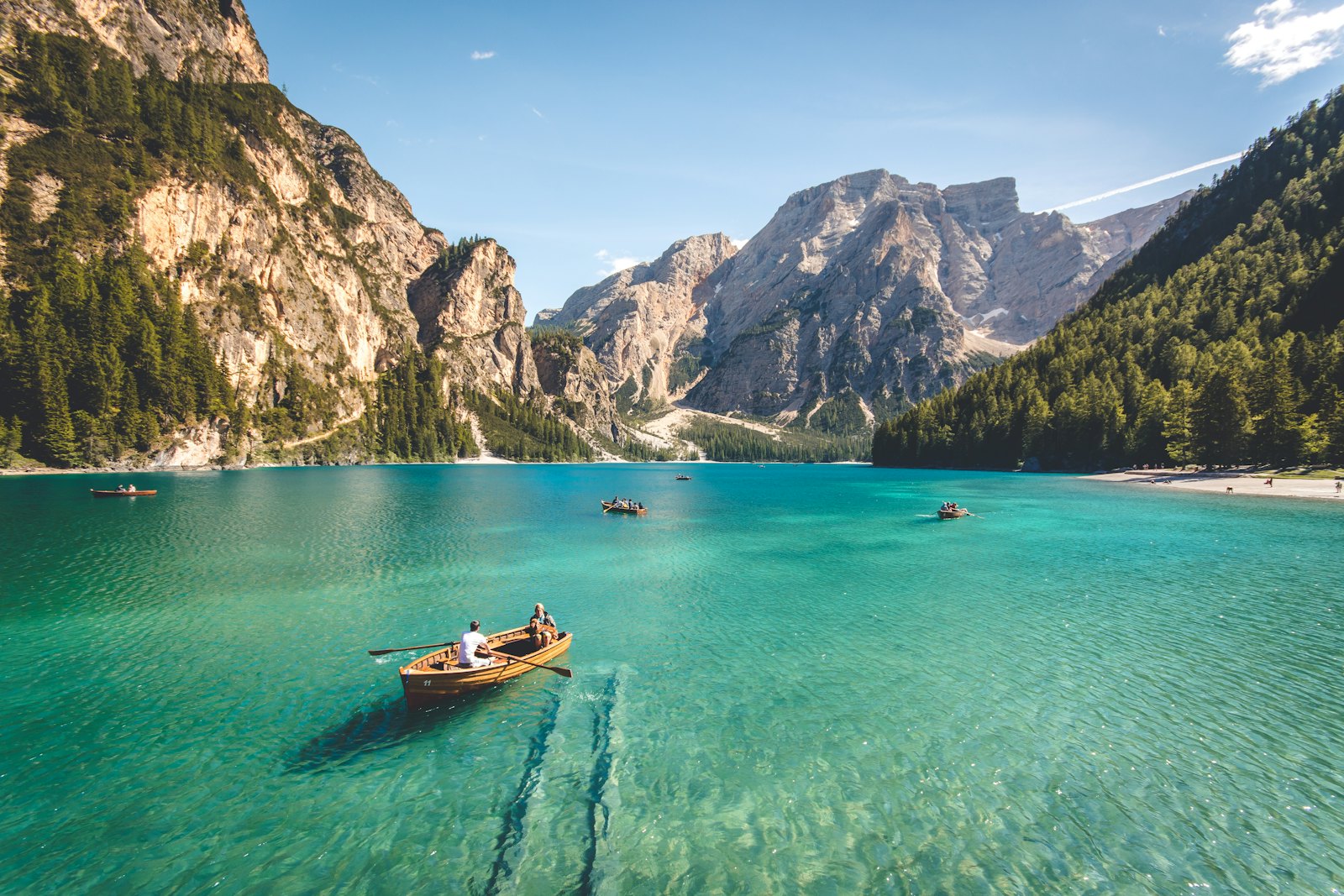
Everyone does Lisbon, Sintra, Porto, then the Algarve. Alentejo is what happens when you drive east and the landscape opens up. Cork trees, olive groves, whitewashed villages, slow heat, and that feeling of space that makes you unclench your jaw.
It’s romantic in a quiet, grounded way. No performative romance.
Why it works
- It’s spacious and rural
- Towns are pretty, but not overrun
- You can find private estates and guesthouses with real privacy
- Even in summer, it feels less frantic than coastal Portugal
Best months: April, May, late September, October
Crowd risk: low
4) Asturias, Spain (green coast, moody skies, very few influencers)
Spain has quiet places. They’re just not the ones people shout about.
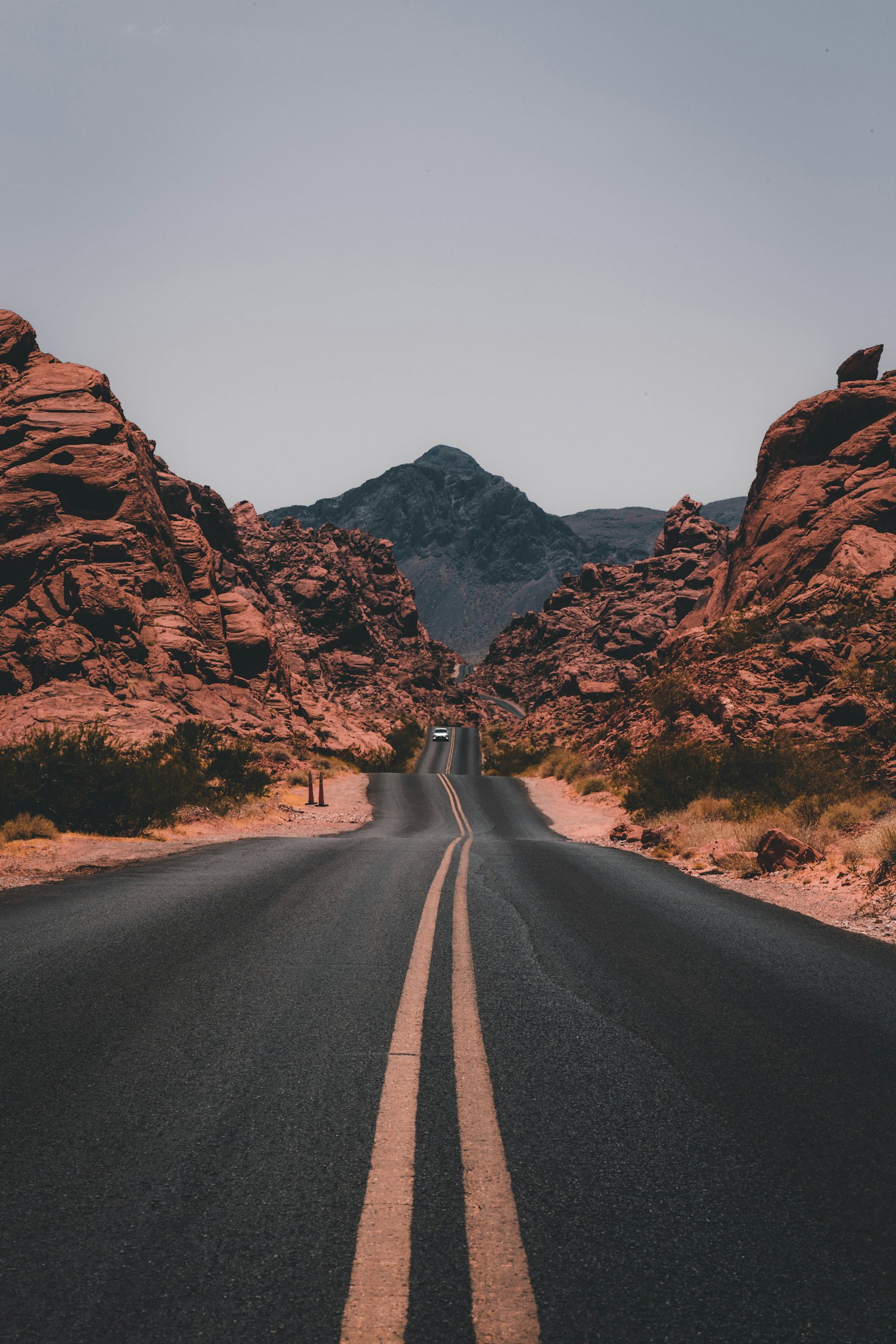
Asturias is in the north, along the Atlantic. Green hills, rugged coastline, fishing villages, mountains inland. It feels a bit like Ireland and a bit like Spain, which is a strange but excellent combo.
You can do cliffside vows with actual wind and actual silence, then eat insanely good food afterward. Without a reservation battle.
Why it works
- Less tourist traffic than Basque Country or Galicia hotspots
- Wild beaches where you can be alone
- Mountain villages that feel untouched
Best months: May, June, September
Crowd risk: low
5) Slovenia, but not Lake Bled (go west, go south, go slower)
Slovenia got popular, fast. Lake Bled is lovely, but it’s not quiet. Not anymore.
The good news is Slovenia is small, and the moment you move away from the headline spots, it calms down. A lot.
Look at:
- Goriška Brda (vineyard hills near Italy, very romantic)
- Karst region (stone villages, caves, wine cellars)
- Soča Valley (go off-peak and avoid midday, it’s magic)
Why it works
- The country is built for road trips and small stays
- Plenty of boutique farms and guesthouses
- Landscapes change quickly, so you can find your own pocket of quiet
Best months: May, early June, late September
Crowd risk: medium in peak summer, low off-season
6) The Azores, Portugal (if you want dramatic nature without the drama of crowds)
The Azores feel like a different planet. Green volcanic lakes, hydrangeas, black sand, hot springs, fog that rolls in and out like it has its own schedule.
There are tourists, sure. But it’s not the kind of tourism where you’re pressed up against strangers at every viewpoint. Especially if you pick one island and stay put.
Why it works
- Nature is the main event, not cities
- Plenty of quiet trails and overlooks
- Weather keeps things… honest. Which weirdly helps keep crowds away.
Best months: May, June, September
Crowd risk: low to medium, depends on island
7) Umbria, Italy (Tuscany’s quieter, less polished sibling)
Tuscany is beautiful, obviously. Tuscany is also busy, expensive, and in some areas, kind of exhausting.
Umbria has the same bones. Hills, vineyards, medieval towns. It’s just calmer and a bit less curated. In a good way. Like you can still stumble into a town festival that feels local.
Why it works
- Still stunning, but less international-tour-bus energy
- Lots of small agriturismi that can host an intimate ceremony
- Food is ridiculous, in the best way
Best months: May, early June, late September, October
Crowd risk: medium in popular towns, low outside them

8) The Scottish Highlands, but do it midweek and skip the famous stops
Scotland is not a secret. But it’s still possible to elope there without crowds if you approach it like a person who hates crowds.
That means:
- Avoid peak July and August
- Avoid the midday rush at the classic photo stops
- Pick a base in a quieter area and drive early
The Highlands can feel genuinely empty in the right moment. Like you’re the only two people on earth. Then the clouds move and it’s all cinematic.
Why it works
- Big landscapes swallow people up
- Endless quiet roads and lochs
- Plenty of small inns and private rentals
Best months: May, September, October
Crowd risk: medium in summer, low off-peak
9) The Peloponnese, Greece (Greece without the Santorini squeeze)
Santorini is… a lot. Mykonos too. Even parts of Crete are getting slammed.
The Peloponnese is different. It’s big, historic, coastal, mountainous, and full of places where you can stand by the sea and not hear anyone else.
Look around:
- Mani Peninsula (wild, rugged, stone villages)
- Nafplio area (romantic, but go shoulder season)
- Inland mountain villages if you want cool air and quiet nights
Why it works
- More spread out, less funneling into one hotspot
- Easy to combine sea and mountains
- Feels deeply Greek, not just tourism-Greek
Best months: May, June, September
Crowd risk: low to medium
10) Romania, Transylvania (yes, really)
Transylvania is not just a Dracula punchline. It’s forests, mist, fortified churches, mountains, and villages where time moves differently.
For an elopement, it can feel intimate and storybook without the performative luxury vibe. Also. It’s affordable compared to Western Europe.
Why it works
- Less international tourism in many areas
- Big nature, quiet roads
- Unique architecture and atmosphere
Best months: May, June, September
Crowd risk: low
If you’re stuck between a few options, ask yourselves these three questions.
1) Do we want nature quiet or village quiet?
Nature quiet means cliffs, lakes, forests, weather. Village quiet means wine, food, stone streets, long dinners.
Both are valid. They’re just different moods.
2) Are we okay renting a car?
A lot of the best crowd-free elopement locations require a car. Not because they’re remote, but because trains and tours concentrate people into the same corridors.
If you hate crowds, a car is basically a cheat code.
3) Do we want to host anyone?
If it’s just the two of you, you can be flexible. If you’re bringing 6 to 20 people, you’ll probably want a place that can accommodate you all on site, otherwise you end up coordinating shuttles and check-ins and suddenly it’s not peaceful anymore.
That’s where private estates can be perfect.
Like, if the dream is “we wake up, have coffee together, get married in the garden, eat, drink, sleep, done.” You want a venue that can be privatized. No random guests wandering by.
(Again, Domaine de Vavril is exactly that kind of setup in Beaujolais: https://vavril.fr.)
Here’s a structure that tends to work really well if you want calm.
Day 1: Arrive, do nothing important
Check in. Walk somewhere. Eat. Early night. No pressure.
Day 2: Ceremony day
Morning slow.
Late afternoon vows when light is good and day-trippers are gone.
Dinner somewhere private, or on site if you can.
Day 3: The actual celebration day
This sounds backwards but it’s not.
The day after the ceremony is when you’re relaxed. That’s when you do the vineyard tasting, the long lunch, the photos, the hiking, whatever feels like you.
Then you leave without feeling like you sprinted through your own wedding.
It’s not just about location. It’s also about how you do it.
You can make a quiet place feel busy by scheduling everything at the same time as everyone else. And you can make a popular place feel quiet by doing it early, midweek, and off-season.
But if you want the highest odds of a genuinely peaceful experience. Pick regions that are naturally low-hype.
That’s why I keep coming back to places like Beaujolais. It’s romantic, it’s accessible, it’s not a circus.
If you’re currently planning and you want an elopement that feels private but still comfortable, with space to host a small group and stay on site, start by looking at Domaine de Vavril here: https://vavril.fr. Even just browsing the photos and virtual tour can help you figure out what kind of atmosphere you actually want.
Because that’s the whole point. Atmosphere over landmarks. Quiet over crowds. You two over the rest of the world.
FAQs (Frequently Asked Questions)
What are the benefits of eloping in Europe away from popular tourist spots?
Eloping in less crowded European locations offers a private, serene ceremony without the chaos of big city centers or tourist hotspots. It allows couples to enjoy real scenery, intimate moments, and a relaxed atmosphere where they can truly breathe and connect.
When is the best time to elope in Europe to avoid crowds?
The ideal times are during the shoulder seasons: late April, May, early June, late September, and October. Avoiding weekends near famous viewpoints also helps minimize crowds and ensures a peaceful experience.
How can couples ensure their European elopement feels private and calm?
Choosing one base location and staying put for several days helps maintain quietness. Selecting places that are slightly inconvenient or under-hyped reduces tourist presence. Building in time and space rather than rushing through multiple spots enhances privacy.
What makes Beaujolais, France a great elopement destination?
Beaujolais offers rolling vineyard hills, stone villages, and golden evening light without the heavy tourist traffic found in Provence or the Riviera. It features private estates like Domaine de Vavril for intimate ceremonies with low crowd risk during May, June, September, and October.
Why is the Jura region in France recommended for nature-loving couples?
The Jura provides forest silence, mountain edges, waterfalls, lakes, and cliffs with fewer tourists compared to Alpine areas. It’s perfect for couples seeking a boots-and-pine-trees vibe with genuinely private vow locations during May, June, or September.
What unique qualities does Alentejo, Portugal offer for elopements?
Alentejo boasts wide open spaces with cork trees, olive groves, whitewashed villages, and a slow-paced romantic atmosphere away from busy coastal areas. Even in summer it remains less hectic than Lisbon or the Algarve, making it ideal for private estates and guesthouses.