
How to Handle Every Dietary Restriction at a Destination Wedding in France
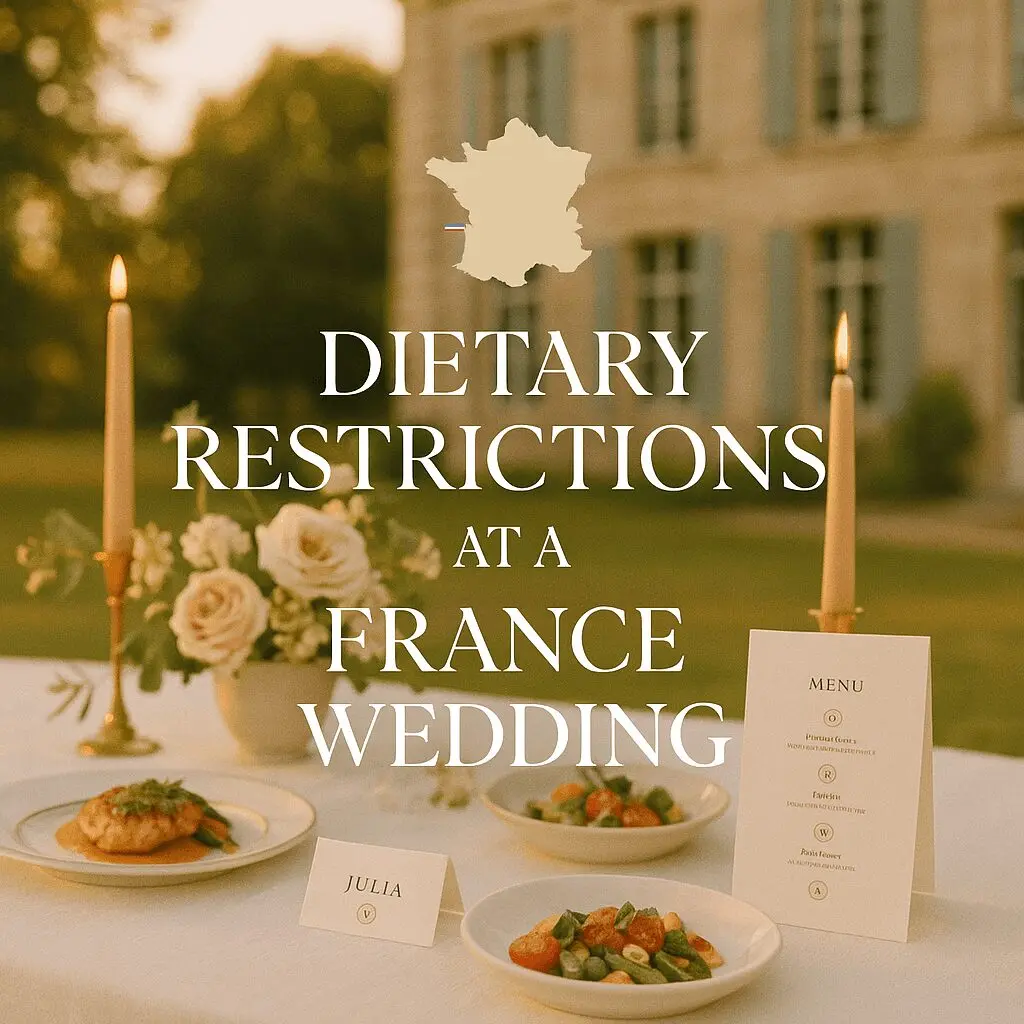
Planning a destination wedding in France is supposed to feel romantic. A little cinematic. Vineyards, long tables, bread that tastes unfairly good.
And then you open your guest list and realize you have… gluten free, dairy free, vegan, vegetarian, halal, kosher style requests, no pork, no shellfish, nut allergies, onion intolerance, low FODMAP, diabetes friendly, pregnancy restrictions, and one guest who is “fine with anything as long as it’s not mushrooms.”
Cool. Still romantic. Just… more spreadsheets.
The good news is this is absolutely doable in France, and it can still feel elevated and very French. You just need a system. Not vibes. A system.
If you are hosting in a place that already does weddings all the time and works with experienced caterers, it gets way easier. For instance, venues like Domaine de Vavril in the Beaujolais literally handle this kind of thing constantly.
A quick truth about France (and food)
French catering is often very adaptable but the communication needs to be clear and early.
Some international guests assume French weddings are automatically rigid. Like, “It’s France, they’ll serve foie gras and you’ll like it.” Not really. Modern wedding catering teams are used to dietary needs. They just do not love last minute surprises or vague requests like “clean eating.”
So we’re going to avoid that.
While planning your intimate French vineyard wedding from America or comparing wedding packages between France and Italy for a weekend elopement, remember that personalizing your wedding ceremony in the French countryside can significantly enhance the experience. It’s essential to understand the differences between authentic and commercial French wedding venues which can greatly impact your budget as well – for more insights on this you can check out our complete budget guide on French vineyard wedding costs.
Step 1: Collect dietary info the right way (and early)
Avoid gathering dietary information in a group chat as it can lead to missed details. Someone might reply with a voice note, or one may say “no allergies” only to later reveal they are celiac.
Instead, utilize your RSVP form for a more organized approach. Digital forms are the easiest to manage.
What to ask, specifically:
- Dietary preference (vegetarian, vegan, pescatarian)
- Religious requirements (halal, kosher style, no pork, no alcohol in cooking)
- Allergies (nuts, shellfish, eggs, dairy, etc.)
- Intolerances (gluten, lactose, onions, garlic, etc.)
- Severity level: preference / intolerance / allergy / anaphylaxis
- Notes box for anything unusual
And add one line that helps you manage expectations:
“We’ll do our best to accommodate all needs. If your restriction is severe, please share details so the caterer can prevent cross contact.”
That sentence alone avoids so much confusion later.
Step 2: Group restrictions into “menus,” not individual chaos
A common mistake people make is treating every restriction as a unique custom meal. This often leads to complications.
Instead, aim for a small number of well designed variants.
A very workable structure could be:
- Standard menu
- Vegetarian (often also works for many religious needs)
- Vegan
- Gluten free
- Allergen free plate (for severe allergies, handled separately)
Sometimes gluten free overlaps with vegan, sometimes not. That’s okay. The goal is: your caterer is producing a controlled set of plates they can execute calmly.
While managing dietary restrictions may seem challenging, it’s essential to remember that these efforts contribute significantly to creating a memorable experience for your guests. Just like in vineyard wedding photography, where every detail matters in capturing the perfect shot, each dietary preference is a vital part of the overall event experience.
Step 3: Choose a serving style that makes restrictions easier
Some formats are just friendlier.
Plated dinner
Best for severe allergies and exact control. Everyone gets the right plate, labeled, served intentionally.
Family style
Pretty, warm, very French vibe. But harder for cross contact. Still possible if dishes are clearly separated and staff are trained.
Buffet
Works fine for preferences (vegetarian, no pork). Riskier for allergies unless you add strong labeling and staff supervision.
Cocktail reception (passed canapés + stations)
Honestly great, if done smart. You can create separate vegan/gluten free bites that feel like part of the party, not an afterthought.
If you have multiple serious allergies, plated is usually the safest call.
The big list: How to handle each restriction without losing your mind
Let’s go one by one. Some of these overlap, but I’m keeping it practical.
Vegetarian
This is usually the easiest.
What to do:
- Make the vegetarian option feel intentional, not like “pasta and sadness”
- Use seasonal French produce, cheese if allowed, eggs if allowed
Easy French leaning ideas:
- Mushroom and chestnut risotto (unless mushroom hater is loud, which they always are)
- Goat cheese tart with herbs and greens
- Ratatouille with polenta and a real sauce
Key question to ask guests: Do you eat fish? Some “vegetarians” do, some don’t.
Vegan
Vegan menus in France have improved a lot. Still, you want to plan it, not improvise it.
What to watch for:
- Butter hidden everywhere
- Cream in soups
- Honey in dressings
- Gelatin in desserts
Good vegan options that still feel wedding level:
- Roasted vegetable mille feuille with herb oil
- Lentil and root vegetable cassoulet style dish (without meat, obviously)
- Citrus and berry desserts, sorbets, almond based creams (if no nut allergies)
If you have both vegan and nut allergy guests, tell your caterer early. Vegan desserts often rely on nuts.
Choosing the Right Season for Your Wedding
When planning your wedding or event in Beaujolais, consider how to choose the right season for your specific needs. Each season offers unique advantages that can enhance your celebration.
Rustic Vineyard Wedding Decor Ideas
For those considering a rustic theme at their vineyard wedding venue, there are numerous rustic vineyard wedding decor ideas that can be implemented. From natural centerpieces to charming signage, these ideas will help create a warm and inviting atmosphere.
Sustainable Wedding Venues
If sustainability is a priority for your wedding planning, look into sustainable wedding venues in French vineyards. These venues often incorporate eco-friendly practices while providing beautiful settings for your special day.
Fairytale Wedding Venues
For those dreaming of a fairytale wedding, there are several stunning [wedding venues in French vineyards](https://vavril.fr/en/fairytale-wedding-venues-french-vine
Gluten free (including celiac)
This one needs clarity because “gluten free preference” and “celiac” are not the same operationally. For guests with celiac disease, here are some guidelines to follow:
- Separate prep surfaces if possible
- Dedicated utensils
- Avoid flour in the air (yes, even that can matter in some kitchens)
- Confirm sauces, stocks, and spice mixes
Common French gluten traps include:
- Bread crumbs on everything
- Sauces thickened with flour
- Some mustards, some vinegars, some processed meats
A smart approach would be to choose naturally gluten free dishes rather than “gluten free versions” and skip the bread course pressure. Nobody needs it.
Dairy free / lactose intolerant
Dairy is a big deal in French cuisine. But it’s still manageable. It’s important to note that lactose intolerance usually means small amounts may be okay but don’t guess. Ask about:
- Butter in vegetables
- Cream in sauces
- Milk powder in bread and desserts
Easy swaps can be made such as using olive oil instead of butter, tomato or herb based sauces instead of cream sauces, and opting for sorbet as a dessert option.
Nut allergies (including peanuts)
This is one of the big safety ones. If you have guests with nut allergies, it’s crucial to inform the caterer if it is airborne or contact sensitive. Avoid “cute” open bowls of nuts at cocktail hour and watch for pesto, praline, frangipane, macarons, and nut oils.
If you have a severe nut allergy guest, consider making the entire wedding nut free. It’s often easier than trying to control cross contact in a celebration environment.
While managing dietary restrictions is crucial, it’s equally important to ensure that your wedding menu pairs well with your chosen wines. For an insightful guide on how to effectively pair French wine with your wedding menu, check out this comprehensive resource.
Additionally, planning a wedding can be overwhelming, especially when you’re trying to accommodate various dietary needs. This is where hiring a professional comes into play. You might wonder – is hiring a French wedding planner really worth it? Explore this article to understand the benefits of having an expert handle your wedding arrangements.
Shellfish / fish allergies
Shellfish is a classic cocktail hour flex in France. Oysters. Shrimp. Little crab things.
If anyone has an anaphylactic shellfish allergy:
- Avoid seafood stations where people touch everything
- Avoid shared fryers (calamari, etc.)
- Keep fish and shellfish prep separate
If it is a mild intolerance, you can often just provide alternatives. But for severe allergy, treat it seriously. Staff needs to know.
Egg allergies
Egg shows up in:
- Mayo based sauces
- Many pastries
- Some glazes
- Some pasta
If you are doing a classic French dessert table, make sure there is a safe option. Sorbet and fruit based desserts are your friend.
Halal
A lot of couples overcomplicate this. You don’t need to recreate an entire halal butcher supply chain if your guest count is small.
Options that work well:
- Serve halal certified meat if available through your caterer
- Or choose fish/vegetarian mains as the default, with halal meat as an optional add on
- Avoid alcohol in cooking for halal guests if requested (wine reductions are common in French sauces)
Ask your guests:
- Is halal meat required, or is avoiding pork and alcohol enough? Different families have different standards.
Kosher / kosher style
Strict kosher catering is possible in France but can be complex and expensive, and often requires certified kitchens and supervision.
What many couples do instead:
- Provide kosher style meals that avoid pork, shellfish, mixing meat and dairy, and use packaged certified items when needed
- Offer a sealed kosher meal from a certified provider for guests who require strict kosher
Be very transparent:
- “We can offer kosher style accommodations” or “We are providing sealed kosher meals”
Don’t promise “kosher” unless it truly is.
While planning your wedding or event in France, it’s crucial to consider these dietary restrictions seriously. Avoiding common mistakes when booking an exclusive-use venue can help ensure that all guests’ needs are met while enjoying the festivities.
No pork (cultural, religious, personal)
This is common. And easy.
Just make sure:
- Charcuterie boards are clearly labeled
- Lardons in salads or vegetables are identified (they sneak in)
- Soups and stocks are checked
A simple move: avoid pork as the “hidden ingredient” and use it only if clearly served as pork.
Low FODMAP / IBS / onion and garlic intolerance
This one can be surprisingly hard because French cooking loves onion and garlic.
What helps:
- Create a simple plated variant: plain protein, potatoes or rice, cooked vegetables without onion/garlic, sauce on the side
- Don’t try to make it “fancy.” Make it safe and clean
And yes, ask the guest what their actual triggers are. Low FODMAP is broad.
Diabetes friendly / low sugar
You don’t need to design a “diabetic meal,” but you can be thoughtful.
Good practices:
- Offer dessert options that are not only sugar bombs (fruit, cheese course, smaller portions)
- Have sugar free mixers available if there is an open bar
- Don’t make every non alcoholic option a syrup drink
Pregnancy restrictions
If you have pregnant guests, the main issues tend to be:
- Raw milk cheeses (some avoid, some are okay if pasteurized)
- Raw/undercooked meats and fish
- Alcohol in desserts
Easiest fix:
- Make sure there is at least one fully cooked, pasteurized friendly path through the meal.
Kids meals (not a restriction, but it behaves like one)
Kids are basically a dietary category.
If you do not plan this, your vegan meal will be eaten by a picky seven year old, and your vegan guest will stare into space.
So, decide:
- A kids plate (simple pasta with tomato sauce, chicken, vegetables, fruit)
- Serve earlier if possible
Step 4: Labeling and communication on the day (quietly, not like a hospital)
You can keep it elegant.
Ideas:
- Place cards with small icons (V, VG, GF) discreetly on escort cards
- Staff with a seating plan that includes dietary notes
- A short printed menu that notes allergens for buffet items
For cocktails:
- Use tray identifiers (little flags, or staff briefed to say “this one is gluten free”)
The goal is that guests don’t have to explain themselves five times.
Step 5: Don’t forget drinks
Dietary restrictions show up at the bar too.
Things to consider:
- A non alcoholic option that feels grown up
- Gluten free beer if needed
- Clear labeling for any nut based cocktails
- A plan for halal guests who prefer no alcohol exposure, like separate mocktail station
And if you are in wine country, you will want good wine. Obviously. But still, offer a thoughtful non alcoholic option.
If you’re considering a sustainable wedding at a luxury estate, don’t forget to incorporate wine tours for your wedding guests. You might also want to incorporate wine tastings into your wedding weekend or explore guest activities and entertainment options in wine country.
Step 6: Work with a venue and caterers who have done this before
This is where destination weddings can either feel smooth… or slightly panicked.
A venue that regularly hosts weddings will usually have:
- Partner caterers who understand international expectations
- Staff used to managing bilingual guest lists
- Real experience with allergies and menu variants
- Kitchens and service flow that can handle multiple plates without confusion
If you’re getting married in the Beaujolais, Domaine de Vavril is the kind of place where this is part of the job. You can privatize the domaine, host guests on site, and coordinate with their wedding ecosystem instead of building everything from scratch in a foreign country. They also provide valuable resources such as an ultimate checklist for organizing a destination wedding in Beaujolais, which can greatly simplify your planning process.
If you’re at the early planning stage, it’s worth browsing their site and sending a message with your dates and rough guest count. Even just to see what’s possible.
A simple timeline (so you don’t end up chasing this at midnight)
- 4 to 6 months out: collect dietary restrictions via RSVP
- 3 months out: send consolidated list to caterer and venue
- 6 to 8 weeks out: finalize menu variants, confirm severe allergy plan
- 2 weeks out: confirm seating plan notes, labeling approach
- Wedding week: remind key staff, assign one point person for dietary questions
Images to include (place these throughout your post)
Here are some relevant image ideas you can add to break up the article. If you have a photo library (or Domaine de Vavril photos), even better.
- Long table wedding dinner in a French vineyard or countryside setting
Alt text: Destination wedding dinner in France with long tables - Plated wedding meal with elegant French presentation
Alt text: Plated wedding menu in France for dietary restrictions - Wedding cocktail hour with labeled canapés
Alt text: Wedding canapés labeled gluten free and vegan - Cheese and fruit dessert alternative table
Alt text: French wedding dessert alternatives for guests with allergies - Aerial or exterior shot of a French wedding venue in Beaujolais (Domaine de Vavril if available)
Alt text: Domaine de Vavril wedding venue in Beaujolais France
Wrap up (because yes, you can feed everyone well)
Handling dietary restrictions at a destination wedding in France is mostly about planning early, grouping needs into a few menu variants, and choosing a service style that keeps things controlled.
And honestly, if you do it right, your guests won’t even notice you accommodated them. They’ll just notice they ate well, felt cared for, and didn’t have to awkwardly snack on plain lettuce all night.
If you’re considering a venue that has experience with multi-day weddings and is accustomed to catering to guests from different countries with varying food needs, you might want to explore the options at Domaine de Vavril. This venue is not only beautiful but also well-equipped to handle such unique requirements. The earlier you loop in the venue and catering team, the more calm this whole thing becomes. For tips on selecting the perfect wedding venue abroad, check out this useful guide on how to choose the perfect wedding venue abroad.
FAQs (Frequently Asked Questions)
How can I effectively manage diverse dietary restrictions for a destination wedding in France?
To manage diverse dietary restrictions at your French destination wedding, collect detailed dietary information early through RSVP forms, grouping restrictions into a small number of well-designed menu variants (like standard, vegetarian, vegan, gluten-free, and allergen-free), and choose a serving style that accommodates these needs effectively—such as plated dinners for severe allergies or cocktail receptions with clearly labeled options.
What are the best ways to collect dietary requirements from wedding guests?
Avoid informal methods like group chats which can lead to missed or unclear information. Instead, use digital RSVP forms that ask specifically about dietary preferences (vegetarian, vegan), religious requirements (halal, kosher), allergies (nuts, shellfish), intolerances (gluten, lactose), severity levels, and provide a notes section for unusual requests. Include a line managing expectations about accommodation to ensure clarity.
Are French catering services adaptable to various dietary needs for weddings?
Yes, modern French wedding caterers are very adaptable and experienced in handling diverse dietary requirements including gluten-free, vegan, halal, kosher style, and allergy-friendly meals. However, clear and early communication is essential to avoid last-minute surprises or vague requests that can complicate catering.
What serving styles work best for accommodating food allergies and preferences at weddings?
Plated dinners offer the most control and safety for guests with severe allergies by providing individually labeled plates. Family-style can work if dishes are clearly separated and staff trained. Buffets require strong labeling and supervision to reduce cross-contact risks. Cocktail receptions with passed canapés and stations can creatively include separate vegan or gluten-free bites but need smart planning.
How should I design menus to accommodate multiple dietary restrictions without chaos?
Instead of creating unique custom meals for every restriction, design a controlled set of menu variants such as standard, vegetarian (often suitable for many religious needs), vegan, gluten-free, and an allergen-free plate for severe allergies. This approach helps caterers execute meals calmly while ensuring all guests’ needs are met elegantly.
What are some French-inspired vegetarian dishes suitable for weddings?
To make vegetarian options feel intentional and delicious at your French wedding, consider seasonal produce-based dishes like mushroom and chestnut risotto (unless mushrooms are disliked), goat cheese tart with herbs and greens, or ratatouille served with polenta and a rich sauce. These highlight authentic French flavors while accommodating vegetarian diets.