
Indian Destination Wedding in France: A Fusion Celebration Guide at a Wine Estate
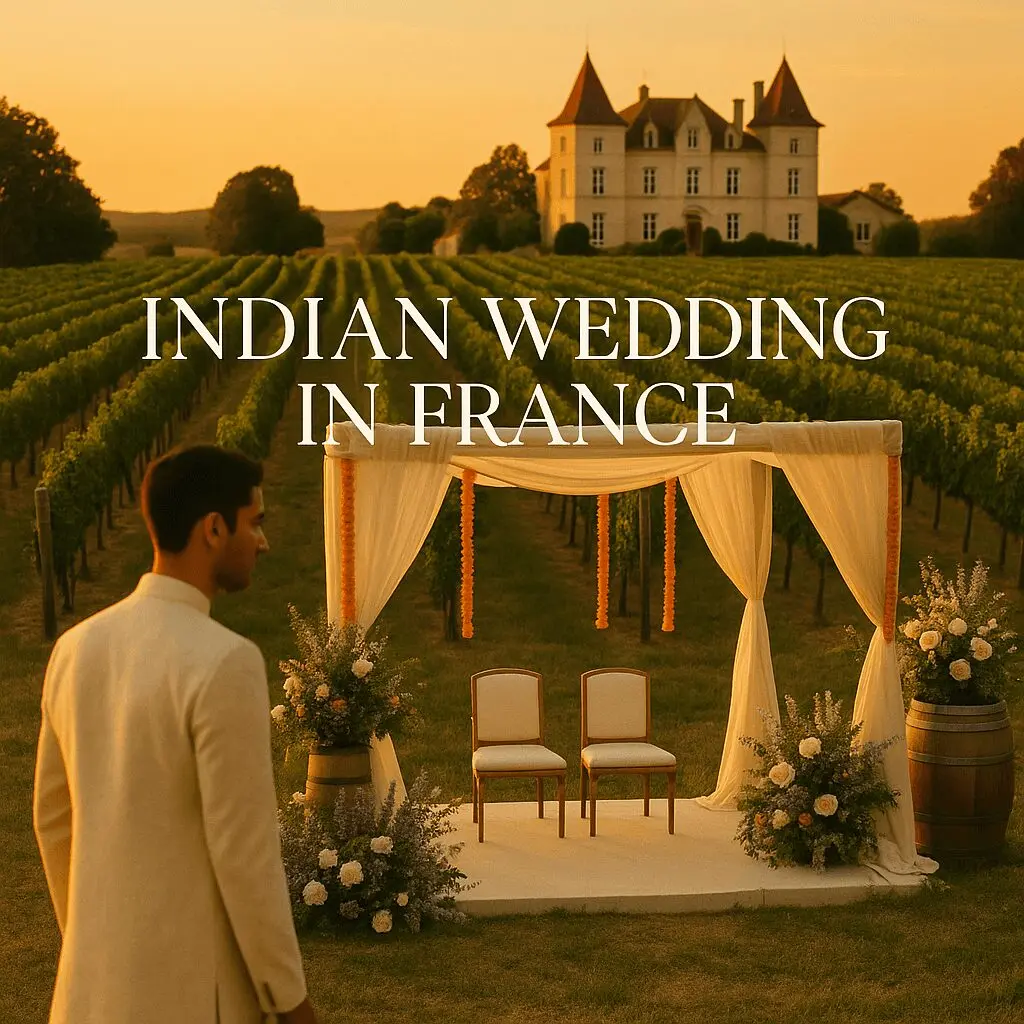
There’s a specific kind of magic that happens when you take an Indian wedding and drop it somewhere unexpected. Not in a ballroom. Not in the same banquet lawn you’ve seen a hundred times.
But in the French countryside, on a real wine estate like Domaine de Vavril (Vavril), with stone walls that actually have history, long sunset dinners, and that quiet, slow feeling you only get when everyone is staying together for a few days.
That’s the vibe.
And if you’re considering an Indian destination wedding in France, this is the guide I wish someone handed me at the start. It covers the cultural pieces, the practical stuff people often forget, how to make it feel Indian while still embracing the essence of France, and how a place like Vavril can encapsulate the entire experience in one private, beautifully contained bubble.
You’ll see a lot of “chateau wedding France” content online. Some of it is gorgeous, sure. But an Indian wedding has its own needs. Space. Flow. Sound. Food logistics. Multiple events. People wandering in and out. Late nights. Early mornings. And the right venue makes the difference between a dream and a very expensive headache.
So let’s talk about doing it properly.

Why France works so well for an Indian destination wedding (yes, really)
At first glance, it’s not the obvious pick. People assume Italy, Spain, maybe Portugal.
But France has a few things going for it that are kind of perfect for Indian weddings:
- The food culture is already obsessed with long meals. That helps when you’re hosting multi-hour dinners, welcome feasts, post ceremony lunches, all of it.
- Countryside estates are built for private stays which is basically what an Indian wedding is – a temporary mini village.
- There’s built-in romance. Even the air feels cinematic in parts of rural France.
- France is accessible for international guests. Especially if your group is coming from the UK, Europe, Middle East, US or India via Paris or Lyon.
Now, the main trick is choosing the right region. Paris is iconic but not practical. The South of France is stunning but often crowded and pricey in peak season.
Beaujolais though? Quiet. Green. Rolling hills. Wine country – perfect for small luxury weddings. And close to Lyon which matters more than you think when aunties and cousins start landing at different times.
To ensure everything goes smoothly during your destination wedding planning from Lyon to your vineyard venue like Vavril, check out this ultimate checklist.
What “fusion” actually means (and what it does NOT mean)
Fusion does not mean watering down the wedding until it’s a vague Pinterest moodboard.
It means you keep the soul of an Indian wedding. The rituals. The joy. The music. The outfits. The color.
And you let France elevate the in between moments.
Like:
- Sangeet night that turns into a candlelit terrace party with Beaujolais reds on the table, which you can learn more about how to choose the right season for your Beaujolais wedding or event.
- A haldi in the garden, then everyone jumps in the heated pool after, because why not.
- A French cheese and charcuterie hour for guests arriving early, followed by full Indian dinner later.
- Baraat on a gravel path lined with vines and old stone.
It’s not either or. It’s both. And it’s better when you commit to that.
Start with the venue: why an estate beats a hotel for multi-day Indian weddings
If you’re planning more than one event (you are), then you want a venue that can handle:
- multiple setups without chaos
- late night music without angry neighbors
- onsite accommodation so the “logistics” don’t eat your soul
- indoor backup options that don’t feel like a downgrade
- enough space for mehndi, haldi, ceremony, cocktail hour, reception, brunch
This is where a fully privatized estate is the cheat code, as the benefits of estate-style weddings versus traditional venues clearly illustrate.
Domaine de Vavril (Vavril) as a real example
Vavril, a countryside estate in the Beaujolais area near Beaujeu, offers full privatization for multi-day wedding stays, making it an ideal venue for Indian weddings.
Here are some specifics that matter for such weddings:
- A stone reception hall that can host around 150 guests
- Gardens and outdoor areas perfect for daytime ceremonies and pre-wedding events
- A heated pool which becomes a highlight during recovery brunches
- Onsite accommodation for up to around 41 people, which is substantial for close family and bridal party
- The vineyard side of the property showcases a real wine heritage, not just “wine aesthetic”
To get a feel for the spaces and the wedding vibe, you can start exploring here.
It’s important to note that venues like this do more than just rent you a room. You’re essentially taking over a private world for a few days. This exclusivity enhances the guest experience, making it feel intimate and luxurious in the best way.
A simple 3 day Indian wedding itinerary that actually works in France
While it’s possible to condense the celebrations into two days, three days is the sweet spot for a destination wedding. This duration allows guests ample time to travel and settle in while also providing necessary setup time.
Here’s a structure that works well on a wine estate like Vavril:
Day 1: Arrivals + Welcome Evening (keep it light but special)
- Guests arrive and check in
- Casual drinks, estate tour, vineyard walk – a perfect introduction to the venue
- Welcome dinner: could be Indo-French or fully Indian, your call
- Early night for anyone jetlagged, late night for the cousins
Pro tip: This is where you introduce the wine. Incorporating a small tasting moment makes it feel rooted in place.
Day 2: Haldi + Mehndi + Sangeet (color, chaos, joy)
Morning / midday
- Haldi outdoors in the gardens
- Lunch buffet style, keep it easy
Afternoon
- Mehndi stations, music, pool time, photos
- A corner for chai and snacks. People miss this abroad more than they admit.
Evening
- Sangeet in the hall or outside depending on weather
- Keep the playlist a mix. Bollywood obviously. But also add a few French party classics. It’s fun watching everyone lose it to “Alors on danse” at 1am.
Day 3: Wedding Ceremony + Reception (the main event)
Morning
- Getting ready onsite
- Baarat, milni, ceremony
Golden hour
- Cocktail hour with French passed bites and Indian elements (chaat counter is always a hit)
- Photos in vineyards, gardens, stone backdrops
Night
- Reception dinner, speeches, dancing
- Late night snacks. Please don’t skip late night snacks.
Day 4 (optional): Recovery Brunch
If you can add it, add it. Guests love it.
- Brunch spread
- Pool time
- Soft music, sunglasses, everyone finally exhaling
Food: the biggest stress point, and how to make it smooth
Indian wedding food in France is completely doable, but you need to plan it with intention. Choosing a French vineyard over a château wedding can offer a unique and memorable experience. These venues not only provide stunning backdrops but also have sustainable wedding options which are becoming increasingly popular. If you’re looking for fairytale wedding venues that combine beauty and sustainability, French vineyards should be at the top of your list.
Option A: Bring an Indian caterer (common for big weddings)
If food authenticity is non-negotiable, consider bringing an Indian wedding caterer who can travel. Many now do Europe circuits.
You’ll need to confirm:
- kitchen facilities onsite
- equipment rental (tandoor, large pots, burners)
- ingredient sourcing in France (some things you can get in Lyon, some you import)
Option B: Work with local caterers and add Indian elements (best for fusion)
This can be beautiful when done right. Think:
- French cocktail hour with Indian street food stations
- A French plated starter, then Indian family style mains
- Dessert table that mixes mithai with French pastries
Don’t forget the basics people crave
- proper chai
- familiar snacks between events
- vegetarian heavy menus (most groups need this)
- clear labeling for allergens and spice levels
And yes, people will ask “is it spicy” even if they eat mirchi daily. Just smile.
Décor and styling: let France do some of the work
One mistake people make is over-decorating in Europe. If you’re on a stone estate with vineyards and gardens, you don’t need to build a whole artificial world. You just need to add Indian color in the right places.
Good fusion styling ideas:
- Marigolds with wild French florals
- Terracotta, saffron, fuchsia against neutral stone walls
- Brass elements on long rustic tables
- A mandap that feels airy, not heavy. Think fabric, flowers, wood.
Also, lighting is crucial. The French countryside at night gets dark dark. You want:
- fairy lights in courtyards
- candles on tables
- warm uplighting in the hall
It changes everything.
For those considering a more intimate setting or looking for micro-weddings in French vineyards, remember that these locations often provide stunning backdrops that require minimal decoration. Similarly, if you’re planning a spring wedding in the French wine country, the natural beauty of the surroundings can significantly enhance your wedding experience.
When it comes to personalizing your wedding ceremony, the French countryside offers numerous options that can make your event truly unique. For those planning their wedding from abroad, here’s a guide on how to plan your intimate French vineyard wedding from America.
Music and sound: what you need to check before you sign anything
Indian weddings are loud. Joyfully loud. Dhol, DJ, singers, speeches, all of it.
So when you’re choosing an estate, confirm:
- noise allowances and cut off times
- where the dancefloor will be (indoors vs outdoors)
- power supply for sound equipment
- vendor access for setup
At a place designed for weddings and privatized stays, this is typically smoother. Still, ask early. Don’t assume. It’s advisable to plan vendor networks in advance to facilitate smoother arrangements.
Legal ceremony vs symbolic ceremony (keep it simple)
A lot of couples do the legal paperwork at home and have a symbolic ceremony in France. It’s easier and reduces admin pressure.
If you want a legally recognized wedding in France, it can be done, but it involves residency requirements and paperwork that varies by situation. Most destination couples skip the stress and focus on the celebration.
So ask yourself: do you want a legal process abroad, or do you want a wedding experience abroad?
For most people, it’s the second. Remember that wedding ceremonies can take various forms – legal or symbolic – and it’s essential to choose what suits your needs best.
Guest experience: the part people remember more than your centerpieces
A destination wedding is basically hosting. Constantly.
Small touches go a long way:
- a welcome note in rooms
- a simple schedule card for events
- a WhatsApp group for live updates
- a small “France kit” for guests: sunscreen, bug spray, mini water, painkillers
- transport guidance from Lyon or Paris
Also build in empty time. Seriously. Let people nap. Let them wander. Let them sit by the pool doing nothing. That’s when they fall in love with the trip.
Remember that the choice between an authentic versus commercial French wedding venue can greatly influence your overall experience.
Best season for an Indian wedding in French wine country
For Beaujolais and similar regions, the most comfortable months are usually:
- May to June: fresh, green, long evenings
- September: warm, golden light, harvest energy
- Early October: moodier, still gorgeous, a bit cooler at night
July and August can work, but it’s peak travel season, hotter, and generally busier.
If you’re doing multiple outdoor events like haldi and ceremony, aim for late spring or early autumn if you can.
Budget notes (not numbers, just real talk)
France can be as expensive or as reasonable as you make it. Understanding the French vineyard wedding costs is crucial to planning your budget effectively.
What changes the budget fastest:
- guest count
- number of events
- bringing vendors from abroad
- elaborate décor builds
- open bar and alcohol choices (wine estate weddings can be smart here, because wine becomes part of the venue story)
One thing that often makes estates cost effective overall is the onsite accommodation. When 30 to 40 key people stay in one place, you save a lot on transport and coordination. And you gain time, which is priceless during an Indian wedding.
A simple next step if you’re serious about this
If the idea is clicking for you, start by shortlisting venues that can handle full privatization, multi day stays, indoor and outdoor events, and onsite accommodation.
And if you want a wine estate setting in Beaujolais that’s already structured for private wedding takeovers, take a look at Domaine de Vavril (Vavril) here: Domaine de Vavril. They offer a complete guide to Beaujolais wine estate weddings, which could be very helpful.
Browse the photo galleries, the reception spaces, and the accommodation details. You’ll know pretty quickly if it matches the wedding you’re imagining.
In addition to the beautiful venue and perfect timing for your wedding in French wine country, it’s important to consider guest activities and entertainment. This could add an extra layer of enjoyment for your guests during their stay.
Moreover, understanding the Napa to Beaujolais transition could provide valuable insights into planning your wedding in this stunning region.
Final thought
An Indian wedding is already a universe. Bringing it to France doesn’t shrink it. It expands it.
You’re still doing the rituals, still dancing like it’s 3am in Delhi or Mumbai. Still crying during the vidaai. But now, there’s vineyard air in the background, and stone halls, and slow mornings after the madness. People remember that contrast.
Do it with a venue that can hold the scale and the emotion. Then let the rest be what it’s supposed to be.
A celebration. A little messy. Very beautiful. And honestly, hard to top.
FAQs (Frequently Asked Questions)
Why is France an ideal destination for an Indian wedding?
France offers unique advantages for Indian destination weddings such as a food culture that embraces long, multi-hour meals perfect for multiple events, countryside estates designed for private stays resembling a mini village, built-in romantic ambiance especially in rural areas, and accessibility for international guests from the UK, Europe, Middle East, US, or India via Paris or Lyon.
What makes Domaine de Vavril a suitable venue for multi-day Indian weddings?
Domaine de Vavril is a fully privatized French countryside estate in Beaujolais that can host around 150 guests with features essential for Indian weddings: a stone reception hall, expansive gardens for ceremonies and events, a heated pool ideal for recovery brunches, onsite accommodation for guests, indoor backup options, and enough space to manage multiple setups and late-night music without disturbances.
How can couples blend Indian wedding traditions with the French countryside vibe?
Fusion in this context means preserving the soul of an Indian wedding—the rituals, music, outfits, colors—while elevating the experience with French elements. Examples include hosting Sangeet nights as candlelit terrace parties with local Beaujolais wines, having haldi ceremonies in the garden followed by pool parties, offering French cheese and charcuterie before traditional Indian dinners, and conducting baraats along gravel paths lined with vines and historic stone walls.
Why should couples consider estate venues over hotels for Indian destination weddings in France?
Estate venues provide privacy and flexibility crucial for multi-day Indian weddings. They allow multiple event setups without chaos, late-night music without neighbor complaints, onsite accommodations to ease logistics and guest comfort, indoor backup spaces that maintain ambiance, and ample room to host diverse ceremonies like mehndi, haldi, cocktails, receptions, and brunches all within one contained location.
Which region in France is recommended for an Indian destination wedding and why?
The Beaujolais region is highly recommended due to its quiet green rolling hills and wine country charm that suits small luxury weddings. It is less crowded and more affordable than the South of France during peak season. Additionally, its proximity to Lyon makes it convenient for staggered guest arrivals from different locations.
What practical tips should couples keep in mind when planning an Indian destination wedding in France?
Couples should focus on choosing the right venue that accommodates the flow of multiple events with sufficient space and accommodations. Considering accessibility via major cities like Lyon or Paris is important. Planning around seasonal weather ensures comfort. Using checklists tailored for Beaujolais weddings helps manage logistics smoothly. Embracing fusion thoughtfully keeps cultural authenticity while incorporating French elegance.